In The Empathy Collection, cardiologist shares intimate portraits of patients

Dr. Howard Grill, a cardiologist from Greensburg, Pennsylvania, has been photographing and interviewing patients to share their stories and help bring doctors and patients closer together. The series of portraits and audio has become The Empathy Collection, which is on display on his website and in the lobbies of two sites of Excela Health.

Excela Square at Latrobe is an outpatient facility affiliated with Excela Latrobe Hospital. The Empathy Collection is exhibited there with beautiful black and white photographs of several of Dr. Grill’s patients, with buttons below each portrait that can be pressed for a recording of the patient sharing a bit of his or her life story. The Excela Latrobe Hospital was honored by the Gold Foundation in 2018 with the ACGME and Gold Foundation DeWitt (Bud) C. Baldwin, Jr. Award. The annual award, which was given to just two hospitals in the nation in 2018, recognizes health institutions that are exceptional at fostering a respectful and humanistic environment for resident physicians and throughout the hospital system. Read more about the 2018 Bud Baldwin Award.

Dr. Grill shares more about The Empathy Collection here:

How did this project begin?

Mr. Gerard E., a portrait by Dr. Howard Grill

Mr. Gerard E., a portrait by Dr. Howard Grill

About 8 years ago, I had a patient who had been a blister gunner on a bomber in WWII. A blister gunner was the person who sat in the clear bubble under the bomber’s wings with a machine gun. This particular man was also an artist and had been chosen to design and paint the insignia on the side of the bomber. When he discovered that I had a strong interest in fine art photography, we developed a friendship and he brought in his original drawings of the insignia and told me stories about his time in WWII.

He enjoyed talking to me about his time during the war so much that at one point I asked him if he would allow me to record his stories and perhaps take his picture. I was worried that he would say no, but, in fact, he was pleased with the idea!

I ended up scheduling him for a 45-minute appointment (back then you could do that) so that we would have the time we needed after his clinical visit.  I was very intrigued with the resulting photographs and audio, and in the back of my mind I thought that it would make an interesting project. But it remained in the back of my mind until I changed jobs and joined a healthcare system that was a bit more community focused.

By the time I decided to restart the project, medicine had changed quite a bit and I was a hospital-employed physician. For that reason, I had to get permission from the hospital administration to ask patients if I could record and photograph them. I was pleasantly surprised when they thought that the project was a really good idea and allowed me to move ahead with it.

Listen to Dr. Grill interview Mr. Gerard E.


Why do you believe it is so important to hear the patient’s story?

Mrs. Audrey S., a portrait by Dr. Howard Grill

Mrs. Audrey S., a portrait by Dr. Howard Grill

I don’t think I have to tell you that medicine has changed over the last several years, the result being that physicians have less time available to spend with their patients. I believe the doctor-patient relationship has suffered because of this and that there are fewer and fewer doctors that truly know their patients as “people” with the same ups and downs, life experiences, and “stories” as we doctors have.

That’s really too bad because I think that one of the joys of being any type of healthcare professional is to know the people that you care for in a way that goes beyond what disease they have. Plus, I think that once that type of more personal relationship is established, the medical aspect of the relationship improves as well.  Patients are then more apt to trust their doctor and better express both their symptoms and the concerns that they have regarding their condition. That makes it that much easier to provide quality care and to address and allay patients’ fears and concerns.


Listen to Dr. Grill interview Mrs. Audrey S.:


What is your hope for presenting this art, for those who see your photos and hear the patient’s stories?

When I started the project, my goal was to bring doctors and patients closer by having them realize that they are very much the same — people with interesting life stories with the same fears and hopes even though they might be “sitting on opposite sides of the exam table.” The more I started to think about it, though, the more I thought that there may be more to it than that. After all, I think the more everyone realizes that we really all are more the same than we are different the better off we all will be.

Is there anything in particular you’ve been struck by, or have you had new insights as this project has evolved?

When I first started the project it was a bit difficult for me to ask patients if they would let me make a portrait of them and record their story. This was because I thought there would be hesitancy on their part and I didn’t want them to feel obligated to say yes. When I ask, I always explain to them that participation is totally and completely voluntary. I was quite surprised at how willing most people have been to participate in this project! At one point, I somehow forgot to put a memory card in my camera and didn’t recognize it until I had already asked the patient if I could photograph them. When I explained that I couldn’t take their photo, they actually volunteered to come back on their own time in order to participate. So I guess the answer is that I have been struck by how eager people are to tell their story and be recognized as more than just “a patient.”

Their eagerness was evident at the openings of the new outpatient facilities the hospital system I work for has built. In the lobbies of each of the facilities we hung five portraits with “sound bars,” so that people can listen to the audio. In each instance, we have invited the patients who are featured in the photos to participate in the opening. It has really been wonderful to see how proud and happy they are as others listen to their stories.

Has this changed the way you practice medicine at all?

I would say that it has made me more “tuned in” to my patients and perhaps more encouraging to them when it comes to expressing their health concerns. It has definitely increased my enjoyment of the practice of medicine.

What are your future plans for the project?

I would like to continue adding portraits and interviews while gaining a wider audience for the project among medical professionals, patients, and the community in general. As I continue to photograph and interview patients, I will be adding the portraits and audio to my website.

I would love to see other medical systems utilize the project in their training of medical professionals. In addition, it would be wonderful if other medical institutions were also able to use the portraits and audio as part of the décor for their medical facilities. There has been great interest with excellent patient and visitor feedback to the public art displays with audio available in the lobbies of our outpatient facilities. It has also generated a great deal of positive feeling within the local community.

Any group or hospital system can email me if they have an interest in or ideas about how to utilize the project. See and hear the entire project to date

What advice would you give new medical students about connecting with patients?

Introduce yourself to your patient respectfully and treat him or her with respect. When you ask a question, give the patient time to tell you what they want to say and don’t just hear — listen.

Ask them what their concerns are. They might not share their concerns with you unless they know that you want to know. Try to take some time to learn about your patients as people.

Enjoy the time with your patients; it’s one of the best aspects of working in healthcare.

Tribute to Dr. Arnold P. Gold, our beloved co-founder

Dr. Arnold P. Gold and Christopher, one of the thousands of patients he cared for with such skill and compassion.

With heavy hearts, the Board of Trustees and staff of The Arnold P. Gold Foundation  share that Dr. Arnold Perlman Gold, our beloved co-founder, passed away on January 23 in New York City. He was 92.

Dr. Gold was a world-renowned pediatric neurologist, a Professor at Columbia University College of Physicians and Surgeons, and a master diagnostician who became an international leader and advocate for humanism in healthcare.

Dr. Gold and his wife, Sandra, co-founded The Arnold P. Gold Foundation with an aim toward sustaining the human connection in medicine and ensuring all patients received compassionate care. The Arnold P. Gold Foundation’s programs, such as the White Coat Ceremony and the Gold Humanism Honor Society, are now found in nearly every medical school in the country.

Dr. Gold was born in New York City, New York, on August 8, 1925, the son of attorneys Rebecca and Michael Gold.  The younger sibling of Bernard and Thelma, Arnold was sent from his childhood home in Brooklyn to Galveston, Texas, to attend high school. He left his undergraduate studies at the University of Texas, Austin to enlist in the Navy during World War II as soon as he celebrated his 17th birthday. He served as a navy corpsman until the war ended when he returned to the University of Texas to finish his bachelor degree in 1947.

After completing a master’s degree at the University of Florida in Gainesville in 1949 and a medical degree from the University of Lausanne in 1954, Dr. Gold interned at the Charity Hospital in New Orleans. He went on to become the chief resident at the Cincinnati Children’s Hospital where he worked with Dr. Albert Sabin on the first polio vaccine.  After a stint as the visiting chief resident at the Babies Hospital at the New York Presbyterian Columbia University Campus he returned to do a fellowship in the new discipline of Child Neurology.

Drs. Arnold and Sandra Gold founded The Arnold P. Gold Foundation in 1988 to bring new focus to the essential human connection in healthcare.

Dr. Gold was a professor and clinician at Columbia University College of Physicians and Surgeons for more than 50 years. A pioneer in the field of child neurology, Dr. Gold published more than 80 articles and numerous books. He treated tens of thousands of children and provided a model of skill, knowledge and compassion for hundreds of pediatric residents and thousands of medical students who trained with him.

“Arnold Gold was the quintessential clinician who cared for young patients and their families and trained budding physicians for more than two generations,” said Lee Goldman, MD, Dean of the Faculties of Health Sciences and Medicine at Columbia University and Chief Executive, Columbia University Irving Medical Center.

“Starting at Columbia in 1993, Arnold and the Gold Foundation created the White Coat Ceremony, which now welcomes medical students into the profession in nearly every American medical school and many schools throughout the world, to promote compassion and humanism in future doctors. He started by changing lives one at a time, but ultimately changed the entire medical profession,” said Dr. Goldman.

Dr. Gold was beloved by his patients, many of whom traveled across the globe to see him. The particular care that he and Sandra took with each patient and their family was legendary, and the relationships he created with patients lasted for decades and helped build The Arnold P. Gold Foundation.  “Arnold was a shining example of the humanism he espoused his entire life. Both as a person and as an exemplary clinician, he treated every patient, every colleague, every fellow human being with great compassion and empathy,” said Richard Sheerr, Chair of the Board of Trustees of the Gold Foundation.

Dr. Gold was a professor and clinician at Columbia University College of Physicians and Surgeons for more than 50 years.

In the 1970s and 1980s, as imaging, scans and other technological advances were introduced in hospitals, Dr. Gold became increasingly alarmed that students and clinicians were losing their connection to the patients themselves. He launched The Arnold P. Gold Foundation with Sandra in 1988, forever changing medical education and becoming a pioneer in fostering the human connection in healthcare.

Dr. Gold was named Practitioner of the Year at Columbia-Presbyterian Medical Center in 1992. When presenting the award, Dr. Lewis P. Rowland, the chair of the Department of Neurology at the time, spoke of Dr. Gold’s remarkable impact:  “Arnold’s patients come before all else. He is legendary in his ability to make contact with — and to calm — the most anxious, recalcitrant, or distressed child. He is physician, friend, and advocate to the children and their families.” Dr. Rowland described Arnold as “a truly great teacher — at the bedside or in the lecture hall. Residents and medical students flock to him — not just because he is so stimulating but because he serves as such a role model.”

Dr. Gold was awarded the Columbia University College of Physician and Surgeons Distinguished Service Award in 1999. His many national awards included the Lifetime Achievement Award of the Child Neurology Society, the President’s Award from the AMA Foundation, and United Hospital Fund of New York’s Community Service Award. He received honorary doctorates from Sacred Heart University, New Jersey Medical School (Rutgers), and Mt. Sinai Medical School in NYC. In April, he will receive posthumously the 2018 Babies Hospital Distinguished Alumnus Award.

He was involved in numerous committees and community boards, including the Berrie Group Home for the Developmentally Disabled. Dr. Gold was on the Advisory Board of the Therapeutic Nursery at the Kaplen JCC on the Palisades, where there is a Sandra and Arnold Gold Wing. Dr. Gold was also a benefactor at The Jewish Home in Rockleigh and was involved with the Jewish Federation of Northern New Jersey and the Jewish Association for Developmental Disabilities. He was on the Board of Advisors of the Community School in Teaneck, New Jersey.

Dr. Gold is survived by his wife, Sandra; his children, Dara Silver, Stephen and Michele Silver, Jeni Arnold, Amelia Gold and Brian Benson, and Maggie Gold Seelig and Jonathan Seelig; and 13 grandchildren. He was predeceased by his beloved son Jeffrey Silver.

Richard I. Levin, MD, current President and CEO of the Gold Foundation, reflects “It was only in the last six years of his beautiful life that I came to know Arnold Gold. He and his wife, Sandra, who together founded The Arnold P. Gold Foundation, were a storied love match. Of all the impressions I’ve drawn from his talks at White Coat Ceremonies across the country, I will miss his chronicle of their continuing love story the most. And if there is one word that this icon of humanism, of patient care, of compassion and empathy, embodies above all else, it is ‘love.’ We mourn for him, but as we celebrate his unique life, we can all carry his legacy forward in love.”

See the statement from the Association of American Medical Colleges on Dr. Gold’s passing.

You may share your memories of Dr. Arnold Gold in several ways: when you donate (the form has a field for stories), at the bottom of this page (which will be posted publicly on this page), or by emailing info@gold-foundation.org. Thank you for joining us in honoring his extraordinary legacy.

GHHS rushes to aid chapter in Ponce, Puerto Rico

A few weeks after Hurricane Maria struck Puerto Rico, the Ponce Health Sciences University Chapter of the Gold Humanism Honor Society reached out to us, desperate for assistance.

Ponce Health Sciences University and San Lucas Hospital are still reeling from the devastation of Hurricane Maria. Donation efforts are concentrated in San Juan and the northern part of the island. The community these institutions serve is on the southern shore and accessibility is still limited.

The following are email reports we have received from two caring young doctors. Eduardo Lopez is a fourth-year medical student at Ponce Health Sciences University and president of the Ponce Gold Humanism Honor Society. His emails are infrequent, as wireless connectivity is still limited and unpredictable. Dr. Susana Vargas-Pinto is a fourth-year general surgery resident at SUNY Buffalo. She is a Ponce Health Sciences University graduate.

October 9th

“We made a preliminary assessment of the areas and communities most in need of help…. We have encountered multiple amputees with infected amputations, diabetics and bed-bound patients with ulcers, needs for food and water in these communities. Our plan is to gather as much help as we can find to clean the wounds, and provide some assistance to these people.”- Eduardo Lopez

October 10th

Many students have been relocated since their apartments were affected by the hurricane. Students and residents are in need of basic supplies like water, personal hygiene products, food and snacks. The residents can’t afford to make long lines in the grocery stores to get what they need due to their working hours and some of the medical students have been bringing water and snacks for them to the hospital. The hospitals are running out of supplies: supplies for wound care, fluids, antibiotics and insulin are becoming scarce …  anything will help! Susana Vargas-Pinto, MD

October 14th

“Thank you for your interest in helping the fellow Med students and residents in PR. I have not been successful in establishing contact with them again. Communication is still very inconsistent. Dr. Maria Valentin from San Lucas Hospital is the Program Director for Internal Medicine and is the one coordinating the visits to refuges and isolated communities.” –Susana Vargas-Pinto, MD

October 17th

Eduardo Lopez sent us the following request for specific supplies.

Thank you for your promptly response. And thank you so much, on behalf of everyone in the island, for caring and responding. I am sorry I could not write sooner, but wi-fi is still hard to find. …The following are in very short supply:

  • Canned food
  • Bottled water
  • Water filters
  • Water purifying tablets
  • Rice
  • Gauze
  • Skin tape
  • Pads and diapers
  • Antiseptic solution
  • Pasta
  • Snacks
  • Plastic cups, plates, cutlery
  • Toiletries

I know the list is long, but whatever you can find.

Again, I am eternally grateful.”

October 31st

Dr. Susan Vargas-Pinto wrote us with an update:

“Mayo Clinic coordinated a national effort with many surgeons who were available to go to help operating and caring for patients and when they got there they were confronted with the reality of the great need for supplies, water and electricity to resume operations. That was also the type of help requested from the local physicians in San Juan. They returned to the U.S. mainland and left the supplies they had with them…. The best way to help is to send medical and non-medical supplies so the local providers could do their work….. I just wanted to share the experience with you because it reinforced the benefit of your effort to send supplies. Thank you for the time and effort you have put in to this. Please let me know if there is anything else I can do to help, I am at your disposition.”

We are encouraging our stateside medical students to spearhead relief drives around the country to collect toiletries, water, and non-perishable food and snacks for doctors, nurses, students and their patients. We brought these emails to the attention of AmeriCares; they are now working hard to provide medical supplies.

As power is restored, life will get easier for them. But the damage to roads and infrastructure makes transporting goods on the ground difficult. These supplies must arrive by air through Mercedita International Airport, which has only one runway.

If you would like to purchase and send the supplies yourself, please send them to:

Dr. Kenira Thompson- President Ponce Research Institute

c/o Eduardo Lopez GHHS 388 Calle Dr Luis F Salas Urb Ind Reparada 2

Ponce, PR 00716-2347


If you would like to support Gold Humanism Honor Society chapters and all our humanistic efforts, including this one, please donate HERE.

Zucker School GHHS Chapter Shares Appreciation for Residents, Fellows on Thank a Resident Day

Each year members of the Gold Humanism Honor Society (GHHS) Chapter of the Donald and Barbara Zucker School of Medicine at Hofstra/Northwell, commit to making residents and fellows’ day a bit brighter by hosting “Thank a Resident Day” at Long Island Jewish Medical Center, which was held this year on Feb. 27.

Celebrating excellence: Make a point to thank Vanderbilt Health residents and fellows this week

Every year, medical institutions throughout the United States set aside a time to recognize and honor the often-unsung heroes of health care during Thank a Resident and Fellow Day, typically observed on the last Friday in February. At Vanderbilt Health, this time of gratitude is extended to an entire week, Feb. 23-27. There are currently more than 1,200 residents and fellows at Vanderbilt Health in more than 180 programs.

Hofstra/Northwell Med Students Give Back With Thank A Resident Day

NEW HYDE PARK, NY. — The lobby of the Katz Women’s Hospital in New Hyde Park transformed into a wellness center Friday, as the 18 members of the Donald and Barbara Zucker School of Medicine at Hofstra/Northwell put in a team effort to say thank you. It was “Thank a Resident Day” at the Zucker School of Medicine, and the honors society students went all out for the resident physicians who have made their journey through med school possible.

Nearly 1,000 physician residency programs nationwide to celebrate Thank a Resident Day

National Day of Recognition Honors More Than 167,000 Resident Physicians and Fellows Across the U.S.

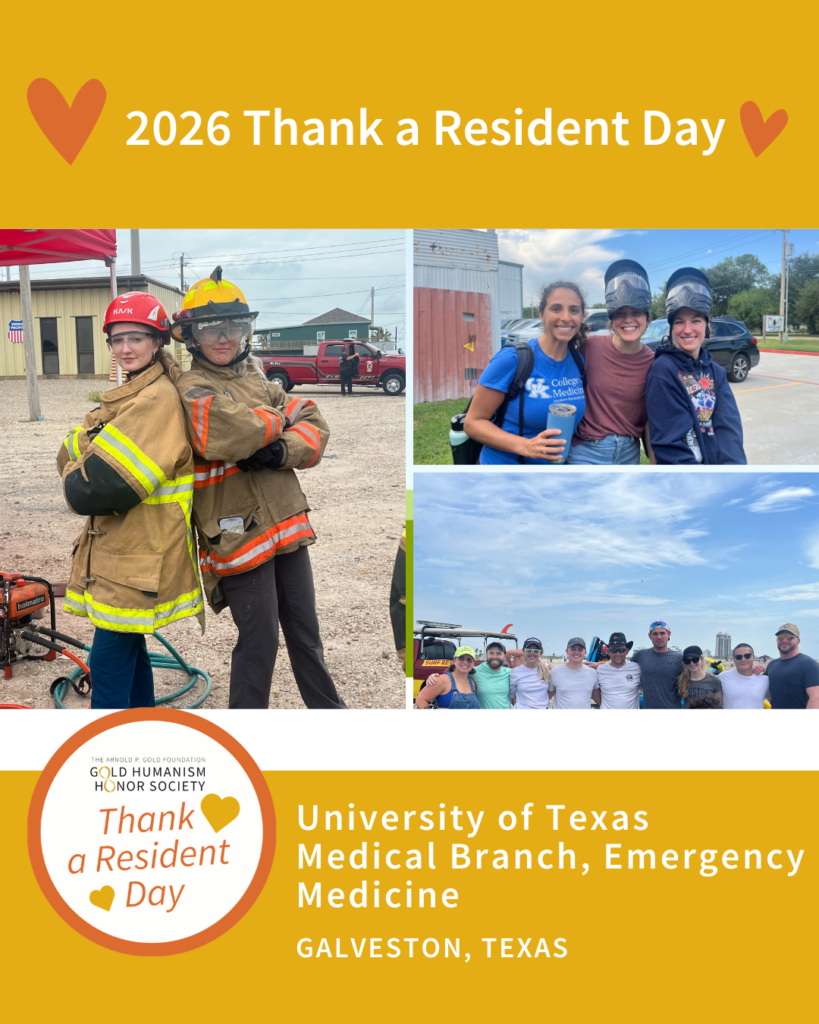
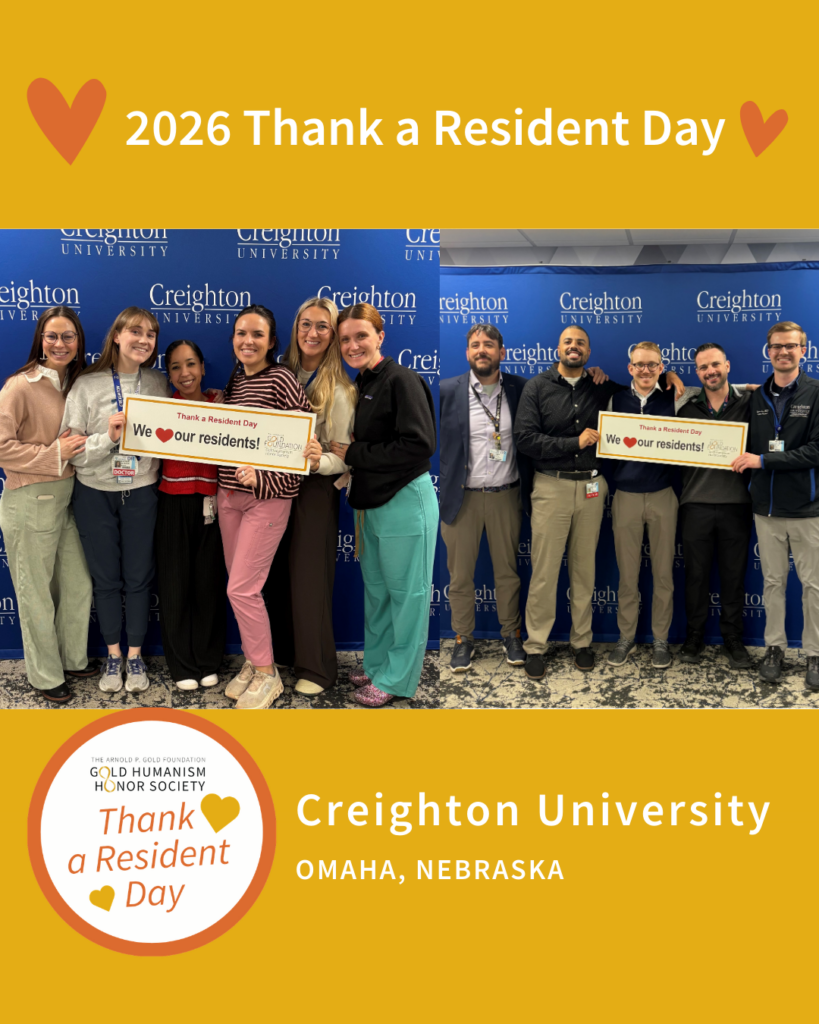
Nearly 1,000 residency and fellowship programs across the United States will participate in Thank a Resident Day today, marking the largest national participation since the day was established in 2018.

Created by the Gold Humanism Honor Society, a program of The Arnold P. Gold Foundation, Thank a Resident Day — held every year on the last Friday in February — shines a spotlight on resident physicians and fellows and the humanistic care they provide to patients every day.

According to newly released national data from the Accreditation Council for Graduate Medical Education (ACGME), there are now more than 167,000 resident physicians and fellows training in the United States, the highest number on record. After graduating from medical school, these doctors train under senior attending physicians while taking on increasing responsibility for patient care. Residency and fellowship are widely considered among the most demanding phases of a medical career, with long and unpredictable hours — including overnight and 24-hour shifts — common.

“Resident physicians and fellows work tirelessly day in and day out to ensure kind, safe, trustworthy healthcare,” said Dr. Kathleen Reeves, President and CEO of The Arnold P. Gold Foundation. “Not only do they care for patients at the individual level, listening closely and treating patients with dignity and respect, but they are part of making the overall healthcare system more humanistic. Their care matters. On this special Thank a Resident Day, we are grateful for all they do every day and for the impact they will make for all of us in the future.”

Participation in Thank a Resident Day has grown dramatically since its launch, from 31 sites in 2018 to nearly 1,000 this year, the highest number ever. Celebrations are personalized at each site and may include handwritten thank-you notes, public recognition across hospitals and health systems, special meals, wellness activities, or even local government proclamations.

Members of the public are encouraged to join the movement by thanking a resident physician or fellow in their community and sharing messages of appreciation on social media using #ThankAResidentDay.

Multiple leading healthcare organizations are joining the Gold Foundation to support Thank a Resident Day, including the Accreditation Council for Graduate Medical Education (ACGME), the Alliance of Independent Academic Medical Centers (AiAMC), the Association of American Medical Colleges (AAMC), the American Association of Colleges of Nursing (AACN), the American Association of Colleges of Osteopathic Medicine (AACOM), and Thalamus.

To learn more about Thank a Resident Day, click here.

View the 2026 Thank a Resident Day album.

About The Arnold P. Gold Foundation

The Arnold P. Gold Foundation is the leading national nonprofit that champions humanism in healthcare, defined as clinically excellent care that is kind, safe, and trustworthy. Founded in 1988 by Drs. Arnold and Sandra Gold, the Gold Foundation offers programs, awards, and resources that support physicians, nurses, and other healthcare professionals beginning in their earliest days of training through their entire careers.  Gold programs include the White Coat Ceremony, the Gold Humanism Honor Society, Tell Me More® communication tool, and the Gold Humanism Summit. 

Jeffrey Silver Humanism in Healthcare Research Roundup: Listening and Humanistic Communication in Healthcare

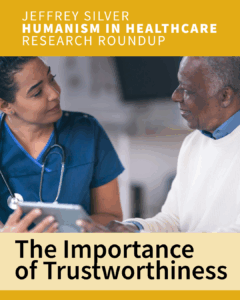
A nurse listening to a patient with the words "Listening & Humanistic Communication in Healthcare"In the 2025 Dr. Hope Babette Tang Humanism in Healthcare Essay Contest, the three winning nursing students captured moments that define humanistic care: Vonnie Cesar sharing her own experience with gestational diabetes to connect with Joe, a diabetic patient; Christine Nepomuceno sitting beside Mrs. Jones, who is dying, to hold space for her grief; and Roz Agheli asking Mr. L, a heart transplant candidate, about his dreams for the future.

Each essay illuminates the same fundamental truth — that clinical excellence requires more than technical skill. It demands the ability to listen, to connect, and to see the whole person behind the diagnosis. The three nursing student essays noted above illustrate how truly listening transforms patient experiences. This Research Roundup connects the powerful student narratives with two recent research publications on the role of listening in patient care and communication among interprofessional teams.


Measuring the Impact of Humanistic Care: A Six-Item Scale to Enhance Patient Trust. Brainard, C., & Maraccini, A. (2026). Journal of Patient Experience13. Access the Free Article

What: Chris Brainard and Amber Maraccini’s 2026 study at UAB Medicine shows how specific, observable clinician behaviors are linked to patient satisfaction. The researchers embedded the Medallia-Gold Humanism Trust Scale into routine post-visit surveys across primary care and family medicine clinics, collecting data from 1,065 patients over two three-month periods in 2023-2024.

The scale assessed patient perception of six clinician behaviors: patiently addressing questions, asking about overall health goals, asking about thoughts and opinions, offering follow-up opportunities, being fully present, and showing genuine concern. Three behaviors emerged as the strongest predictors of patient satisfaction: demonstrating genuine concern (OR=14.5, p<.001), patiently addressing questions (OR=3.9, p=.001), and being fully present during the encounter (OR=2.7, p=.020).

The study’s significance lies in reinforcing the essential role of trust — built by listening and engaging fully — in creating patient satisfaction. As the authors note, their work moves beyond measurement to inform practical, scalable strategies for strengthening humanistic care.

So What: The authors emphasize that behavior-based feedback provides actionable guidance rather than abstract concepts. Even single behaviors, like taking time to address questions or listening while being fully present, produced measurable improvements in patient satisfaction.

The researchers note that clinicians responded more positively to behavior-based feedback than to traditional satisfaction scores, finding it more constructive, actionable, and aligned with their intrinsic motivation to provide compassionate care.

Now What: The authors advocate for integrating behavior-based trust measures into existing feedback systems, shifting from score-based monitoring toward coaching at the point of care. They note that UAB Medicine is expanding this work to examine trust-building across additional specialties to strengthen health outcomes.

The study points toward connecting these humanistic behaviors with clinical outcomes, suggesting future research might examine how trust-building behaviors interact with medication adherence and long-term patient engagement.


These findings about measuring humanistic behaviors connect directly to how such behaviors function in real clinical settings — particularly when multiple professionals must coordinate care. The second study tells us more about the benefits of a healthcare team that comes together at the bedside.


Nurse-Physician Communication During Interdisciplinary Team Rounding: An Observational Study in Internal Medicine. Krishnan, D., Dermenchyan, A., Simon, W., Chen, C., Vangala, S., & Dowling, E. P. (2025). Journal of Multidisciplinary Healthcare, 6643-6651. Access the Free Article

What: Dhwani Krishnan and colleagues’ 2025 observational study at UCLA Health examined 1,007 patient encounters during morning internal medicine rounds. The researchers distinguished between bedside rounding time (BRT), defined as total time physicians spent at the patient’s bedside, and nurse-physician interaction time (RIT), measured by the duration of direct communication between nurses and physicians. These proved to be distinct measures: In nearly one-quarter of cases, RIT exceeded BRT, indicating interactions occurred outside the patient’s room.

Of observed encounters, 64.7% included a nurse-physician interaction, with a mean interaction time of 6.1 minutes. Longer BRT increased the likelihood of discussing hospitalization goals (OR=1.60) and discharge planning (OR=1.25) but showed no association with nurse involvement. In contrast, longer RIT significantly increased the likelihood of nurse involvement and was associated with greater patient and family engagement.

So What: The authors found that approximately one-third of observed bedside rounding events included no nurse-physician interaction at all. They emphasize this represents a critical gap in interdisciplinary communication that may limit essential clinical information exchange, reduce care coordination opportunities, and potentially impact patient safety.

The study revealed that when nurses participated in bedside discussions, patients and families were significantly more likely to engage actively in key conversations about daily plans, hospital stay, and discharge. The authors conclude that nurse-physician interaction duration is a stronger predictor of engagement from both nurses and patients’ families than bedside time alone.

Now What: The authors argue that operational improvement efforts focused solely on increasing physician bedside time may be insufficient. Instead, interventions should prioritize strengthening interdisciplinary communication and enhancing nurses’ roles as patient advocates for daily care needs.

They recommend structured rounding protocols, dedicated time for nurse-physician discussions, and enhanced team training in collaborative communication to address the communication gap. The authors emphasize that any initiative to optimize nurse-physician rounding must be designed to integrate the clinical priorities of both professions.


What This Means for Humanistic Healthcare Education

These studies converge on a powerful truth: Humanistic care isn’t abstract — it can be defined, measured, taught, and cultivated through intentional educational practices. Together, they offer medical and nursing educators insight into developing the next generation of healthcare professionals.

The UAB Medicine trust study demonstrates that we can move beyond vague exhortations to “be more empathetic” and instead provide concrete, behavioral targets: demonstrate genuine concern, patiently address questions, be fully present. Such behaviors are measurable actions with demonstrated impact on patient satisfaction. When we connect this finding to the student essays, we see these behaviors in action: Vonnie’s decision to pull up a chair and truly listen to Joe, Christine’s choice to sit with Mrs. Jones in her grief, Roz’s conversation with Mr. L about what he hoped to do with his new heart. Each represents the operationalization of trust through presence and concern.

The UCLA nurse-physician communication study reveals that creating space for humanistic care requires more than individual clinician intention — it demands structural support for interprofessional collaboration. The finding that one-third of bedside rounds included no nurse-physician interaction represents a systems-level failure. When nurses participate, patients and families participate. For educators, this suggests that teaching humanistic care cannot focus solely on individual clinician behaviors. Instead, we must also teach students how to create and protect time for meaningful interprofessional dialogue, even in time-pressured environments.

Between these studies, several practical implications emerge for healthcare education:

First, integrate observable trust behaviors into clinical skills training from day one. Rather than waiting until students reach the wards to discuss humanistic care, use the Medallia-Gold Trust Scale behaviors as a framework for teaching clinical communication in preclinical years. This could look like role-play scenarios where students practice demonstrating genuine concern, being fully present, and patiently addressing questions and faculty provide specific feedback on these behaviors just as they would on physical examination technique.

Second, design clinical experiences that require interprofessional collaboration. The UCLA study makes clear that proximity isn’t enough, but that nurses and physicians need structured time for genuine interaction. In clinical rotations, educators could expect that students will seek out their colleagues’ perspectives on patient care plans, participate in interprofessional rounds, and explicitly reflect on what they learned from their colleagues. Nurse-physician interaction can be a competency to be developed.

Third, recognize that teaching humanistic care requires attention to both content and context. The trust behaviors are the content, the specific things clinicians do, and the interprofessional communication structures are the context, the systems and time allocations that make humanistic behaviors possible. Stories are the bridge, showing how real clinicians navigate the tension between what they want to do (provide humanistic care) and what circumstances allow them to do.

Finally, remember that measurement drives improvement, but only if we measure the right things. For educators, this suggests that our assessment systems should similarly evolve — moving from vague evaluations of “professionalism” toward specific, observable indicators of humanistic practice.

The three essays that inspired this Research Roundup, Vonnie’s story of sharing gestational diabetes with Joe, Christine’s bedside vigil with Mrs. Jones, Roz’s conversation about dancing with Mr. L, provide the human face for these research findings. They remind us why this work matters, because on the other side of every data point, every odds ratio, every conceptual framework is a patient who needs to be seen, heard, and cared for as a whole person. These students are getting it right. Our challenge as educators, researchers, and administrators is to create the conditions that help every student develop and maintain that kind of humanistic practice throughout their careers.

To receive email notification of new studies once per month, enter your information here and select “Jeffrey Silver Research Roundup” from the checkboxes at the bottom. See previous posts in this series.

Gold Foundation to honor three transformative leaders with 2026 National Humanism in Medicine Medals

The Arnold P. Gold Foundation, the leading national nonprofit dedicated to humanism in healthcare, is delighted to announce the 2026 recipients of the National Humanism in Medicine Medal: Stanley M. Bergman, global healthcare leader and Chairman and CEO of Henry Schein, Inc.; Dr. Leon McDougle, national leader in health equity and access and past President of the National Medical Association; and Dr. Deborah Trautman, national nursing and health policy leader and President and CEO of the American Association of Colleges of Nursing (AACN).

Gold Standard Gala logoThese distinguished honorees have helped advance kind, safe, trustworthy care across patient care, education, policy, and corporate healthcare. Their careers reflect the power of human connection in their deep bonds with patients, colleagues, and community.
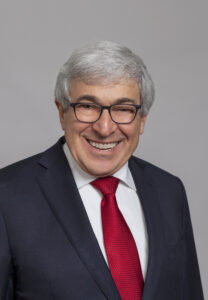
“This year’s honorees have devoted their careers to ensuring kindness, safety, and trust are at the center of healthcare,” said Dr. Kathleen Reeves, President and CEO of the Gold Foundation. “Their leadership has sparked change far beyond their institutions, improving lives across the world.”

Mr. Bergman, Dr. McDougle, and Dr. Trautman will be presented with their medals at the Gold Foundation’s Gold Standard Gala on Monday, June 8, 2026, at the beautiful Tribeca Rooftop in New York City.

“Each of these leaders represents the very best of humanism in healthcare,” said Gold Foundation Board Chair Trista Walker. “Their examples inspire all of us. We are thrilled to be recognizing them.”

All supporters of humanism in healthcare — clinicians, students, patients, families, educators, and leaders across philanthropy, healthcare, education, science, business, art, and culture — are warmly invited to be part of this meaningful celebration. Visit the Gold Standard Gala website for tickets and sponsorships.

Learn more about the honorees:

Stanley M. Bergman

Mr. Stanley M. Bergman

Since 1989, Stanley M. Bergman has served as Chairman of the Board and CEO of Henry Schein, Inc., a Fortune 500® company and the world’s largest provider of healthcare solutions to office-based dental and medical practitioners, with more than 25,000 Team Schein Members worldwide. Ethisphere named Henry Schein as one of the World’s Most Ethical Companies® in 2025 for the 14th consecutive year, and the company was recently named to the Fortune 2026 World’s Most Admired Companies List. A steadfast supporter of the Gold Foundation, Mr. Bergman played a critical role in the creation of the Gold Corporate Council, helping unite leading healthcare companies around the shared mission of advancing humanism in healthcare. Under his leadership, Henry Schein became a founding member of the Gold Corporate Council and has partnered with the Gold Foundation on multiple initiatives — including the Prevention is Power campaign — to promote kind, safe, and trustworthy care.  In addition, Mr. Bergman and Dr. Marion Bergman and their family are active supporters of organizations fostering the arts, higher education, and cultural diversity, as well as grassroots health care and sustainable entrepreneurial economic development initiatives in the United States, Africa, and other developing regions of the world.

Leon McDougle, MD, MPH, FAAFP

Dr. Leon McDougle in a black suit and plaid blue tie

Dr. Leon McDougle

Dr. Leon McDougle is a trailblazing physician leader committed to opening doors of opportunity for biomedical and behavioral science careers and improving healthcare access and outcomes for all people. Dr. McDougle served as the 121st President-elect and President of the National Medical Association during heights of the COVID-19 pandemic. He is the first African American tenured Professor in the Department of Family & Community Medicine at The Ohio State University and the inaugural Associate Vice President of Community Health, Mentorship, & Engagement at the OSU Wexner Medical Center. A long‑time partner of the Gold Foundation, Dr. McDougle is a recipient of the Picker Gold Graduate Medical Education Challenge Grant Award for the Just-in-time Bystander/Allyship Resources for the Clinical Learning Environment study. The initiative aims to prepare clinical physician faculty, residents, and fellows to navigate incidents of inconsiderate and unprofessional communication from a humanistic perspective. His national recognitions include the 2025 AAMC Louis W. Sullivan, MD Award for leadership in promoting a healthcare workforce that includes people of all backgrounds and perspectives. Dr. McDougle is a Diplomate of the American Board of Family Medicine and Fellow of the American Academy of Family Physicians.

Deborah Trautman, PhD, RN, FAAN

Dr. Deborah Trautman

Dr. Deborah Trautman is President and Chief Executive Officer of the American Association of Colleges of Nursing (AACN), where she leads national efforts to strengthen nursing education, advance health policy, and develop future nurse leaders. A champion of humanism in nursing, Dr. Trautman has been instrumental in broadening the Gold Foundation’s programs to nursing students. Under her leadership, AACN partnered with the Gold Foundation to support hundreds of nursing schools in their first White Coat Ceremony (also called the Nursing Oath Ceremony), welcoming nursing students into a tradition that honors patient‑centered care. She also helped expand the Dr. Hope Babette Tang Humanism in Healthcare Essay Contest to include nursing students, whose winning essays are now published annually alongside medical student’s winning essays in the AACN’s Journal of Professional Nursing. Before joining AACN, Dr. Trautman served as Executive Director of the Center for Health Policy and Healthcare Transformation at Johns Hopkins Hospital, and in other leadership roles at Johns Hopkins Medical Institutions and the University of Pittsburgh Medical Center. She is a Distinguished Nursing Fellow in the National Academies of Practice.

Purchase tickets and sponsorships at the Gold Standard Gala website.

Dr. Hope Babette Tang Humanism in Healthcare Essay Contest expands to psychology students

The expansion reflects the Gold Foundation’s emphasis on the importance of interprofessional collaboration and humanistic care across all roles and healthcare fields

The Arnold P. Gold Foundation is delighted to announce that the Dr. Hope Babette Tang Humanism in Healthcare Essay Contest will now be open to graduate psychology students, who will join medical and nursing students in this annual opportunity to reflect on the human connection in healthcare.

“By expanding this essay contest to include psychology students, we’re strengthening the foundation of humanistic care across disciplines,” said Louisa Tvito, MSW, Vice President of Programs at the Gold Foundation. “Psychologists are trained to see the inner world of a patient and be ‘meaning makers’ — clinicians who show up with presence, curiosity, and attunement. Their addition enriches the conversation and broadens our community of healthcare professionals committed to kind, safe, trustworthy care.”

The first-place essay winner will receive $1,000; the second-place winner will receive $500; and the third-place winner will receive $250.

The three winning essays by graduate psychology students will be published in the Journal of Health Service Psychology, the quarterly journal of the National Register of Health Service Psychologists. The National Register, an independent nonprofit, is the largest credentialing organization for psychologists and psychology doctoral students.

“We’re proud to partner with the Gold Foundation and the American Psychological Foundation to elevate the voices of future psychologists whose reflections deepen our shared commitment to empathy, connection, and trust in healthcare,” said National Register CEO Andrew Boucher.

The American Psychological Foundation (APF), a nonprofit grantmaking foundation dedicated to advancing psychological knowledge, will be providing support in sharing this opportunity with its network to reach psychology graduate students.

”Psychology moves people, and people move the world,” said APF CEO Michelle Quist Ryder, PhD. “This expansion recognizes the integral role psychology plays in building a healthier society.”

The essay contest is named in memory of Hope Babette Tang, MD, an Assistant Professor of Pediatrics at Columbia-Presbyterian Medical Center and the Pediatric Medical Director of the hospital’s HIV clinic until her death in 1998 at age 36. Dr. Tang’s patients were often facing numerous obstacles on top of their devastating medical challenges, which made healing even more difficult. Her mantra in caring for her patients was “Whatever it takes.” Her approach meant she saw the person in front of her, not just their medical situation. Many of her acts of caring only came to be known after her death. She treated the whole patient, a hallmark of humanistic care.

About The Arnold P. Gold Foundation

The Arnold P. Gold Foundation is the leading national nonprofit that champions humanism in healthcare. Founded in 1988, the Gold Foundation’s vision is that healthcare will be dramatically improved by placing the interests, values and dignity of all people at the core of teaching and practice. The Gold Foundation is the home of the White Coat Ceremony, the Gold Humanism Honor Society, Tell Me More® communication tool, and many other programs and resources.


Dr. Arnold P. Gold: How the Gold Foundation began

by Dr. Arnold P. Gold

This speech, describing how the Gold Foundation was created, was given in 2016 at a Gold Humanism Honor Society conference by Gold Foundation co-founder Dr. Arnold P. Gold.

The tradition of caring in which I was educated was based on humanism. By the late 1970s and early 1980s, however, I began to notice changes in the culture of medical practice relative to patient centered care.

The exciting explosion of important scientific and technological discoveries brought with it an unintended negative consequence. Students began to demonstrate a new lack of interest in patient care, focusing more on amazing PET scans, CT scans, and other test scores.

Dr. Arnold P. Gold

At the same time, from friends and neighbors at dinner parties and in other community events, I began to hear expressions of disappointment about their medical interactions. Often their conversations ended with, “Arnold, you teach medical students. Can’t you do something about how patients are being treated? “

One day at rounds it became clear that a cornerstone of the medical experience, the important relations between the patient and the doctor, was at risk.

My resident presented my 16-year-old patient Glenn as “the malignant brain tumor in room 207.”

I was startled. I was shaken.

A stream of test scores from the house staff followed. When I asked if Glenn has siblings, when I asked about his parents and how he was dealing with the news of his illness, no one in the group had any information. Without exaggeration I felt a serious threat facing medicine.

A seriously ill young man was reduced to a room number.

Keeping patient care central in every medical interaction was in danger.

That night I shared my epiphany and anxiety with my wife and live in therapist, Sandra. I expressed my fear that the treasured relationship between the doctor and patient was being threatened.

In extremely strong words she challenged me to do something about it. I was baffled! What could one person do to stop the tide of this change in behavior toward patients? The forces facing me seem enormous.

Then I remember Sandra once quoting a line from the Talmud that said, “It is not for you to finish the task but neither are you excused from beginning it.”

What could I do, I asked myself? I was on service; I had a busy practice, I was in the process of writing chapters in two textbooks, and I was teaching every day.

Some of you already know what happened next. Inspired by the work of Rockefeller and Carnegie, that very next day, I decided to start a foundation to sustain humanism in medicine. I called upon several colleagues and some friends to join my campaign. Realizing my need for a laboratory to pilot programs, I called Dean Tapley at Columbia and that afternoon with a handshake, he agreed to partner with me on this project.

I was on a roll. I couldn’t wait to share my news with Sandra.

But at dinner that particular night she never asked how my day had been. Finally, filled with pride, I told her about starting a foundation.

“Why a foundation?” she asked.

I told her about Rockefeller and Carnegie’s success with research and libraries.

“Do you have some money I don’t know about?” she asked. “I want to remind you, Arnold dear, that those men had lots of money to invest in such projects. Where will you get the money?”

Without hesitation, I said, “Sandra, that’s easy. That will be your job to figure it out.”

And figure it out she did, for the next 25 years as Gold President and CEO, passing the leadership baton to the eminent Dr. Richard Levin in August of 2012.

My colleagues accused me of smoking opium when in 1988 I began the foundation’s work.

But I never doubted that the Gold Foundation would have a significant impact because when accompanied by excellent science, humanism, compassion, and love are essential to providing optimal health outcomes.

TalkVermont leaders win 2025 AACN-Gold Interprofessional Humanism in Healthcare Award

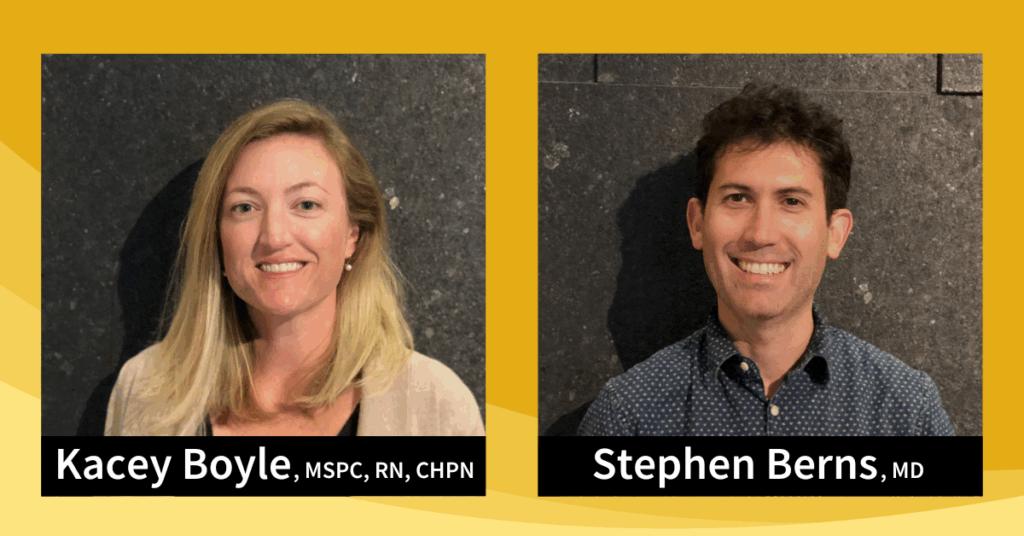
Dr. Stephen Berns and nurse Kacey Boyle are recognized for fostering essential, human-centered conversations with patients at University of Vermont Health

The Arnold P. Gold Foundation and the American Association of Colleges of Nursing (AACN) are pleased to announce the 2025 recipients of the AACN-Gold Interprofessional Humanism in Healthcare Award: Stephen H. Berns, MD, and Kacey Boyle, MSPC, RN, CHPN, who created TalkVermont to foster meaningful and critical conversations with patients and their families around their goals of care.

Two headshots on a gold background. On the left, nurse Kacey Boyle, on the right, doctor Stephen BernsThis prestigious annual award recognizes high-impact collaboration by nurses and physicians that advances humanistic care. Together, Dr. Berns and Ms. Boyle founded TalkVermont in 2018 to address a “conversation gap,” in which more than 95 percent of clinicians reported that goals-of-care discussions were important, yet fewer than 20 percent routinely had them.
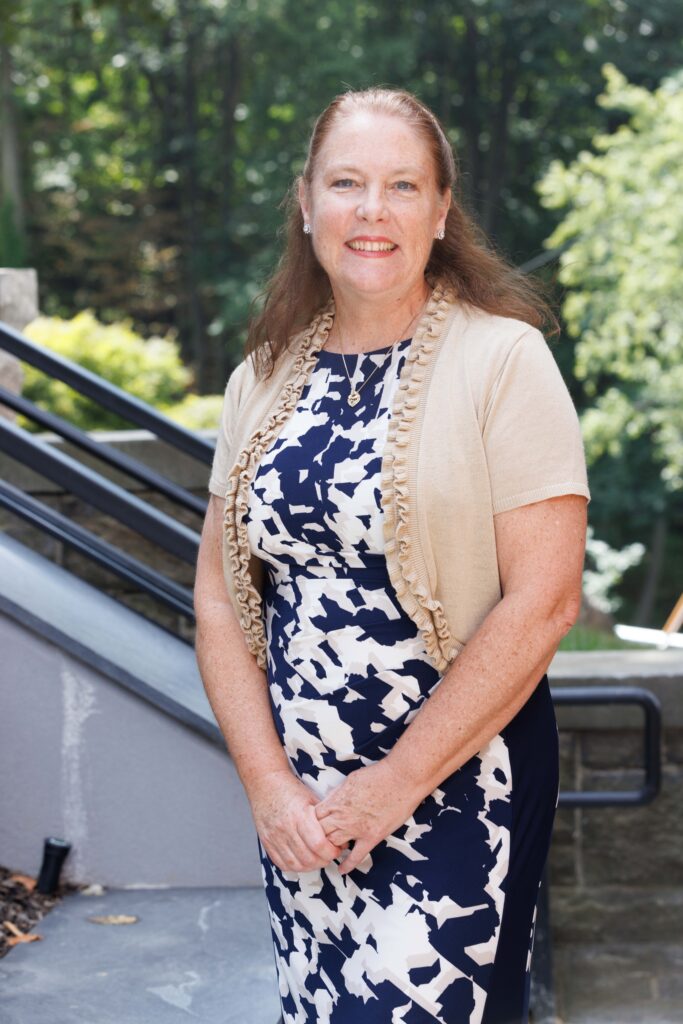
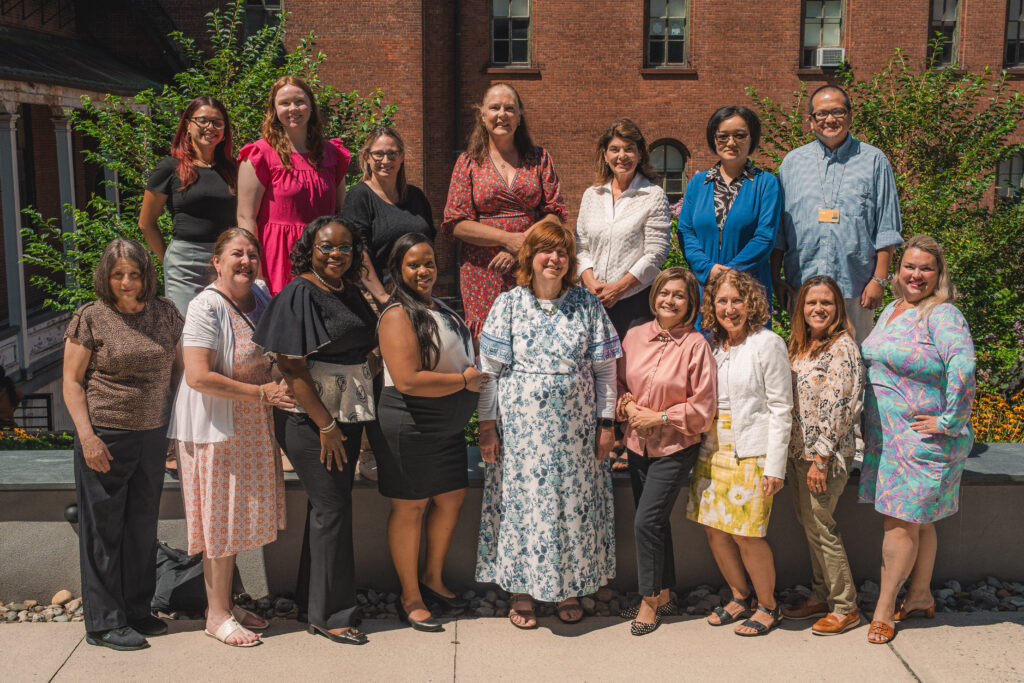
“Their collaboration has inspired a cultural shift across UVM Health,” Jennifer Franzoni, MSW, Network Director of Case Management at University of Vermont (UVM) Health, wrote in her nomination. “Serious illness communication is no longer viewed as the domain of palliative care alone; it is a shared responsibility, supported by a shared language and skill set. This systemic change has improved patient care, strengthened teamwork, and elevated the culture of compassion across the network.”

Dr. Berns and Ms. Boyle serve as Director and Associate Director, respectively, of TalkVermont. Ms. Boyle is a Palliative Care Specialist at the University of Vermont Medical Center. Dr. Berns is the Division Chief of Hospice and Palliative Medicine at University of Vermont Health and holds the Holly and Bob Miller Endowed Chair in Palliative Medicine at The Robert Larner, M.D. College of Medicine at the University of Vermont.

“Humanistic healthcare is built on a strong foundation of trust and open communication between patients, nurses, physicians, and all members of the healthcare team,” said Deborah Trautman, PhD, RN, FAAN, President and CEO of the American Association of Colleges of Nursing.  “On behalf of academic nursing, we applaud the leaders of TalkVermont for their commitment to compassion, communication, and collaboration, the cornerstones of high-quality patient- and family-centered care.”

Dr. Berns and Ms. Boyle will receive their award and present a session at the 2026 Gold Humanism Summit, the Gold Foundation’s national conference, which will be held in Pittsburgh, Sept. 16-18.

“We are honored to recognize Dr. Stephen Berns and nurse Kacey Boyle for their remarkable work at TalkVermont, fostering greater communication in healthcare.  Clinically excellent care that is kind, safe and trustworthy is only possible when we truly communicate,” said Kathleen Reeves, MD, FAAP, President and CEO of The Arnold P. Gold Foundation. “Humanism in healthcare does not happen in a silo. It requires collaboration across fields and disciplines, and we need leaders like Dr. Berns and Ms. Boyle who model the way.”

TalkVermont has had an enduring impact. Since its creation in 2018, TalkVermont has trained more than 1,500 trainees and 1,680 practicing healthcare professionals, including physicians, nurses, social workers, chaplains, and others. Ninety-nine percent of participants report that they would recommend the course and 96 percent plan to change their behavior based on the training, according to Ms. Franzoni.

The Serious Illness Conversation Navigator, a system in the electronic health record that Dr. Berns and Ms. Boyle helped establish, shows the impact of TalkVermont; serious illness conversations have risen by 33 percent for healthcare professionals who have participated in TalkVermont, representing an estimated 40,000 additional conversations across Vermont and New York.

“The combination of person-centered skill development with interprofessional collaboration has changed not just what clinicians say, but how they think about their work,” wrote Ms. Franzoni in her award nomination of Dr. Berns and Ms. Boyle. “One graduate reflected, ‘It reminded me why I went into medicine… to be present, even when there are no perfect words.’ By teaching clinicians across disciplines to listen deeply, ask meaningful questions, and respond with empathy, Dr. Berns and Ms. Boyle restore the human connection at the center of care.”

About the partnering organizations

The American Association of Colleges of Nursing (AACN) is the national voice for academic nursing representing more than 875 schools of nursing nationwide. AACN establishes quality standards for nursing education, influences the nursing profession to improve health care, and promotes public support of baccalaureate and graduate nursing education, research and practice.

The Arnold P. Gold Foundation is the leading national nonprofit organization that champions humanism in healthcare, defined as clinically excellent care that is kind, safe, and trustworthy. The Gold Foundation is home of the White Coat Ceremony, Gold Humanism Honor Society, the Gold Humanism Summit, and more programs and tools that create and sustain the human connection in healthcare


Jeffrey Silver Humanism in Healthcare Research Roundup: Humanism in AI

In a recent editorial in the Monash Bioethics Review, researchers Marco Paglialonga and Cristiana Simonetti argue that integrating AI technology with the humanities “is key to promoting patient-centered care while preserving the core values of therapeutic relationships.” This could mean AI-generated discharge instructions that patients actually understand, chatbots that respond to after-hours questions with warmth, or decision support systems that enhance rather than erode the patient-clinician relationship. They ask us to see AI in healthcare not as a human substitute, “but as a tool to be humanized” where “human dignity is not sacrificed to efficiency but defines its purpose.” They note that if we can use this tool well it holds the potential “to amplify patient voices, break communication barriers, and restore dignity to those excluded from clinical dialogue.”

This vision for humanism in AI in medicine mirrors the Gold Foundation’s vision of keeping healthcare human. The Gold Foundation works toward this vision with a mission to foster kindness, safety, and trustworthiness. This Research Roundup applies that mission lens to AI in healthcare. Below, you’ll read about three studies exploring the potential of AI to enhance patient safety, foster kindness in the clinical encounter, and support clinician trustworthiness. Wherever you are on the spectrum from excited to curious to cautious to alarmed about the future of AI in medicine, these studies clarify that all of us — practitioners, patients, researchers, educators, and administrators — have a role to play in shaping that future.


Safety

Studies have shown that AI can generate patient communication materials; this study from Germany asks how well it does so, with implications for AI’s ability to increase discharge process safety.

What’s going on with me and how can I better manage my health? The potential of GPT-4 to transform discharge letters into patient-centered letters to enhance patient safety: Prospective, exploratory study. Eisinger, F., Holderried, F., Mahling, M., Stegemann–Philipps, C., Herrmann–Werner, A., Nazarenus, E., Sonanini, A., Guthoff, M., Eickhoff, C., and Holderried, M. (2025). Journal of Medical Internet Research 27: e67143. Access the Free Article

What: This study explores AI’s promise to provide “personalized and scalable support for helping patients understand medical information” by asking: How well does GPT-4 identify and transform patient safety-relevant information from traditional discharge letters into patient-centered letters? Authors developed discharge letters for 3 common medical conditions containing both “remember” and “understand” levels of educational content. Due to variability in AI output, they generated each letter 5 times using the same prompt. Two clinicians analyzed letters for medical quality, patient centricity, and ability to convey safety-related information. Overall, GPT-4 did not fully demonstrate that promise.

So What: A positive: GPT-4 letters significantly outperformed traditional discharge letters in patient-centricity — they were easier to read, contained fewer abbreviations and medical terms, and more directly addressed the patient. The drawbacks: Approximately 4% of AI-generated sentences contained medical errors (from imprecision or incompleteness), and no AI letters included all relevant information (78% of learning objectives were captured). “Understand” level information was omitted more often than “remember” instructions, with more frequent omissions for complex medical requirements.

Now What: The authors conclude that while GPT-4 shows potential to enhance patient-centeredness of discharge letters, it is not yet suitable for patient care without medical professional review, particularly given the omissions and occasional hallucinations (factually incorrect AI-generated content). Further advances in prompting techniques and targeted development of medical language models could minimize these limitations. If addressed, GPT-4 could meaningfully support healthcare professionals in patient-centered communication and improve patient understanding — a significant step toward better patient safety and care quality.


Kindness

The prior study found that AI excelled at being patient-centric. Such findings suggest our concerns about AI making medicine less human might be misplaced. This UK study provides support for that conclusion.

AI chatbots versus human healthcare professionals: a systematic review and meta-analysis of empathy in patient care. Howcroft, A., Bennett-Weston, A., Khan, A., Griffiths, J., Gay, S., and Howick, J. (2025). British Medical Bulletin 156, no. 1: ldaf017. Access the Free Article

What: This systematic review examined 15 empirical studies comparing conversational AI chatbots using large language models with human healthcare professionals on empathy measures. Studies included real patients, healthcare users, or patient-authored communications (emails, portal messages, public forums). All used blinded evaluations (except one unspecified); 14/15 used non-validated empathy instruments; 14/15 were published in 2024. Participants functioned as observers rather than active chat participants. Thirteen studies reported statistically significantly higher empathy ratings for AI; two dermatology studies favored humans. Meta-analysis of 13 studies found AI rated approximately 2 points higher on 10-point empathy scales.

So What: With 73% likelihood of AI being perceived as more empathetic than human practitioners, these findings suggest AI-driven interactions are unlikely to cause harm through empathy deficits. The text-based nature limits transferability, though this limitation may diminish as more patient-practitioner interaction occurs via text.

Now What: While methodological limitations (unvalidated scales, text-only evaluations) temper these results, the evidence challenges longstanding assumptions about human clinicians’ exclusive capacity for empathic communication. The authors call for future research using voice-based interactions and direct patient feedback, with rigorous validation through randomized trials to ensure clinical reliability.


Trustworthiness

Just as AI’s empathy depends on how information is presented, its trustworthiness depends on factors beyond technical accuracy. This study explores what influences patients’ willingness to trust AI-supported clinical decisions.

The effect of artificial intelligence on patient-physician trust: Cross-sectional vignette study. Zondag, A., Rozestraten, R., Grimmelikhuijsen, S.G., Jongsma, K.R., van Solinge, W.W., Bots, M.L., Vernooij, R.W., and Haitjema, S. (2024). Journal of Medical Internet Research 26: e50853. Access the Free Article

What: This study out of the Netherlands explored acceptability of AI-based Clinical Decision Support Systems (CDSS). 398 participants were randomized to four vignettes: clinician decision-making with or without AI support, in both low-risk (rheumatoid arthritis flareups) and high-risk (neonatal sepsis) scenarios. Intervention vignettes explicitly stated the doctor received support from an advanced computer system combining medical information for risk prediction. Participants completed a modified “Trust in Physician” scale measuring three dimensions: competence, integrity, and benevolence.

So What: In high-risk vignettes, women reported lower trust in the AI intervention group, with lower perceptions of physician competence and integrity. Authors found positive correlation between general technology trust and measures of benevolence and integrity in low-risk intervention groups. This suggests higher-stakes scenarios may yield greater patient preference for traditional human decision-making.

Now What: These findings reveal that trust in AI-supported care isn’t just about technological competence — it’s deeply influenced by patients’ prior experiences, gender, risk level, and broader trust in technology. Building trustworthy AI in healthcare requires addressing these human factors alongside technical accuracy. For successful AI adoption in clinical practice, patients must be involved in both development and implementation, and broader societal discussion about human values and AI in healthcare is needed.


These three studies demonstrate that AI in healthcare is neither inherently humanistic nor dehumanizing — it is a tool that amplifies the intentions of its designers and users. The challenge ahead is ensuring that patient voices, clinical wisdom, and humanistic values shape AI’s development and deployment, rather than allowing efficiency and automation to define its purpose.

Researchers, clinicians, administrators, and others in the United States committed to the Gold Foundation’s mission should work toward bringing the insights and patient-centered focus of the international authors cited above to a U.S. context to ensure that our healthcare system develops AI not as a replacement for human connection, but as a tool that amplifies our capacity for kindness, enhances our commitment to safety, and earns the trust of the patients we serve.

To receive email notification of future editions of the Jeffrey Silver Humanism in Healthcare Research Roundup, enter your information here and select “Research Roundup” from the checkboxes at the bottom. Read previous posts in this series.

8 Questions with UMSV Dean Catherine Healy Sharbaugh

“8 Questions” is a Gold Foundation series spotlighting members of the Gold community – doctors, nurses, healthcare professionals of all kinds, students, corporate and hospital leaders, patients, family members, Trustees, staff members, and supporters.

UMSV Nursing Dean Catherine Healy Sharbaugh

UMSV Nursing Dean Catherine Healy Sharbaugh

We are delighted to introduce you to Catherine Healy Sharbaugh, DNP, FNP, GNP-BC, FNYAM, FRCSI, Dean of the University of Mount Saint Vincent (UMSV)’s St. Joseph’s School of Nursing. UMSV is based in Riverdale, New York, with more than 600 students across traditional undergraduate nursing, accelerated second-degree nursing program, and a master’s of science in nursing program. UMSV’s St. Joseph’s School of Nursing was the first nursing school to join the newly expanded Gold Partners Council.

Here are 8 questions posed to Dean Sharbaugh — and her answers.

What drew you to nursing?

When I was a teenager, my mother had many nurse friends. One summer, I was fortunate to volunteer with one of them, a public health nurse who visited patients’ homes throughout the New York City area. She taught me about the importance of ongoing healthcare and preventative services for older people with conditions such as hypertension, diabetes, and wound care. I learned how to take blood pressures and good hygiene practices. It sparked my interest in nursing. In my senior year of high school, I applied to nursing schools and got into my dream school, Villanova.

The Gold Foundation defines humanism in healthcare as clinically excellent care that is kind, safe, and trustworthy. Why does it matter to you?

Humanism in healthcare matters to me as a nurse because without truly seeing the human in front of you and their challenging health issues, whether minor or big, it can be scary for the patient and/or family. I believe a highly qualified and skilled nurse can provide comfort to a hospitalized patient in a time of overwhelming medical procedures with a simple, trustworthy explanation that can ease anxiety or perhaps predict and thus avoid possible hazards in an effort to keep patients safe.

UMSV School of Nursing leadership

Why did your school decide to join the Gold Partners Council?

UMSV’s St. Joseph’s School of Nursing joined the Gold Partners Council because the Gold Foundation’s mission aligns with our founding mission from 1847 by the Sisters of Charity of New York. They focused on education and nursing and were dedicated in particular to the service of the poor. For over 200 years, the congregation’s traditional ministries have been in education, healthcare, and childcare.

Our motto is “Teach me goodness and discipline and knowledge.”

What makes UMSV’s St. Joseph’s School of Nursing special?

Our university is a designated Hispanic-serving Institution that truly lives the mission of authentic inclusivity with a commitment to human dignity, to each other, and to our common humanity.  St. Joseph’s School of Nursing stands out for its commitment to providing a comprehensive and supportive educational experience for our nursing students. The school’s history and mission reflect its long-standing dedication to preparing individuals for the nursing profession, with a focus on community needs and personal and professional growth

Nursing students at University of Mount Saint Vincent in fall 2025

What advice would you give nursing students?

Healthcare can be challenging, and my advice for nursing students is to be open to new opportunities. Don’t be afraid to try a new area of expertise. If one specialty is not your path, try another. As nurses, we are always learning — our careers require continuous education. I started my career in a big city hospital on a cardiac floor, then moved to a small community recovery room, then urgent care.  I continued my education to become a family nurse practitioner, then a nurse educator and now a Dean of Nursing.  A career in nursing offers so many exciting opportunities.

Tell us about one of the human-centered programs at your school.

The Sisters of Charity have had a mission in Quiche, Guatemala since 1971, an effort to expand far past the streets of New York City and into one of our globe’s most impoverished nations. After a long pause due to Covid, UMSV St. Joseph’s School of Nursing had a mission trip this May. Prior to arriving in Guatemala, the student nurses prepared health education materials and lessons on some of the leading causes of death: heart disease, diabetes, infections, poor nutrition, road injuries, and choking. Sadly, the estimated life expectancy in Guatemala is 72.6 years, compared with 78.5 years in the United States. Emergency medical care is hours away for many in the rural areas.

We didn’t travel to Guatemala to be saviors. We came to bring hope. We listened deeply to the needs to the Guatemalan people, and we taught them — and they taught us. Yes, we brought medical supplies with us, and we provided exams in the clinics. But — more importantly — we provided education. We taught the Heimlich maneuver, CPR, and first aid. These are skills that many of us take for granted, especially with cells phones to quickly dial 911 in our pockets. By sharing these skills with the Guatemalan people, they are able to teach their family and friends, which will start a chain-reaction of deeper care and knowledge. I was so proud of my nursing students respectfully educating in Spanish and providing humanistic care to the community.

What is one small way you bring humanism to your daily life?

I believe a simple way to bring humanism to your daily life is to reflect on your blessings and be thankful for your education and ability to help others.  Not everyone has that skill set and knowledge to be a professional registered nurse. It is a true gift to be able to help others in need.

What is your happy place and why?

I’m happiest when I’m with my family, whether it’s enjoying a meal, walking the family dog, or going to my family’s farm in Ireland.  I love being with nature — it’s my peaceful escape and happy place.

Thank you, Dean Sharbaugh! Read more interviews in the “8 Questions” series.

Learn more about the Gold Partners Council. If you are interested in joining, please reach out to Judith Friedland at jfriedland@gold-foundation.org.

Listen to Gunnar Esiason & the Human Side of Medical Breakthroughs [Podcast Episode]

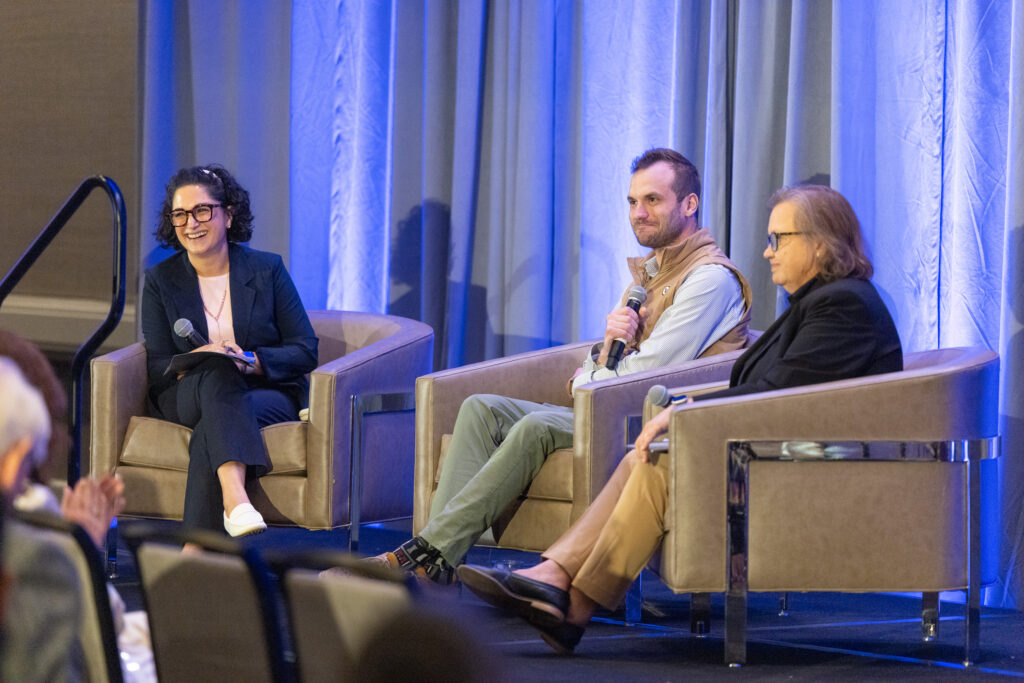
On stage at the 2025 Summit, from left, host Dr. Neda Frayha, Gunnar Esiason, and Gold President Dr. Kathy Reeves.

Listen on Apple Podcasts or Spotify.

In this special conversation recorded live at the 2025 Gold Humanism Summit in Baltimore, Hippo Education Monthly Rounds podcast host Dr. Neda Frayha interviewed Gunnar Esiason, alongside Gold Foundation President Dr. Kathleen Reeves.

Gunnar Esiason

Gunnar Esiason is a cystic fibrosis and rare disease patient leader who is passionate about early-stage drug development, patient empowerment and health policy. Diagnosed with cystic fibrosis in 1993, when the disease was considered fatal, he has experienced the life-changing evolution of medical treatments and medications. Gunnar’s father, Boomer Esiason, a former football star with the Cincinnati Bengals, founded the Boomer Esiason Foundation to support research in cystic fibrosis. Gunnar’s story was recently told in “Second Wind,” a documentary now streaming on ESPN+.

In this illuminating conversation, Gunnar shares his story as a young patient to thriving in his 30s with a family of his own, alongside the research study and medication pipeline that led to breakthroughs that changed his life and countless other patients’ lives.

Dr. Neda Frayha

Dr. Frayha is the Audio Editor-in-Chief at Hippo Education, LLC and an Assistant Professor at the University of Maryland School of Medicine. A Gold Humanism Honor Society member, she is a primary care internist who strives to humanize medicine through education and storytelling. She is the host of the Primary Care Reviews and Perspectives podcast.


Listen right here:

Reflections on Gold Humanism Summit 2025

Johns Hopkins medical student Sahithi Madireddy shares her thoughts after attending the Gold Foundation’s annual conference, which was held in Baltimore in 2025. “The conference was like a balm, with many attendees feeling inspired and rejuvenated.”

Dr. Mill Etienne selected as the 2025 Arnold P. Gold Foundation Humanism in Medicine Award at the AAMC honoree

This profile of the 2025 recipient was originally posted on the AAMC website.

The Arnold P. Gold Foundation is proud to join with the Association of American Medical Colleges to honor Dr. Mill Etienne with the 2025 Arnold P. Gold Foundation Humanism in Medicine Award. Dr. Etienne was celebrated at the virtual 2025 AAMC Awards Recognition Event and will speak at a closed event at the 2025 Learn Serve Lead conference in San Antonio, Texas.

Dr. Mill Etienne

In a 2023 video from New York Medical College (NYMC), Mill Etienne, MD, MPH, FAAN, FAES, Vice Chancellor, Associate Dean for Student Affairs, and Associate Professor of Neurology and Medicine, reflected on how growing up in the impoverished Port-au-Prince, Haiti, shaped his clinical and pedagogical approach. Dr. Etienne says, “I do remember what it’s like to have less access and to not see physicians on a regular basis. I remember all those elements of my childhood and what I find most fulfilling about my career is the fact that I’m able to take care of patients, give them high-quality care regardless of their ability to pay, and at the same time be able to teach students how to give that high-level care.”

Dr. Etienne knows that seeing the humanity of each patient is key to providing good care, but he also understands that making system-wide changes can have an enormous impact. Dr. Etienne is a founding faculty member of the Transformative Education Leadership Program (TELP), which was designed to combat racism and unconscious bias in the health care field through medical education, and has spearheaded the NYMC involvement with the national organization, Black Men in White Coats. In 2022, he started the Medical Education Lab at NYMC, which has made research opportunities more accessible to all students on campus.

As director of the electives, Multiculturalism in Medicine, Impact of War on Medicine, and Health and Justice, for fourth-year medical students, Dr. Etienne has broadened perspectives on how to treat patients from a wide range of backgrounds. Through the Health and Justice elective, students meet in a classroom with people who are incarcerated so they can exchange ideas, complete projects together, and learn from each other. The students gain a more in-depth understanding of patients’ challenges from hearing and seeing these challenges firsthand.

Shortly after 9/11, Dr. Etienne joined the Navy and was commissioned while still a resident at Columbia University. He served as the founding director of the Comprehensive Epilepsy Center, now the Walter Reed National Military Medical Center. Because of his ties to Haiti, Dr. Etienne served as one of the physicians and chief of the ethics committee on board the U.S. Naval Ship Comfort during Operation Unified Response, the U.S. military response to Haiti’s devastating earthquake in January 2010. And during the height of the COVID-19 pandemic, Dr. Etienne was again called up to serve as the chair of the Health Equity Task Force for vaccine distribution in the Hudson Valley.

In addition to his naval service and work at NYMC, Dr. Etienne is a visiting scholar at the National Center for Bioethics in Research and Health Care at Tuskegee University and director of medicine and neurology at WMCHealth’s Good Samaritan Hospital, the same hospital where he himself had limited access to care in his youth. He is a past president of the New York State Neurological Society and the Harlem and Yale University chapters of the Alpha Phi Alpha Fraternity, Inc.

Dr. Etienne has received numerous accolades for his work, including the Crain’s New York Champion of Change award; the American Academy of Neurology Diversity, Equity, and Inclusion Changemaker Award; and the American Medical Association Dedication to the Profession Award. In 2021, he received the Leonard Tow Humanism in Medicine Award at NYMC and is a member of the Gold Humanism Honor Society. He’s received the NYMC Award for Excellence in Teaching and Mentorship ten times.

Dr. Etienne earned a bachelor’s degree from Yale University and an MD from NYMC. He earned an MPH from Columbia University, where he also completed residency and fellowship training in neurology with subspecialty training in epilepsy and clinical neurophysiology. Dr. Etienne is board-certified in neurology, epilepsy, clinical neurophysiology, and brain injury medicine.

Learn more about how to nominate a faculty member for the 2026 award. Deadline: March 2.

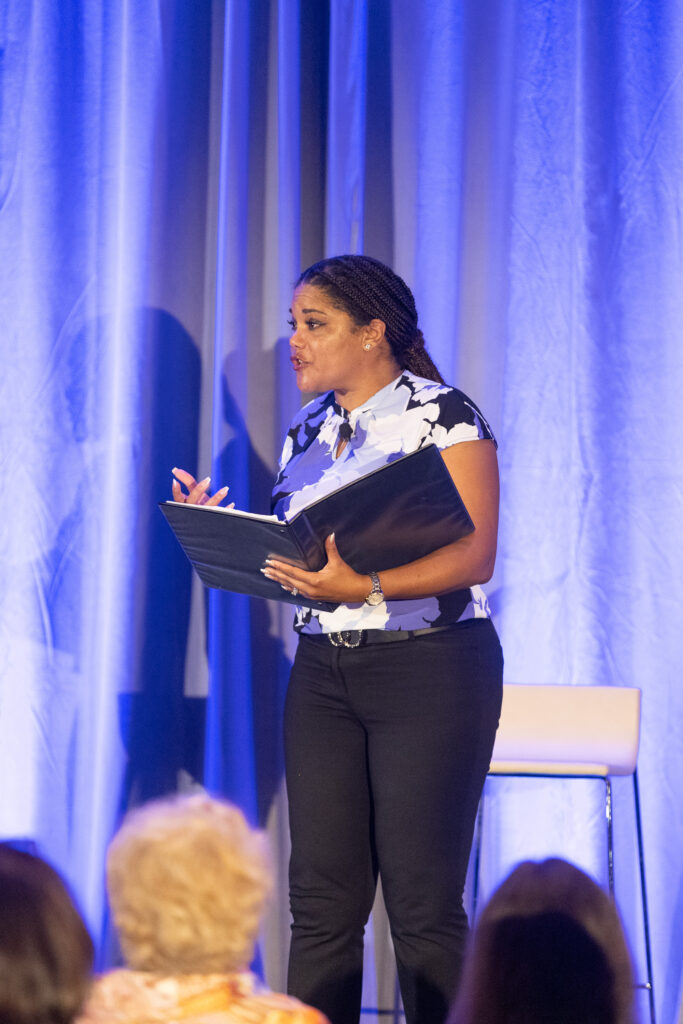
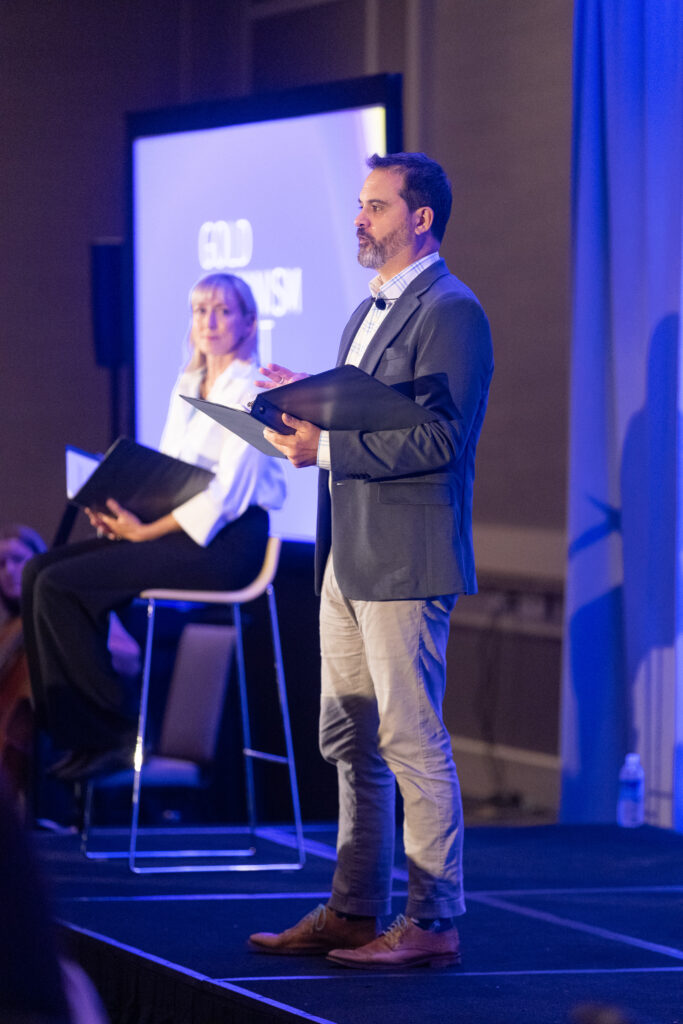
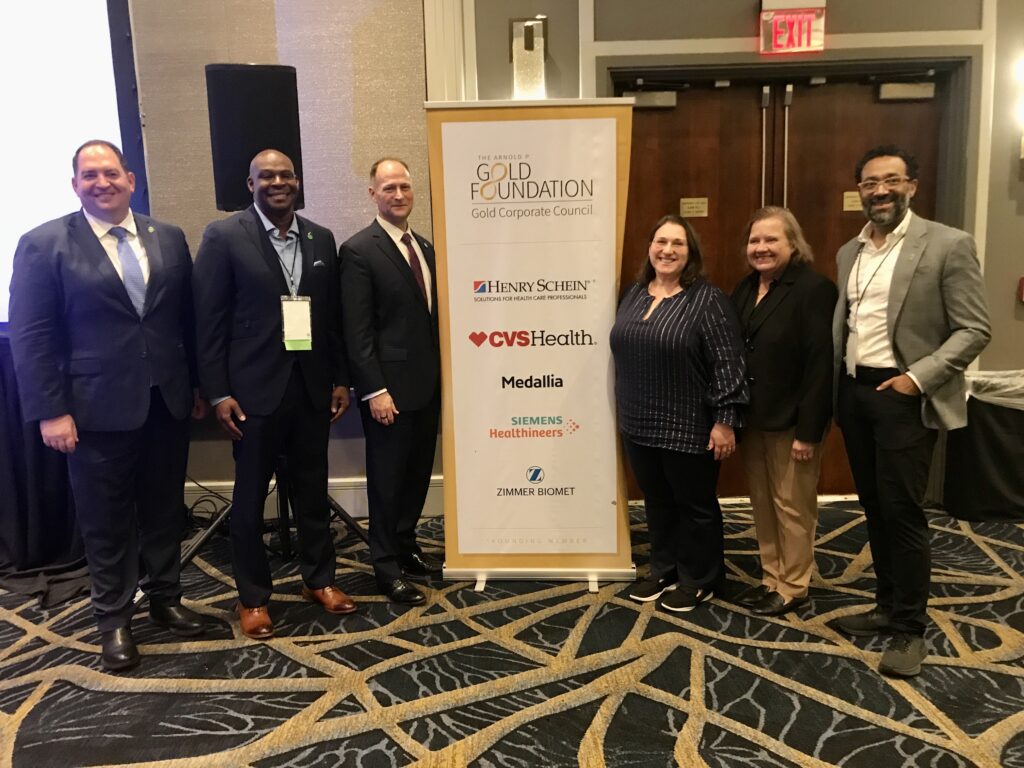
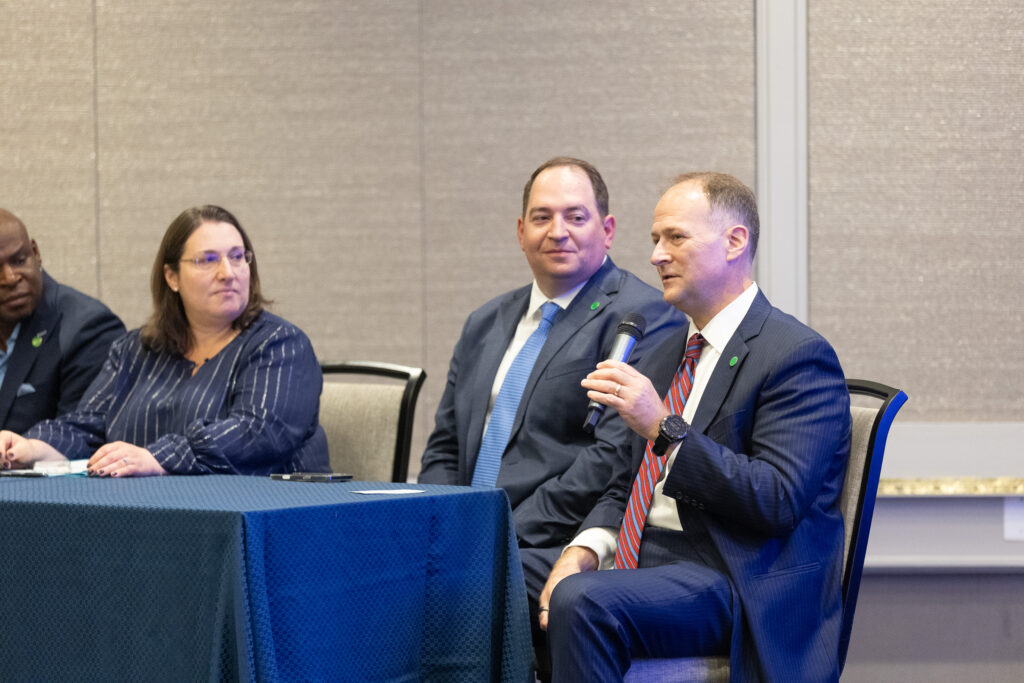
2025 Gold Humanism Summit Photo Album

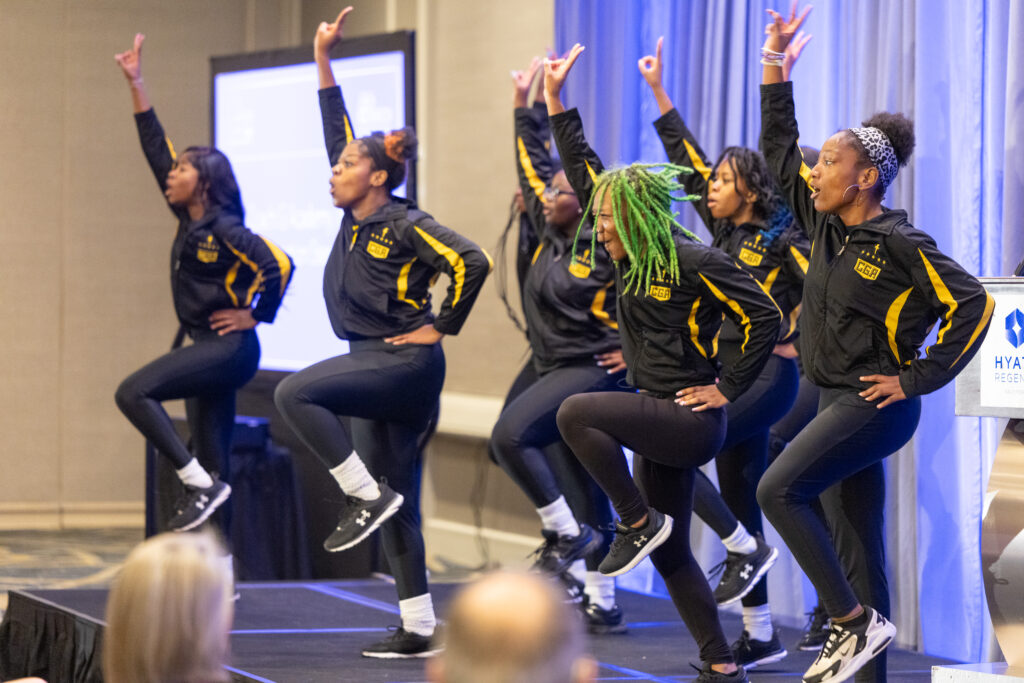
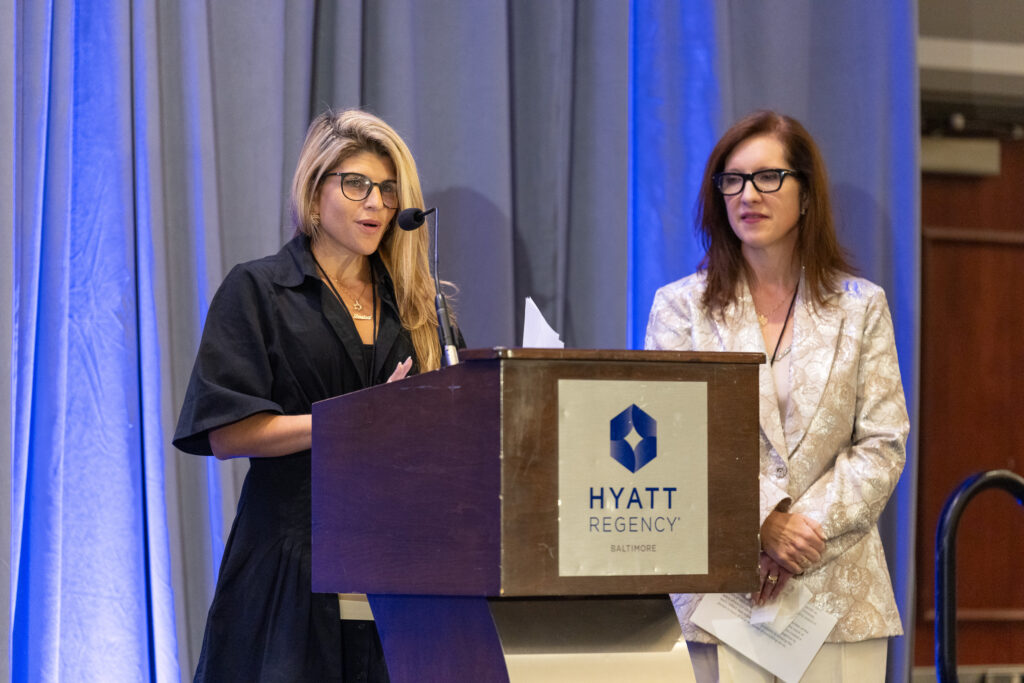
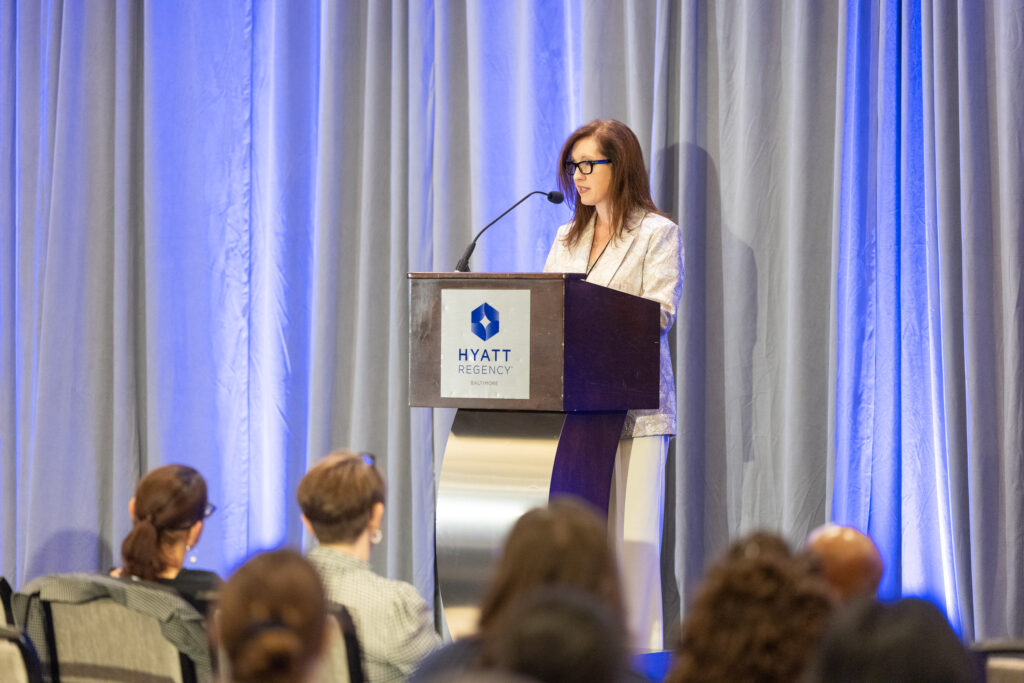
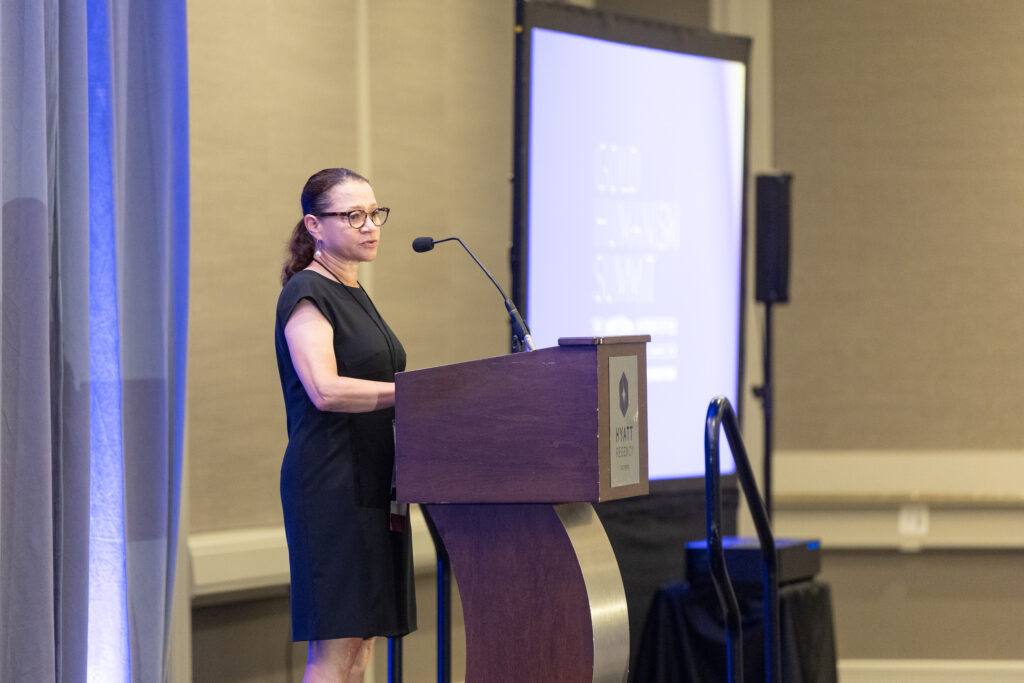
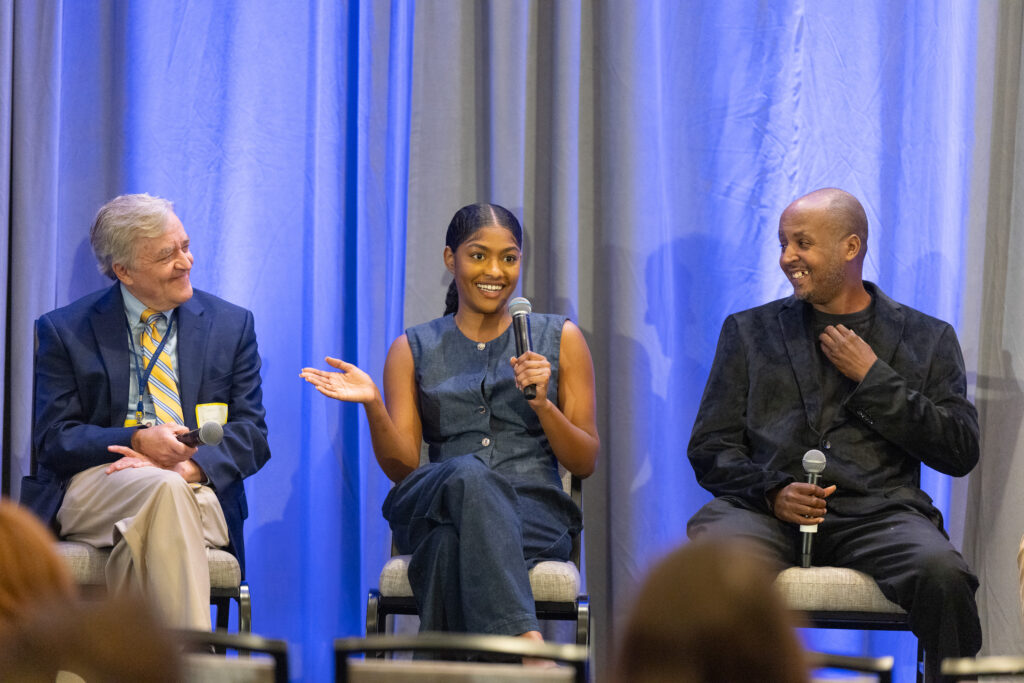
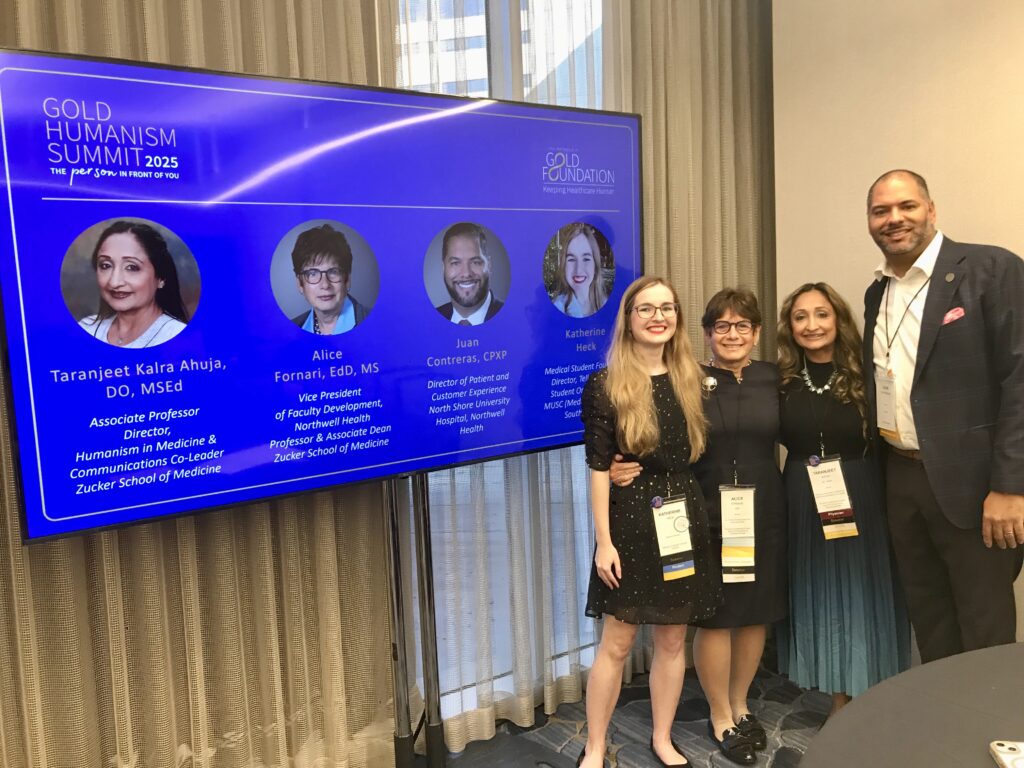
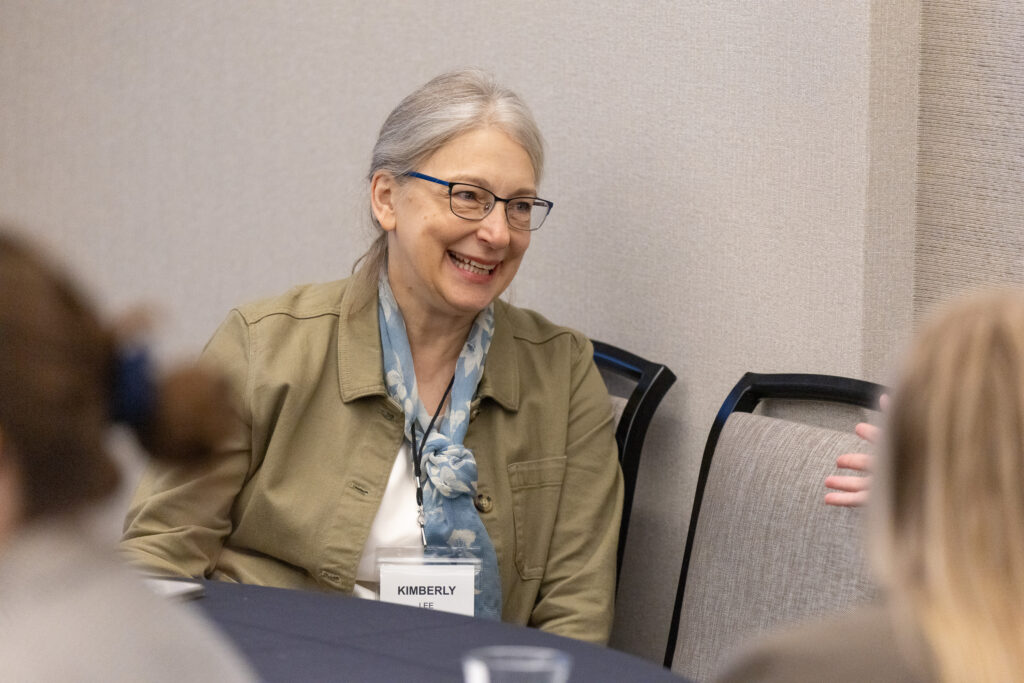
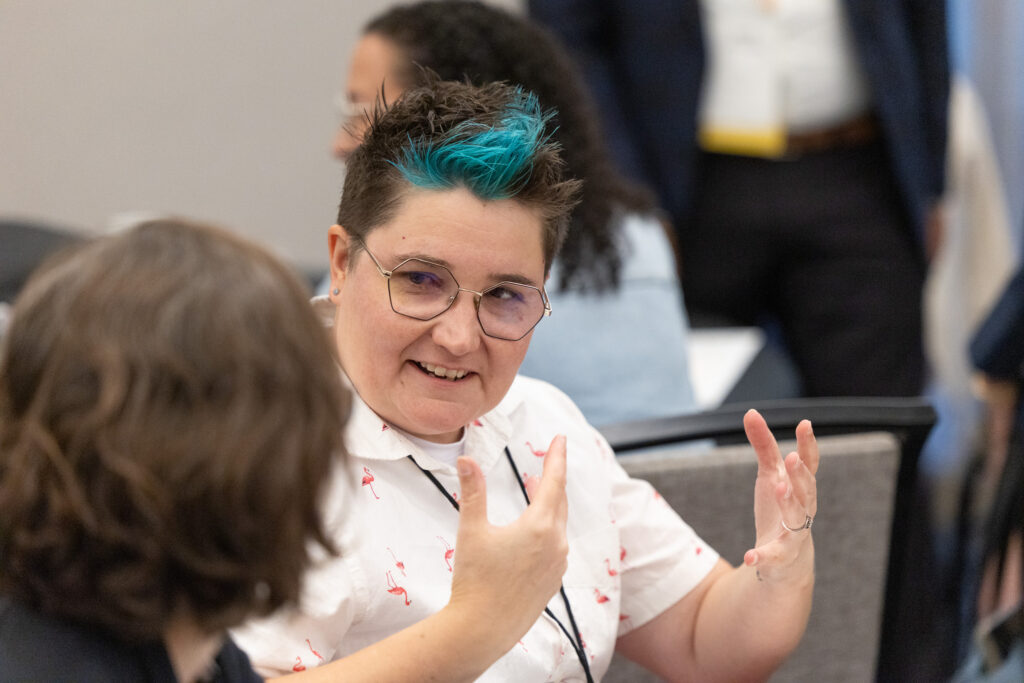
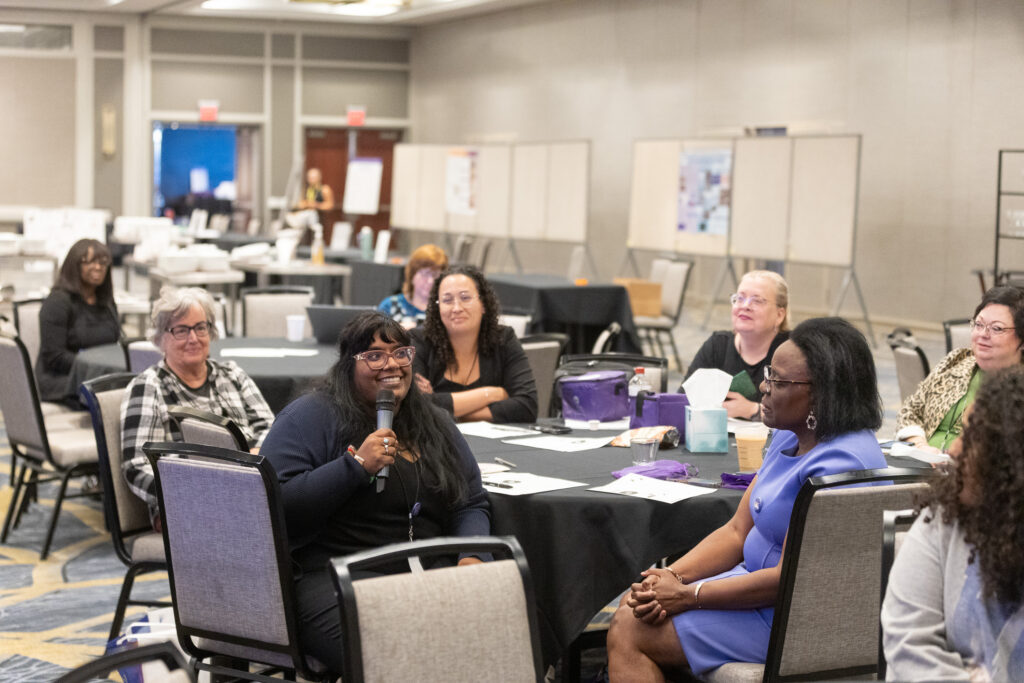
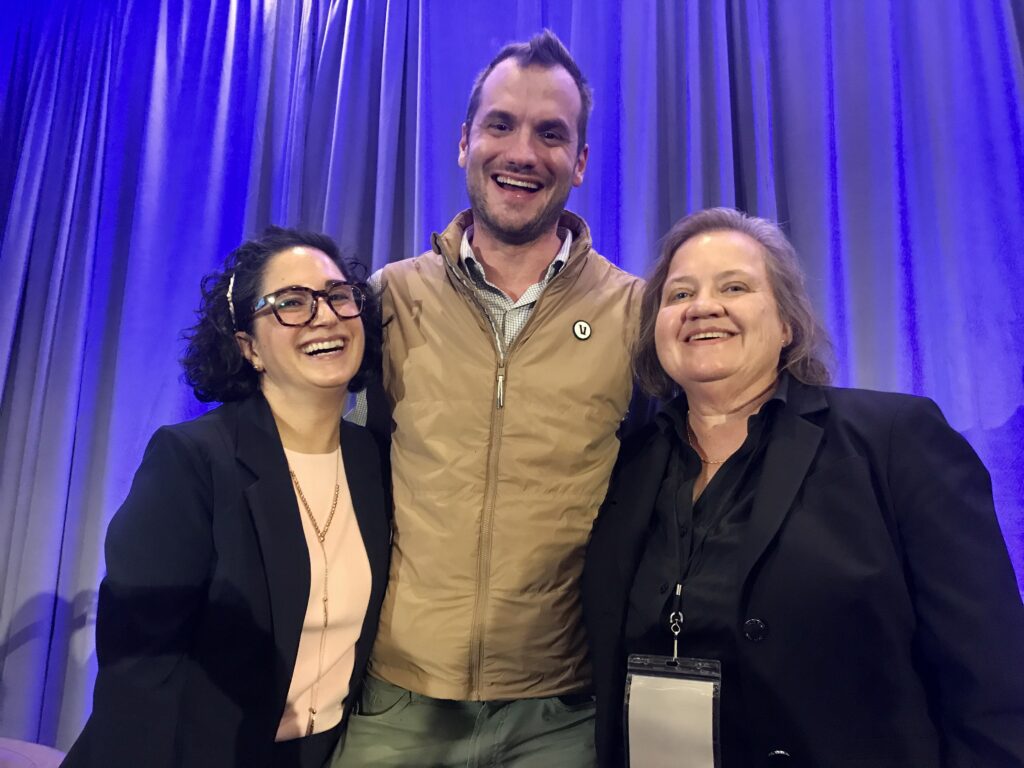
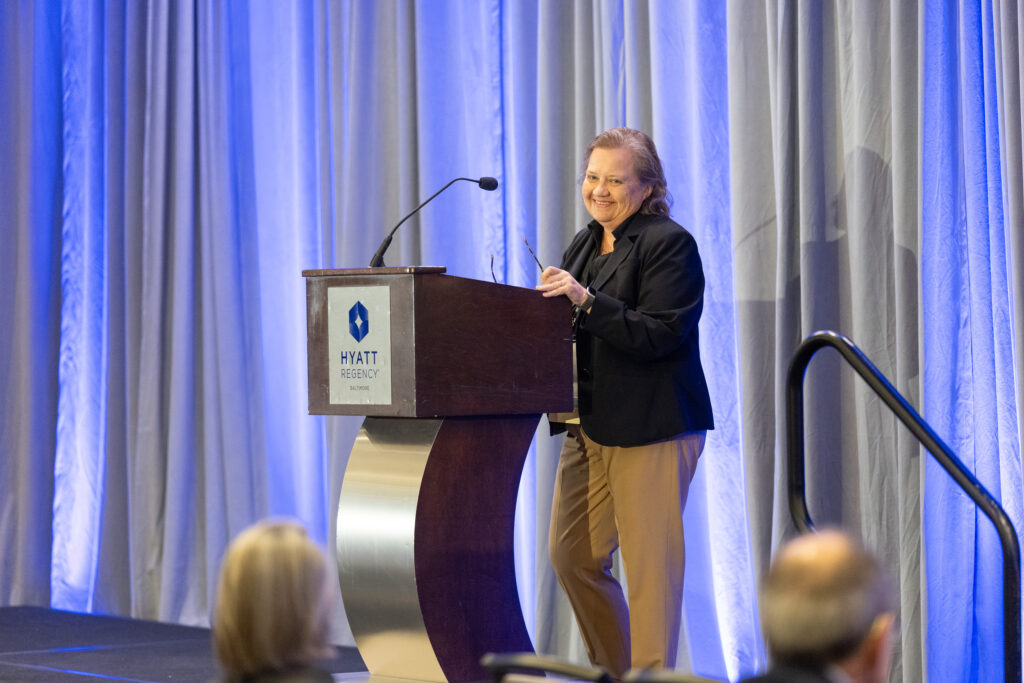
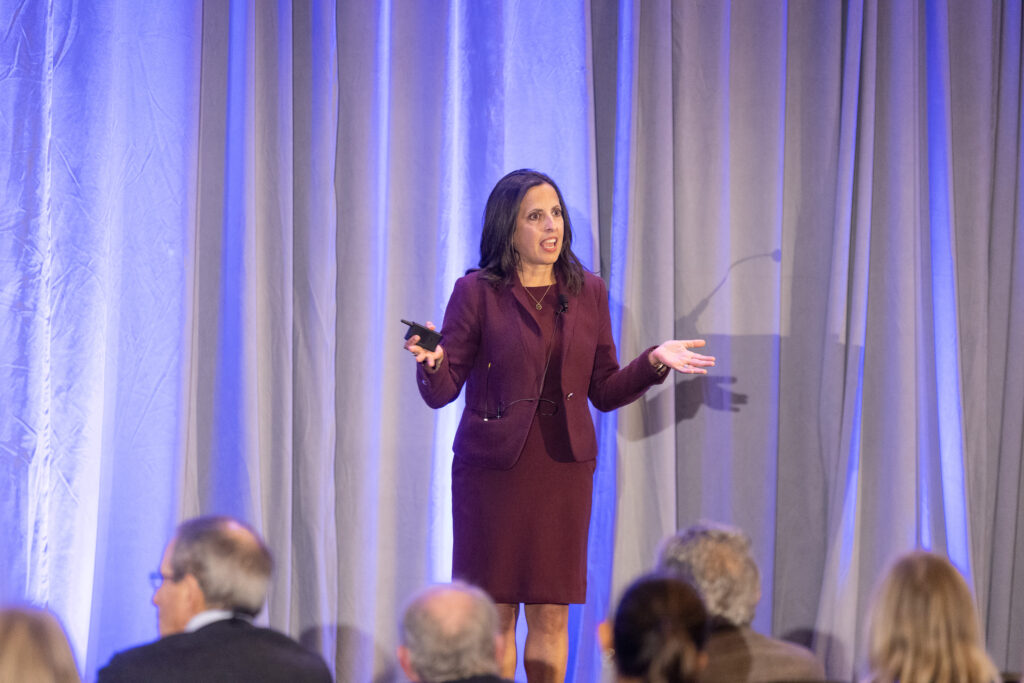
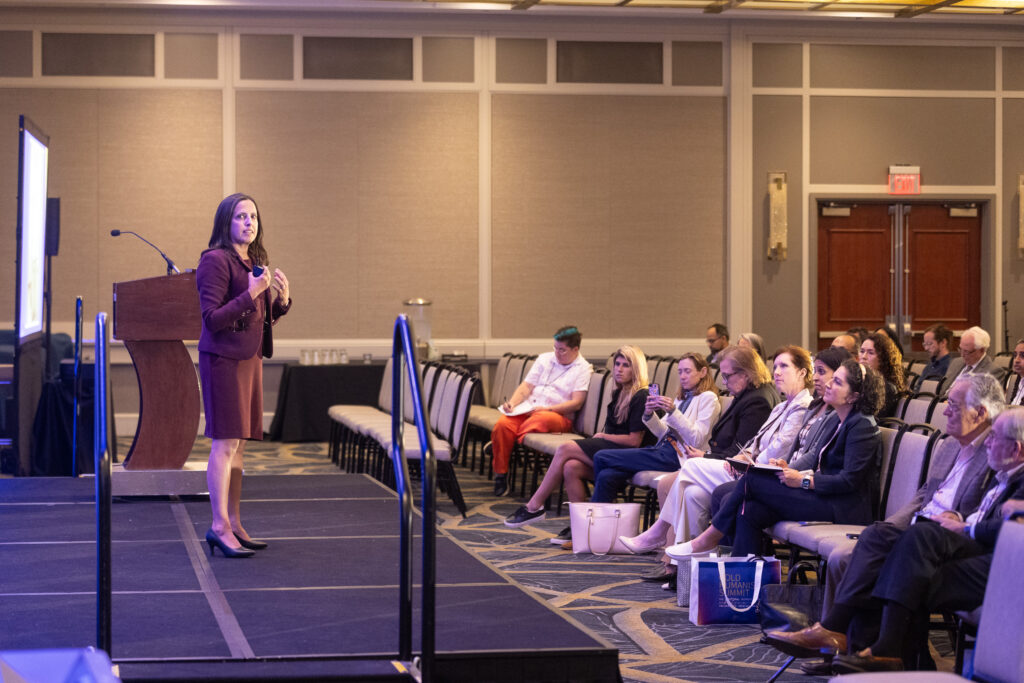
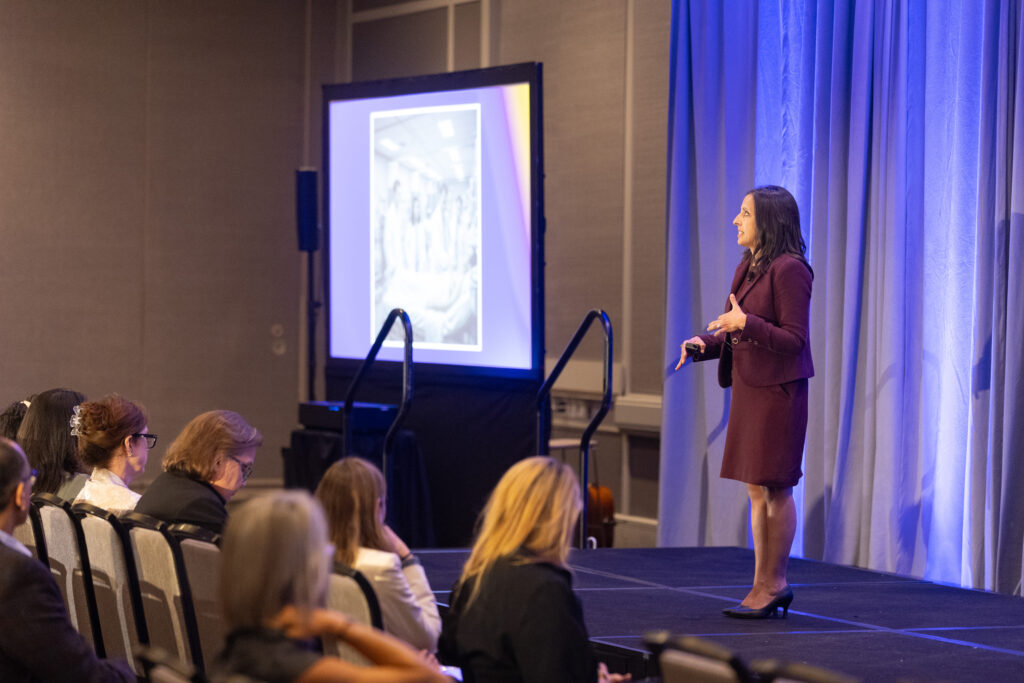
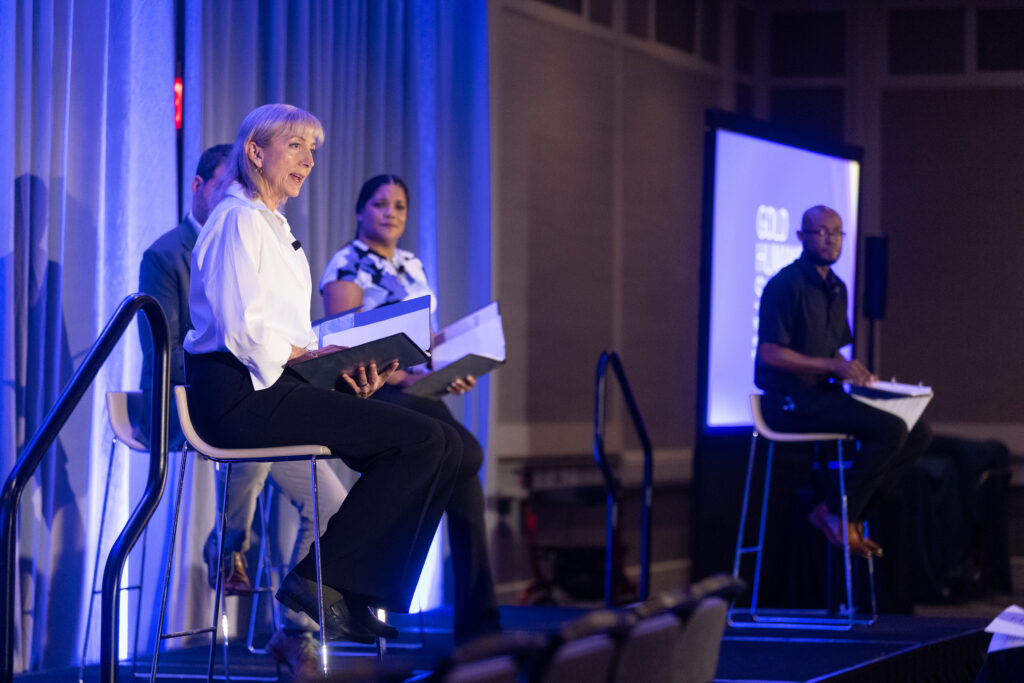
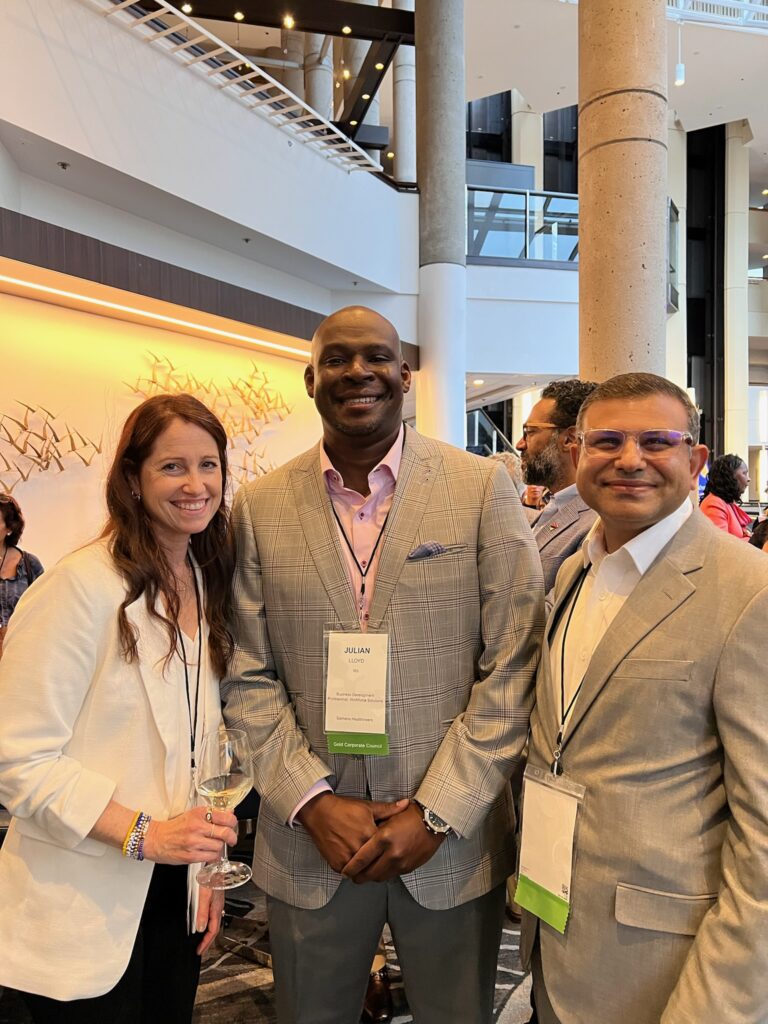
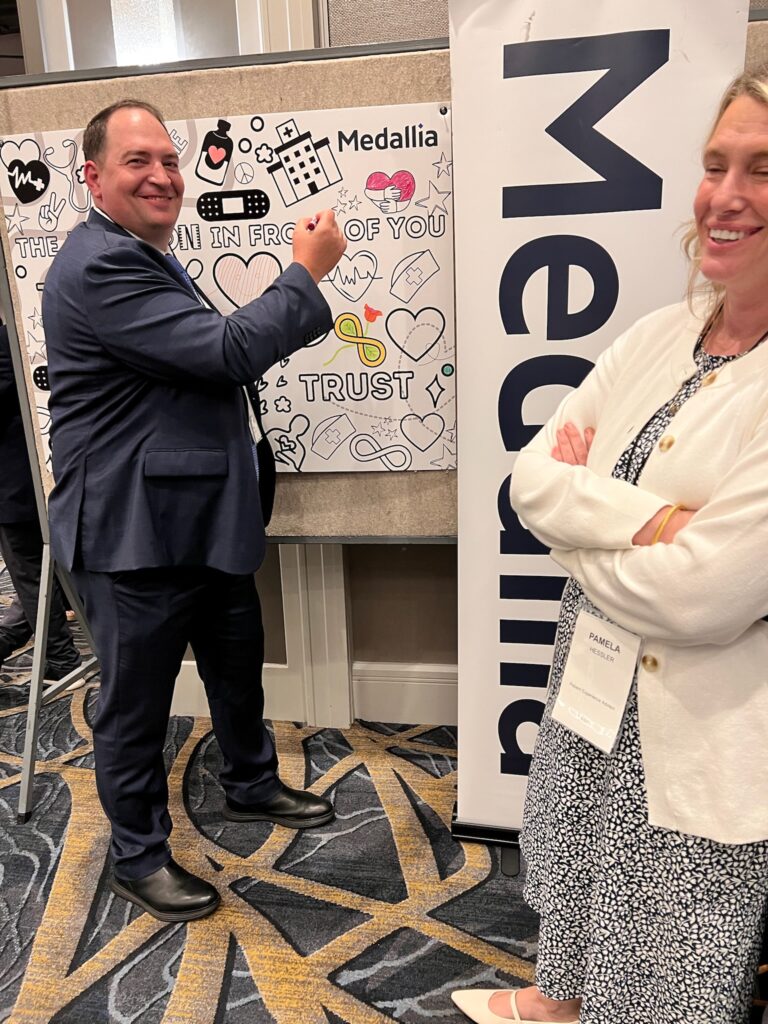
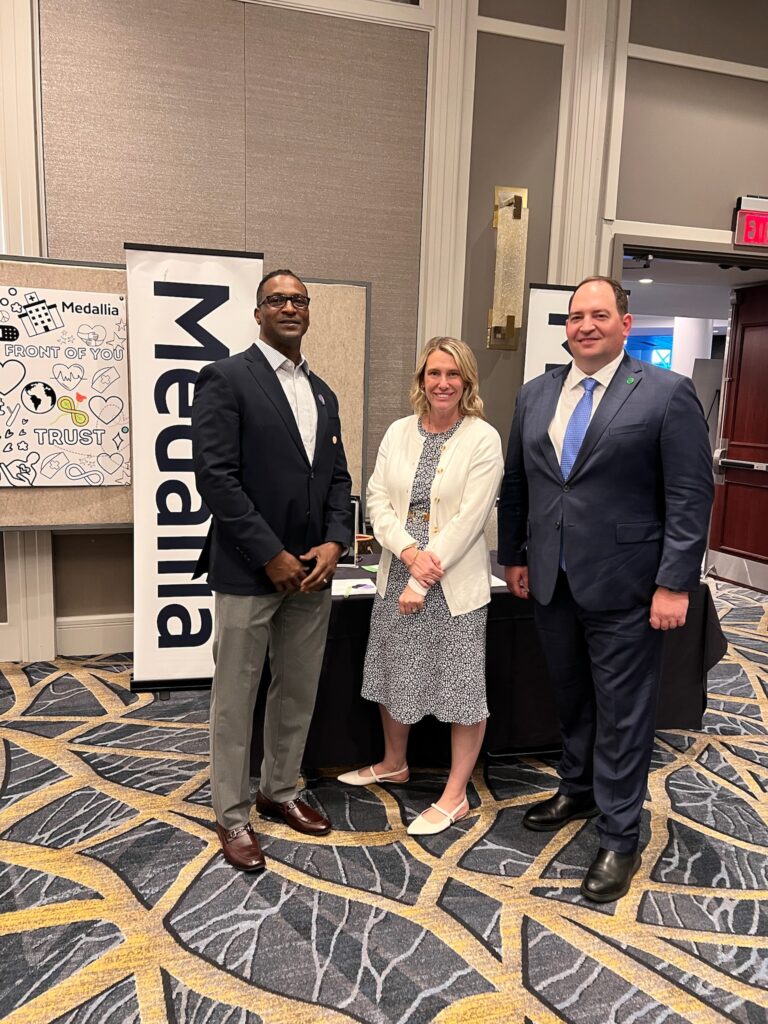
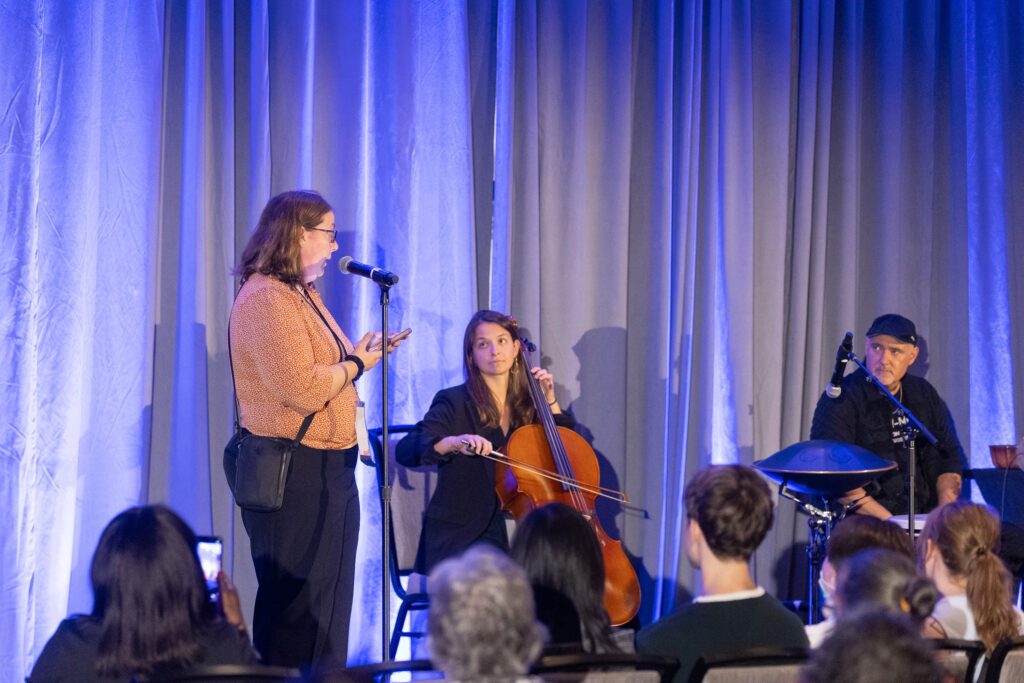
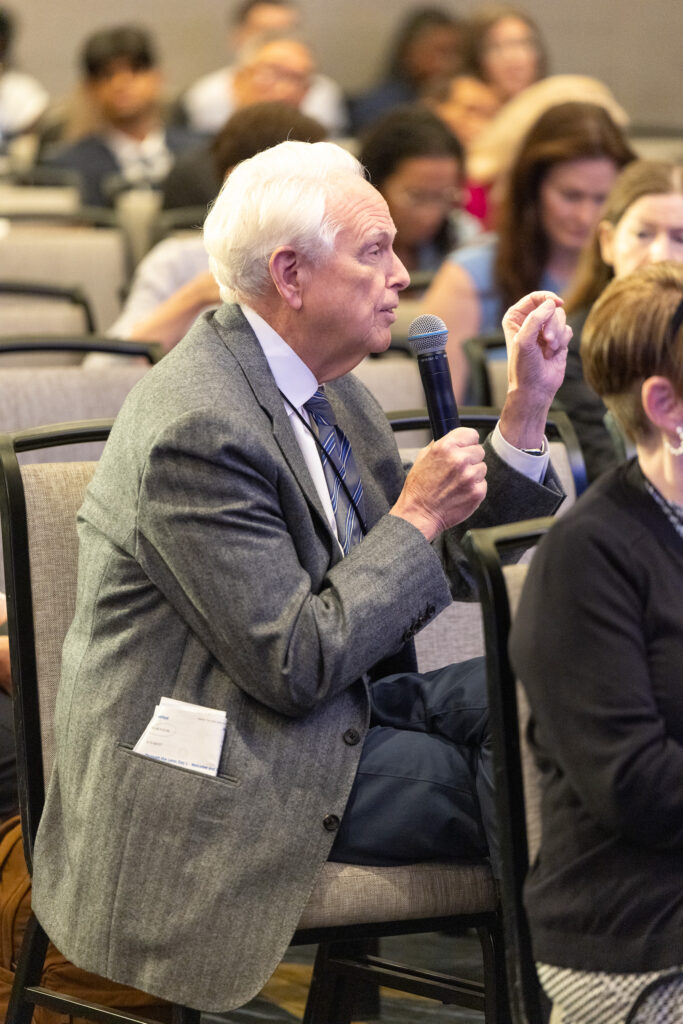
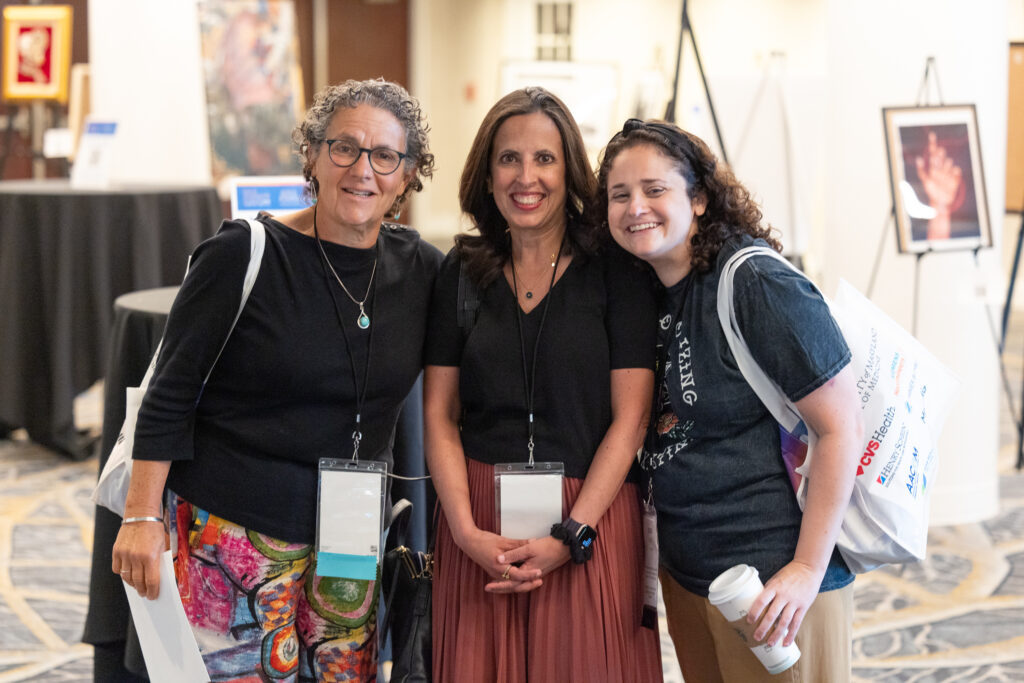
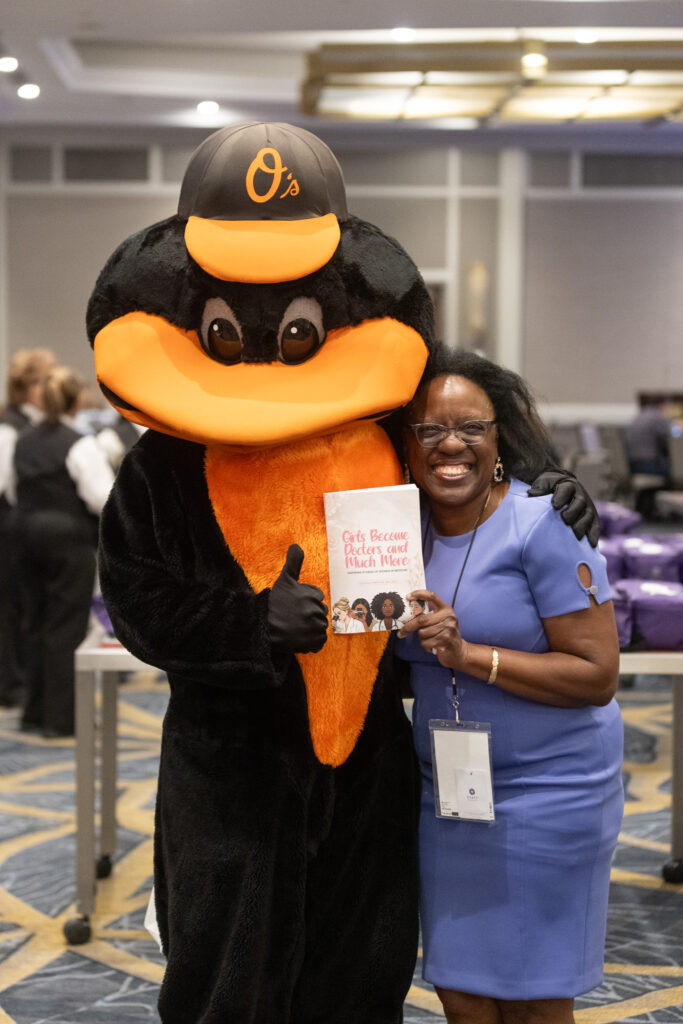
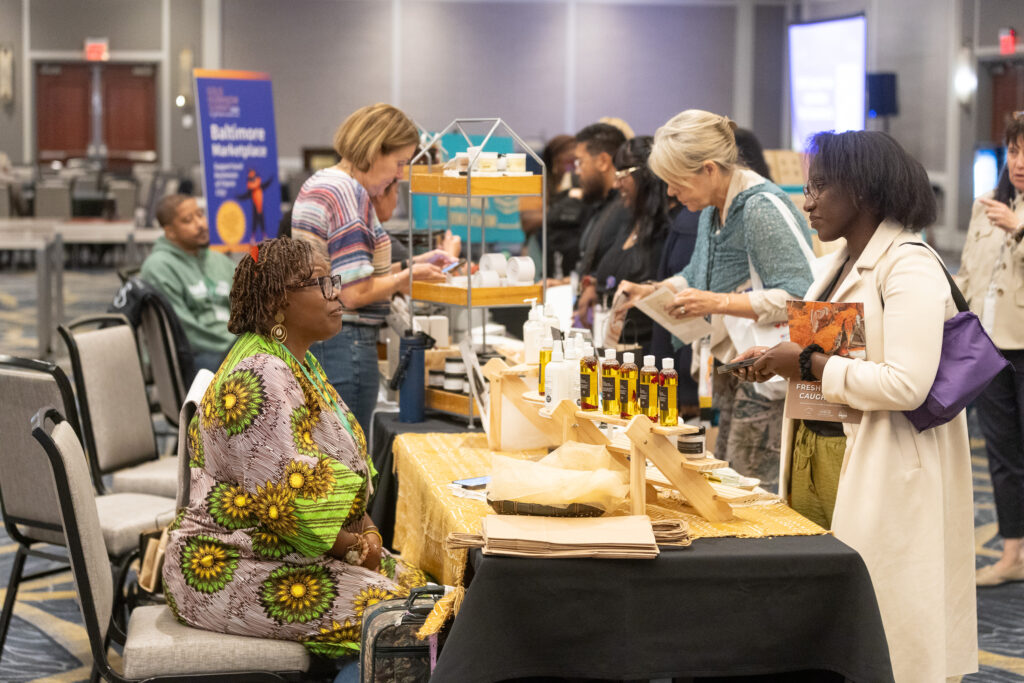
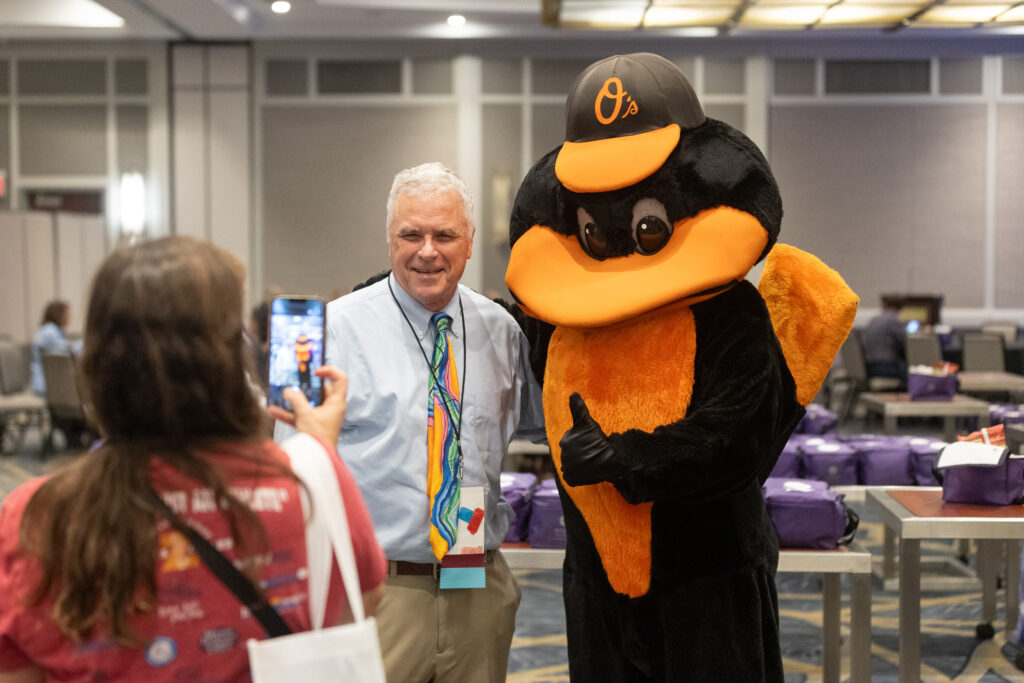
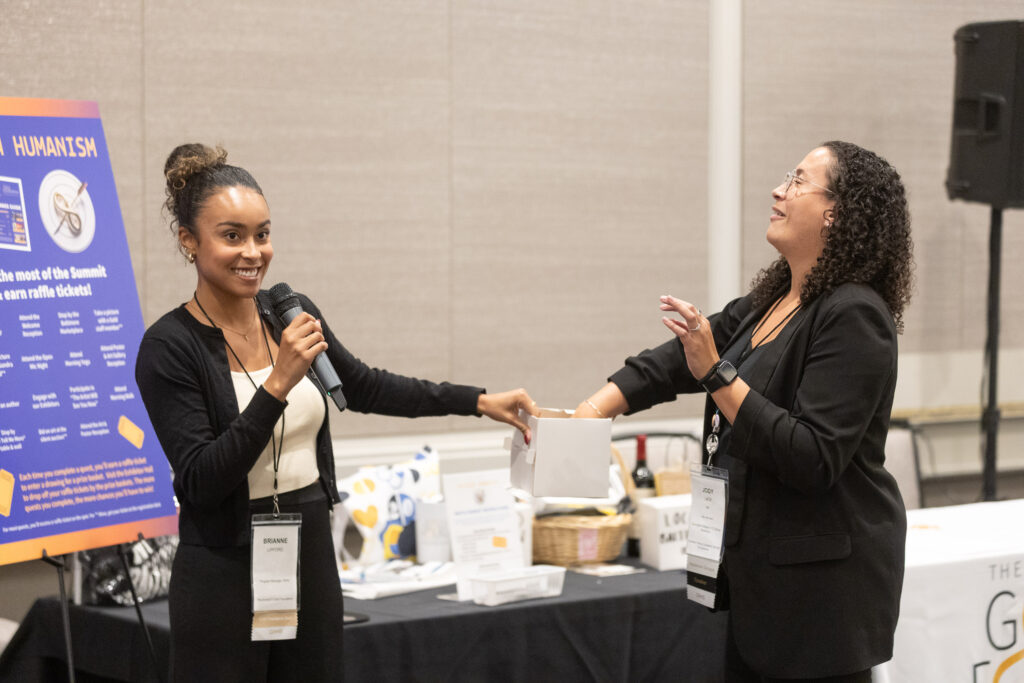
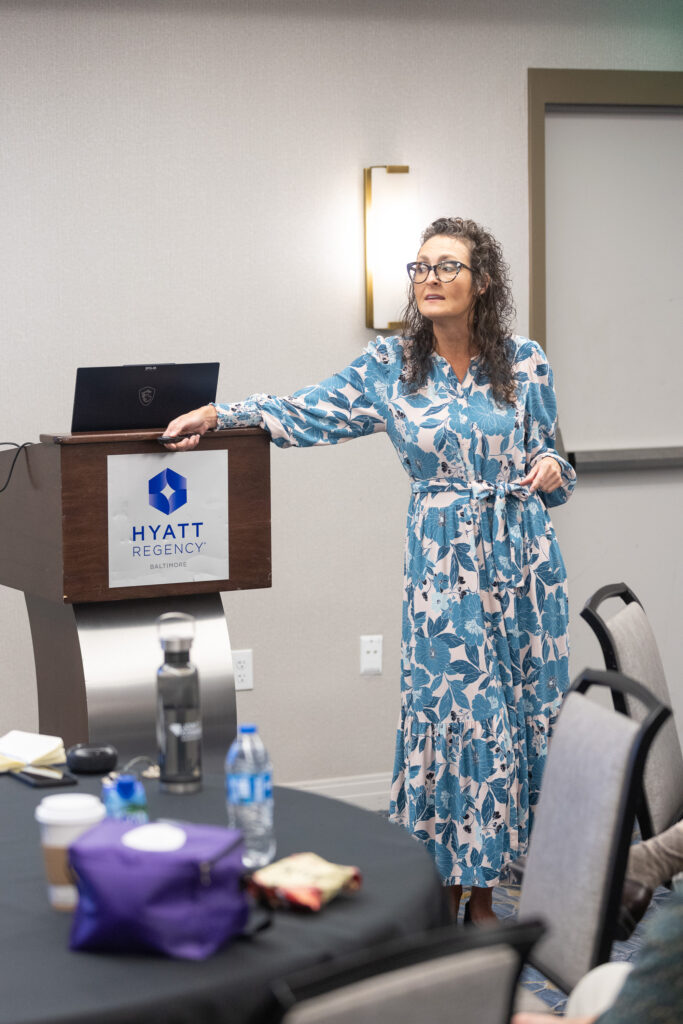
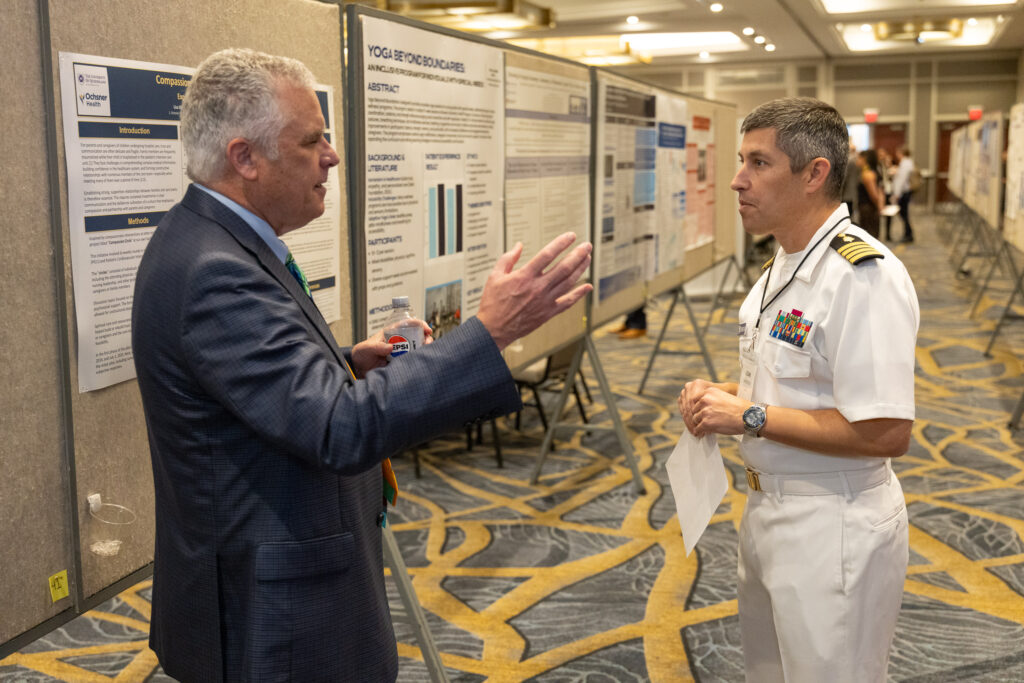
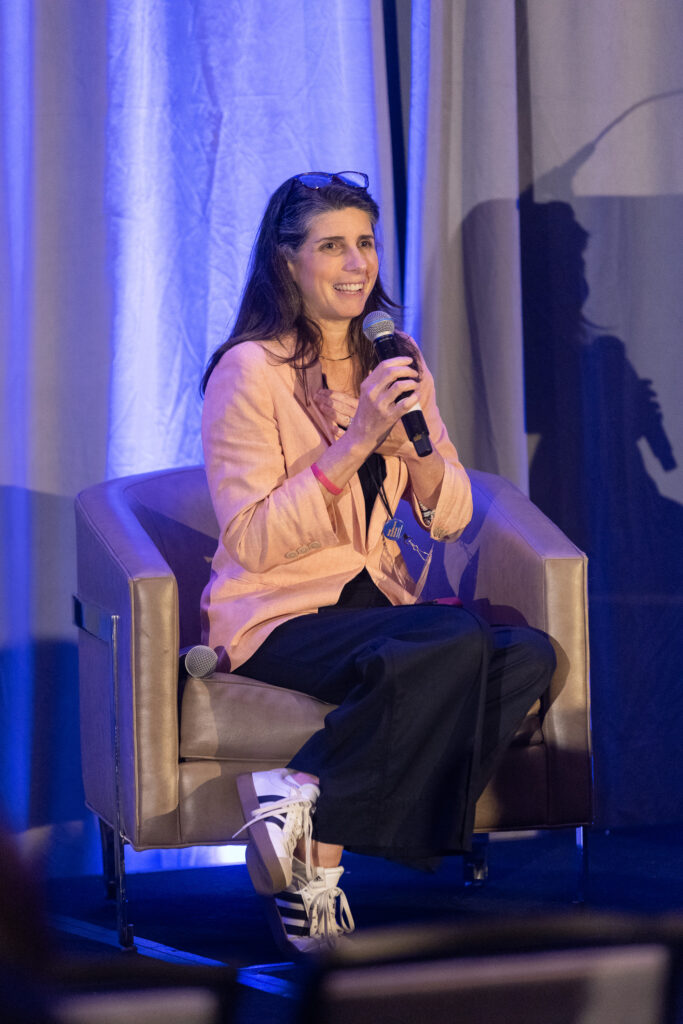
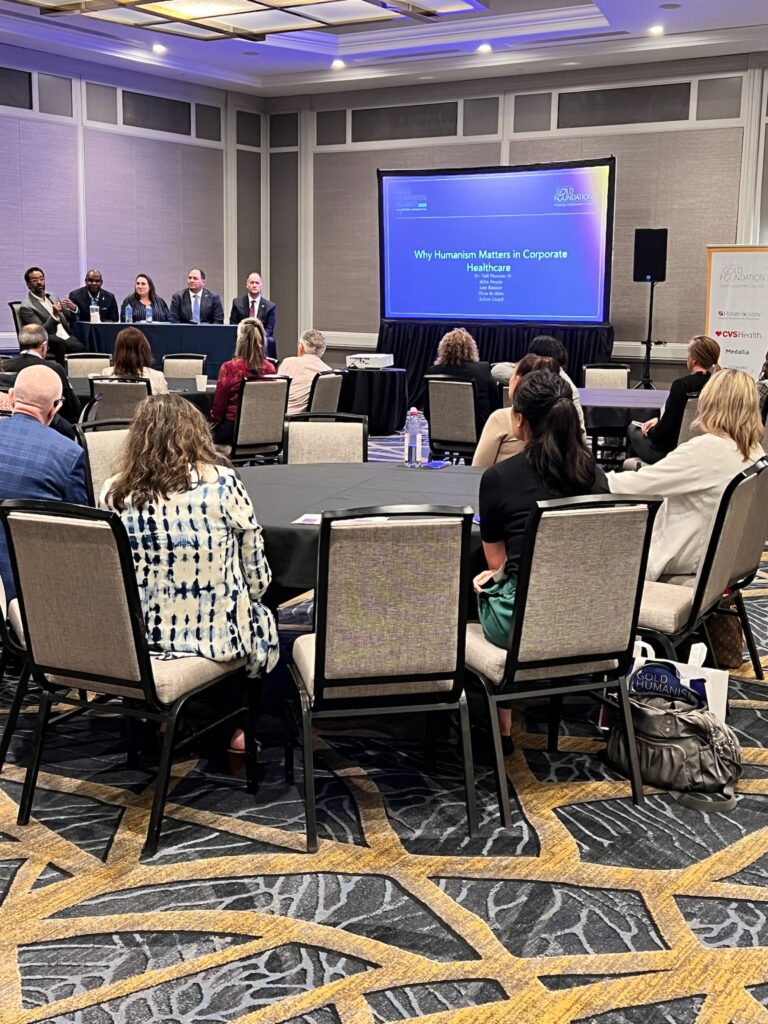
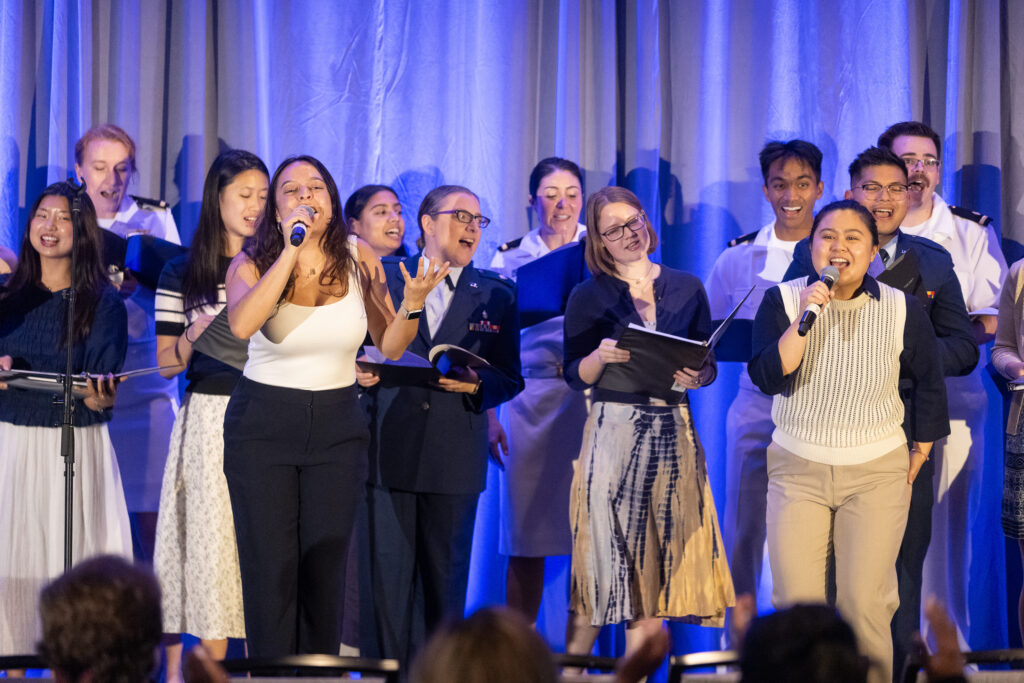
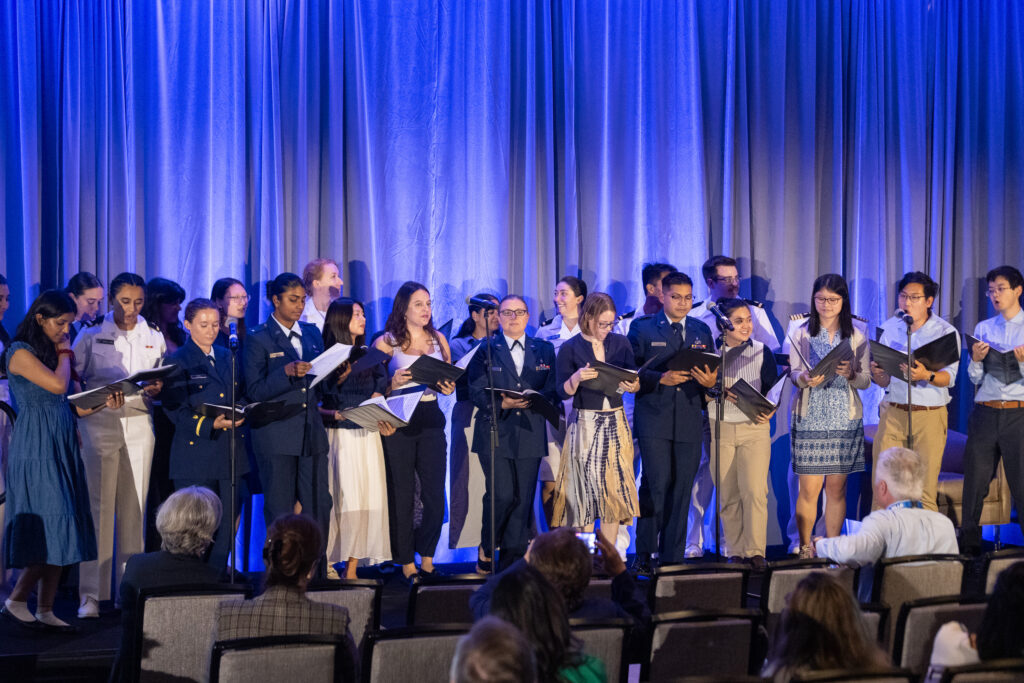
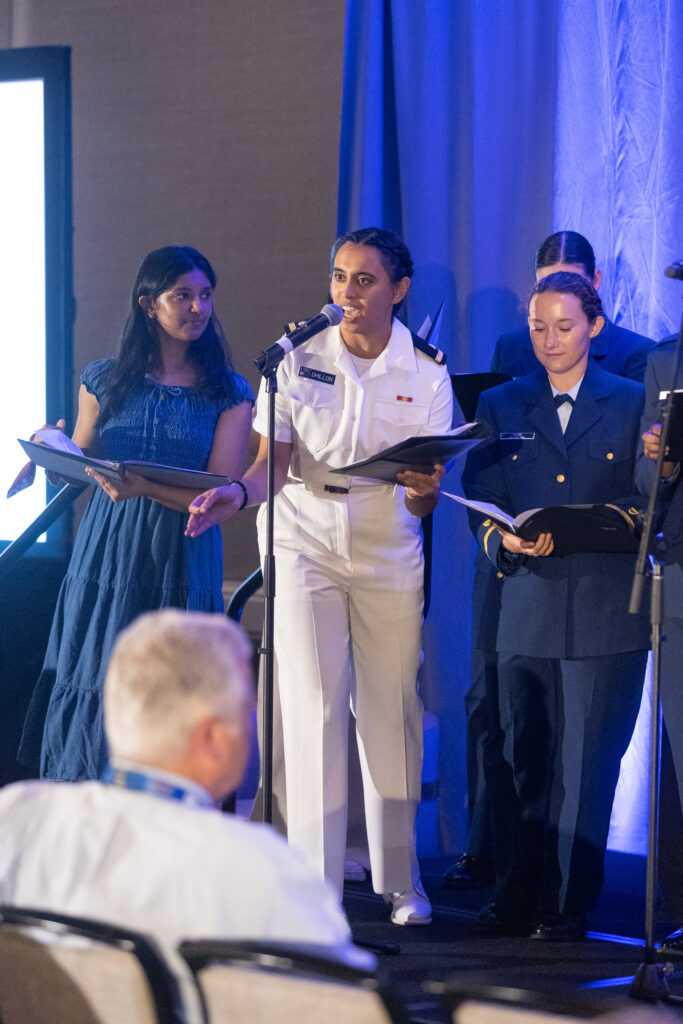
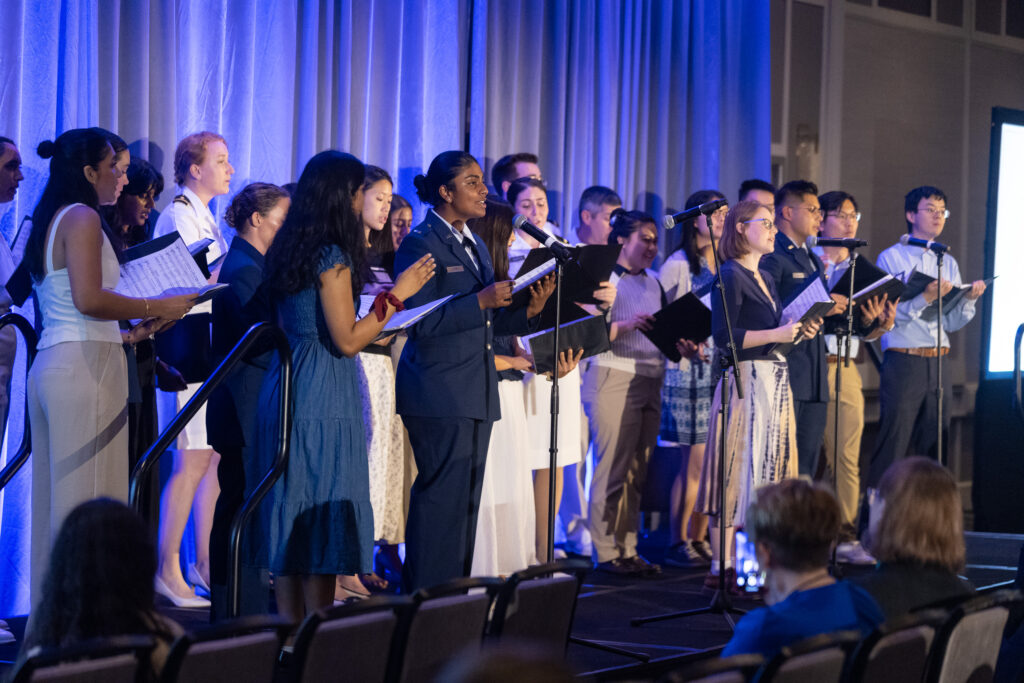
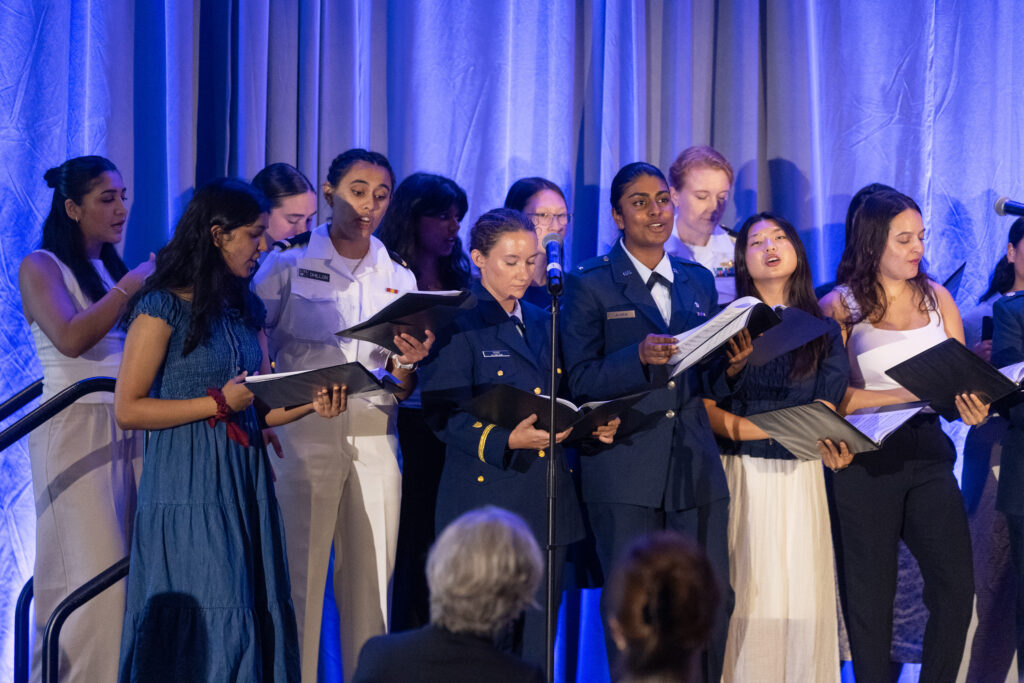
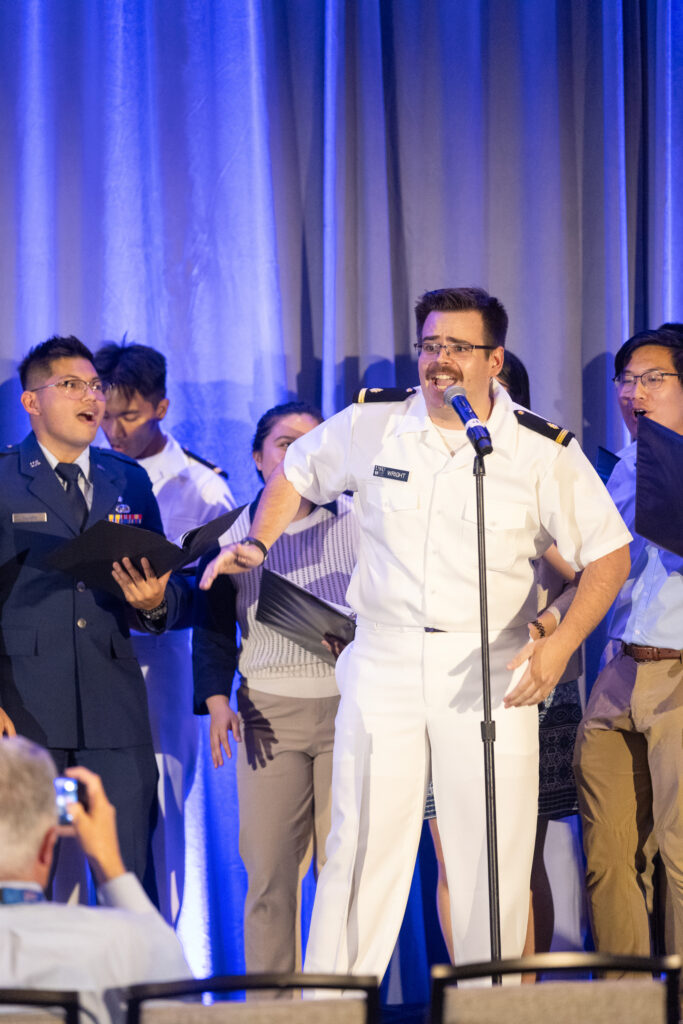
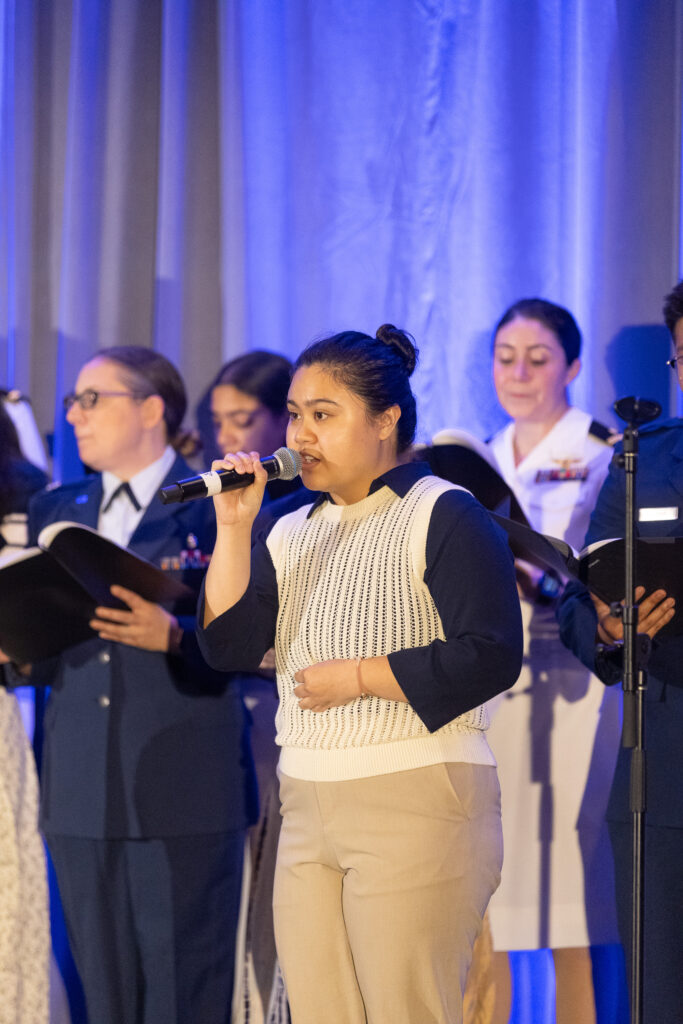
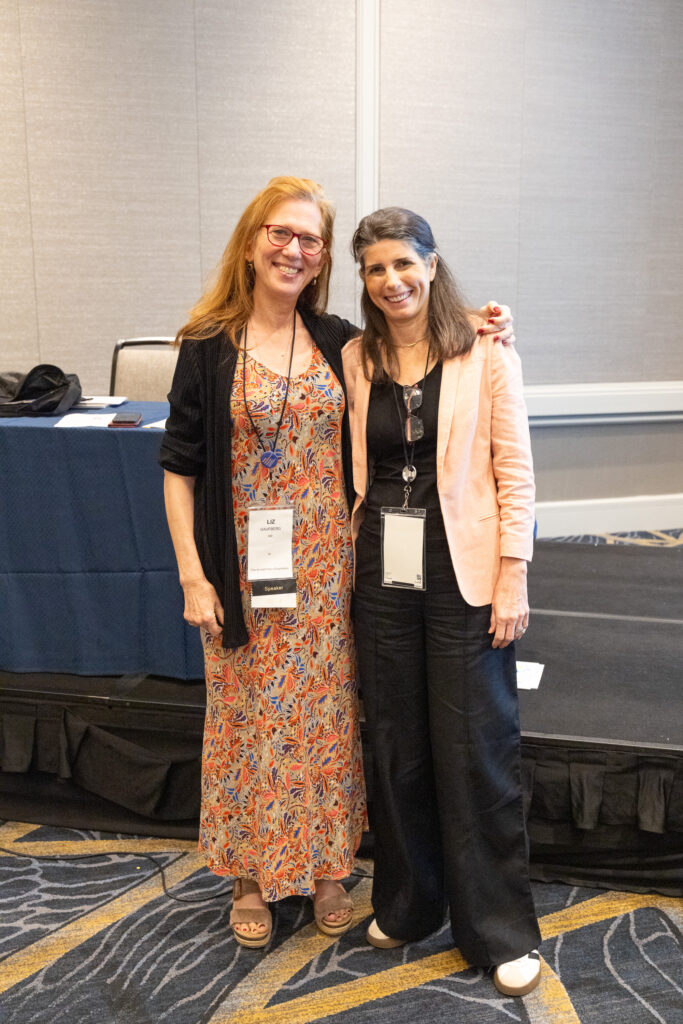
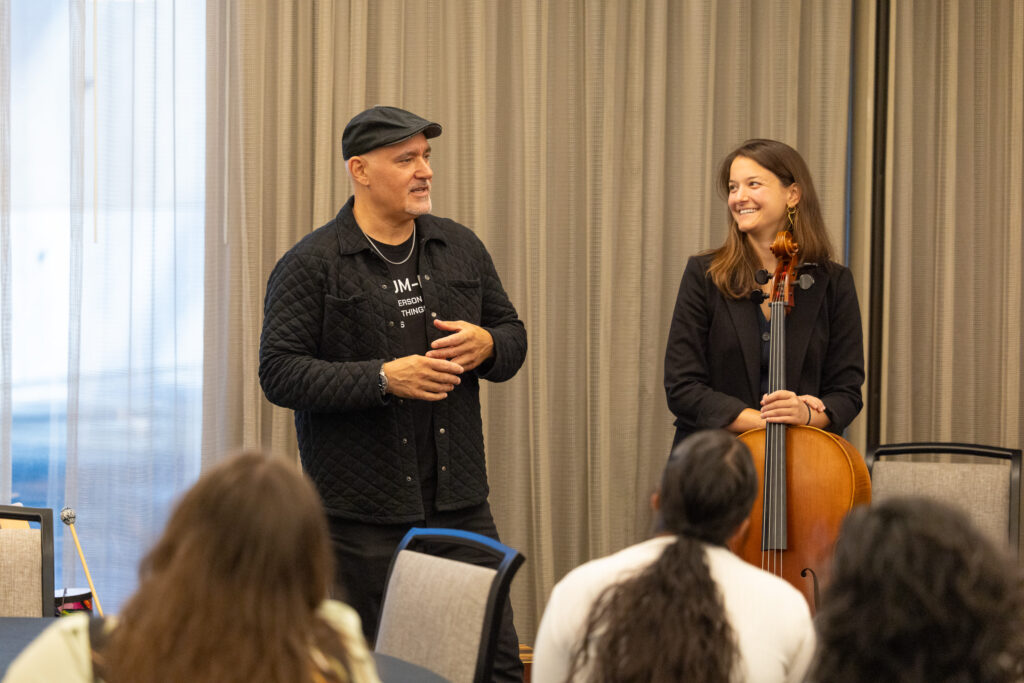
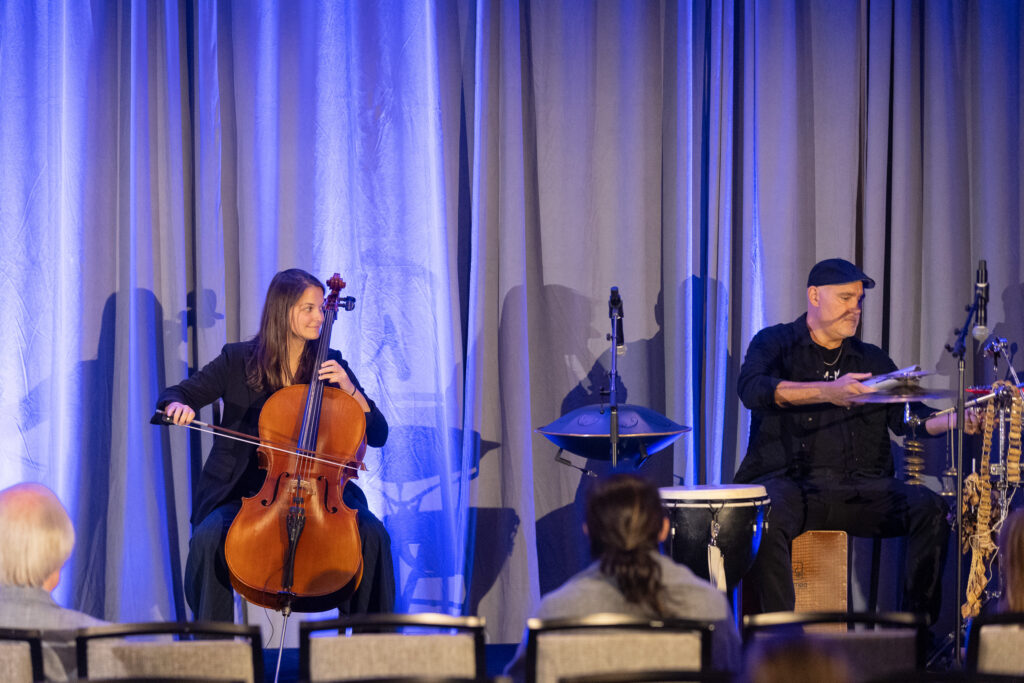
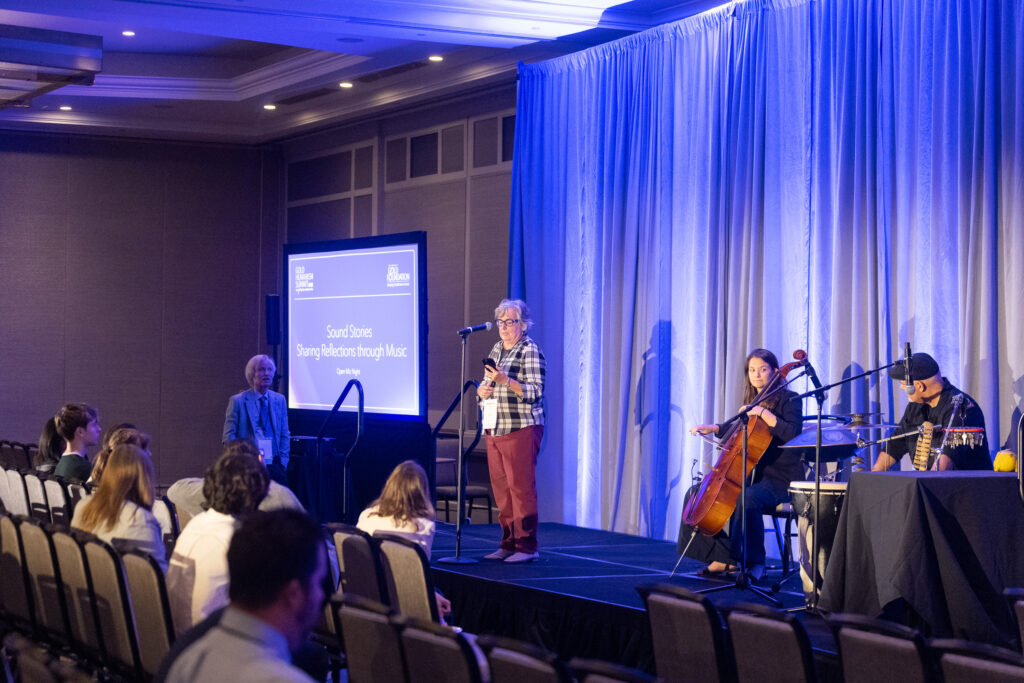
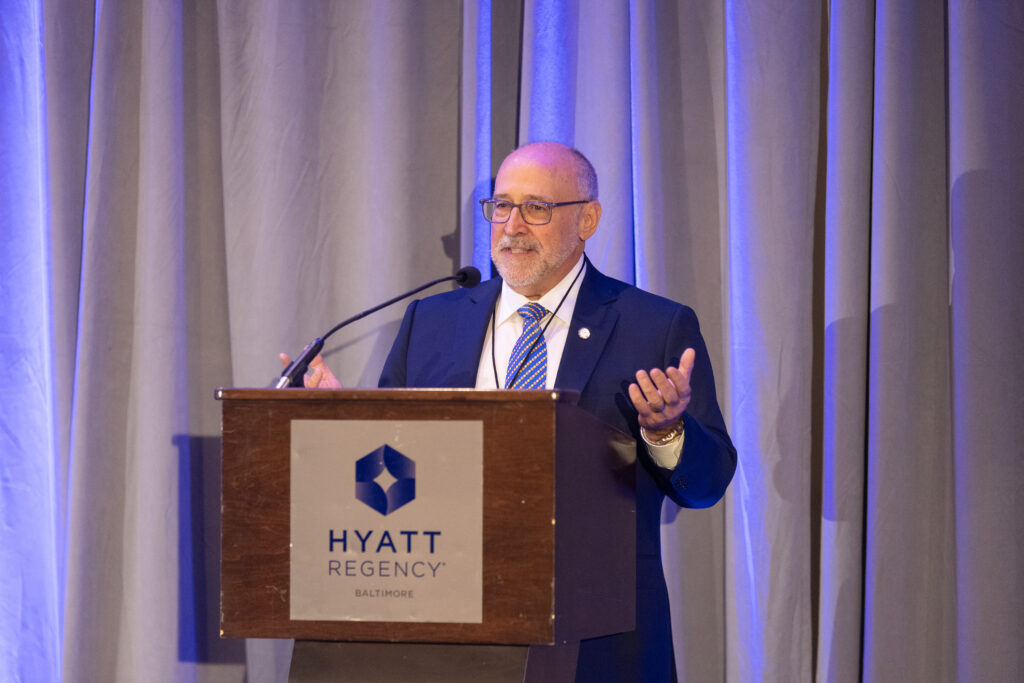
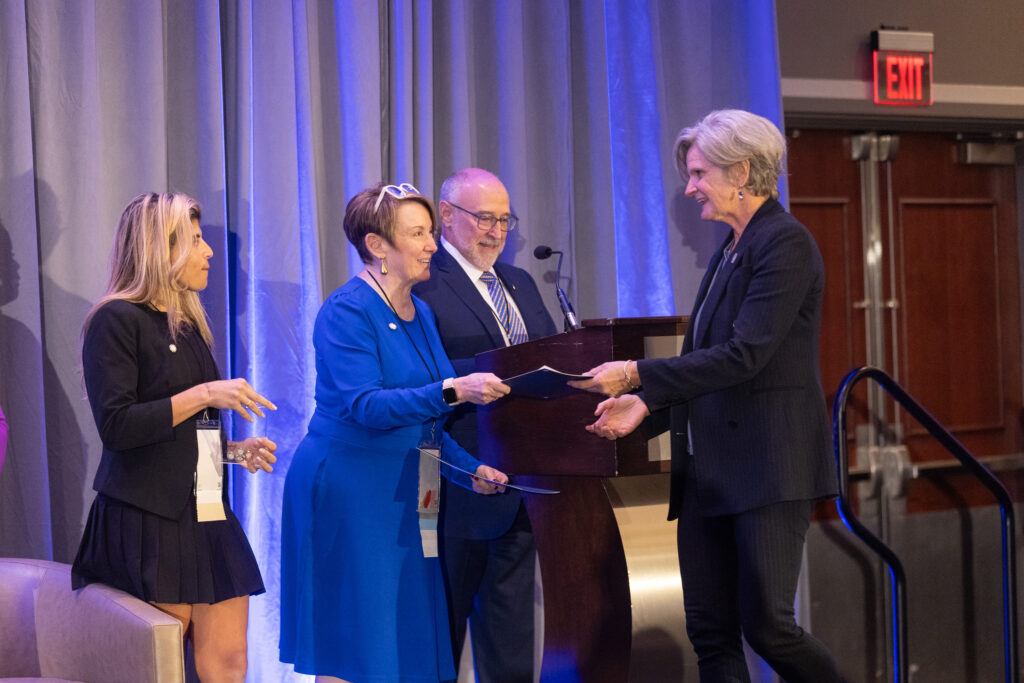
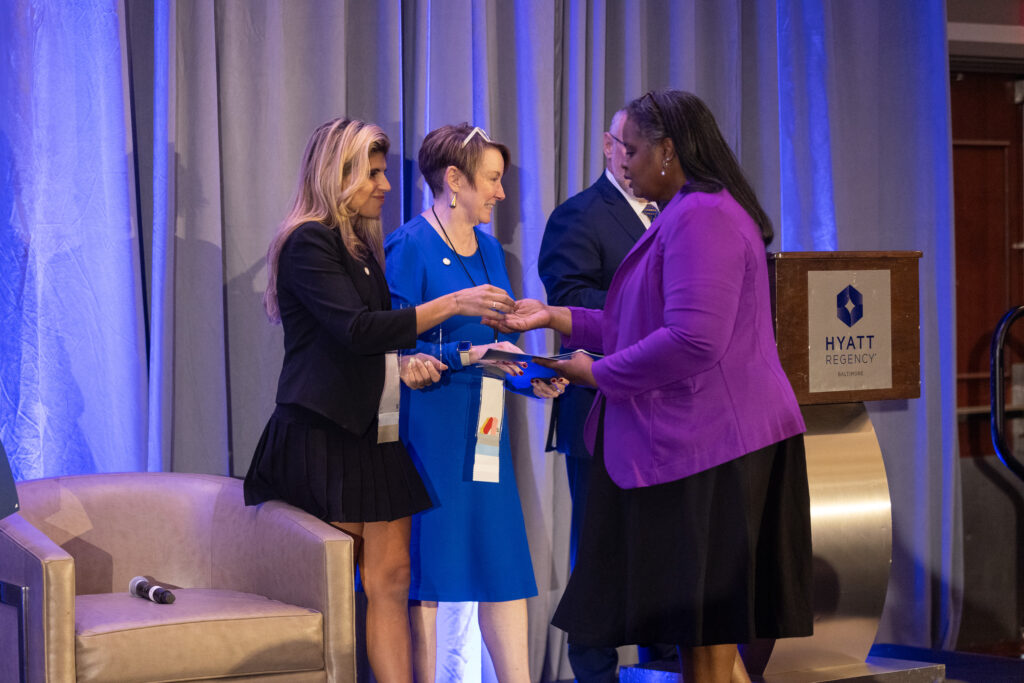
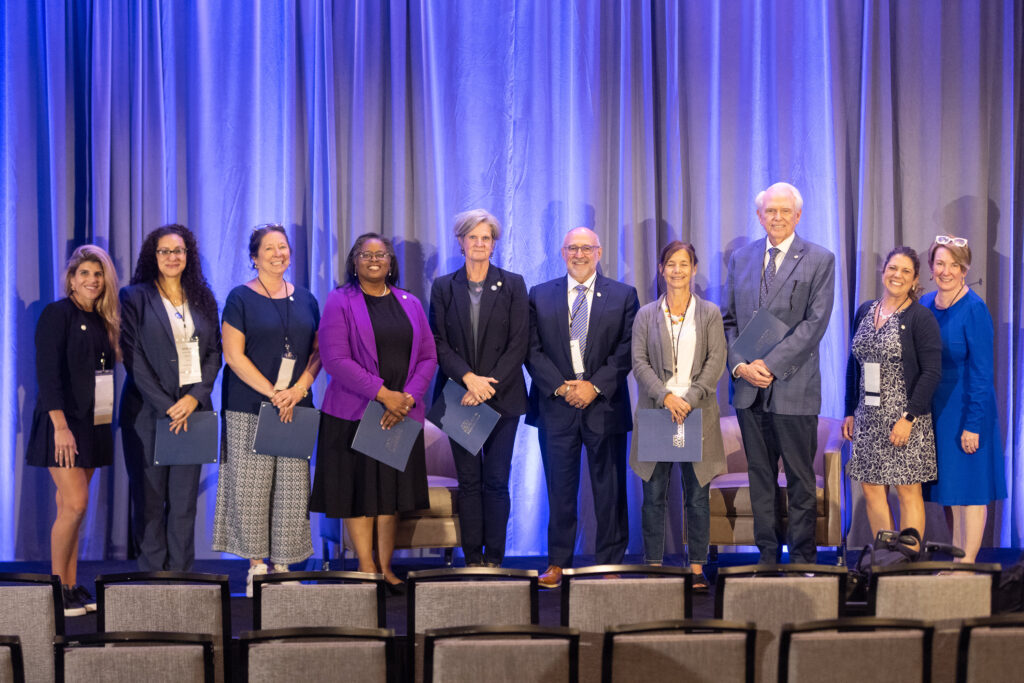
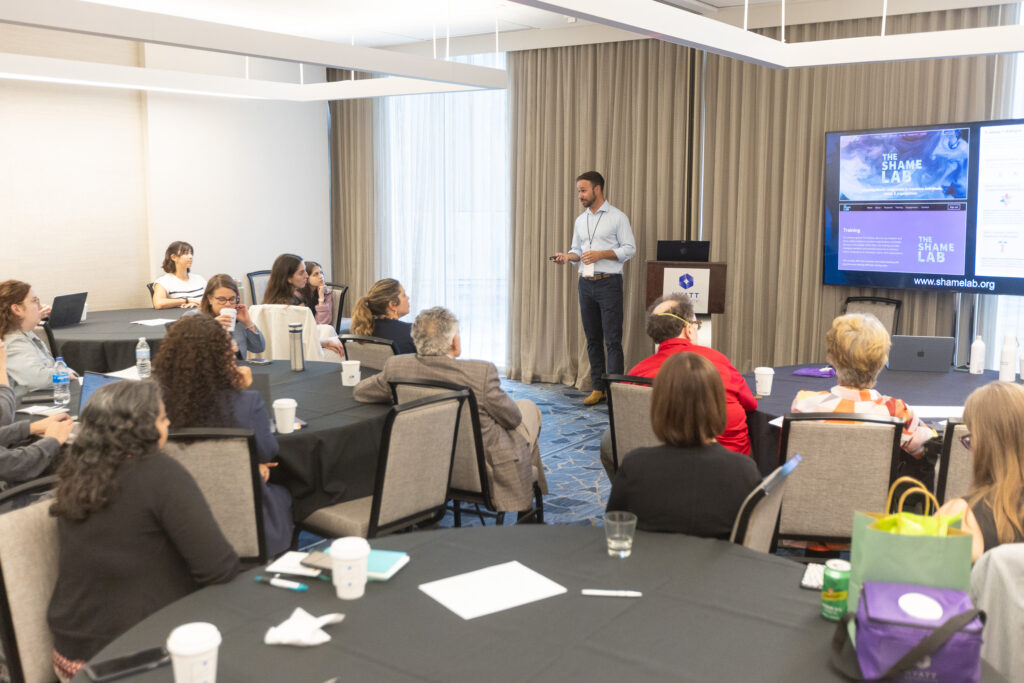
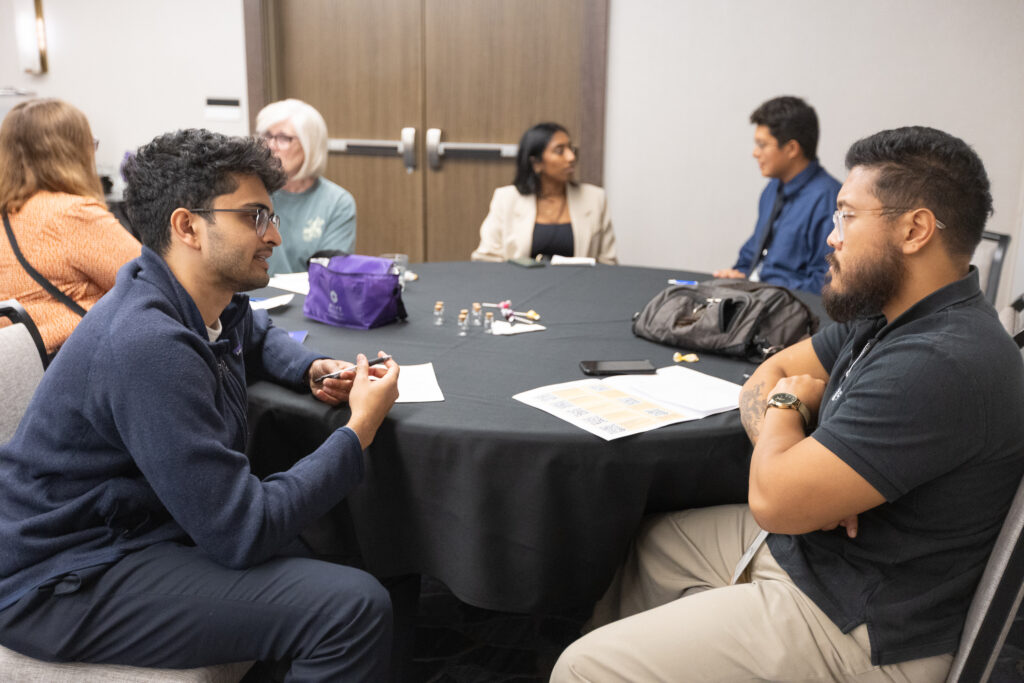
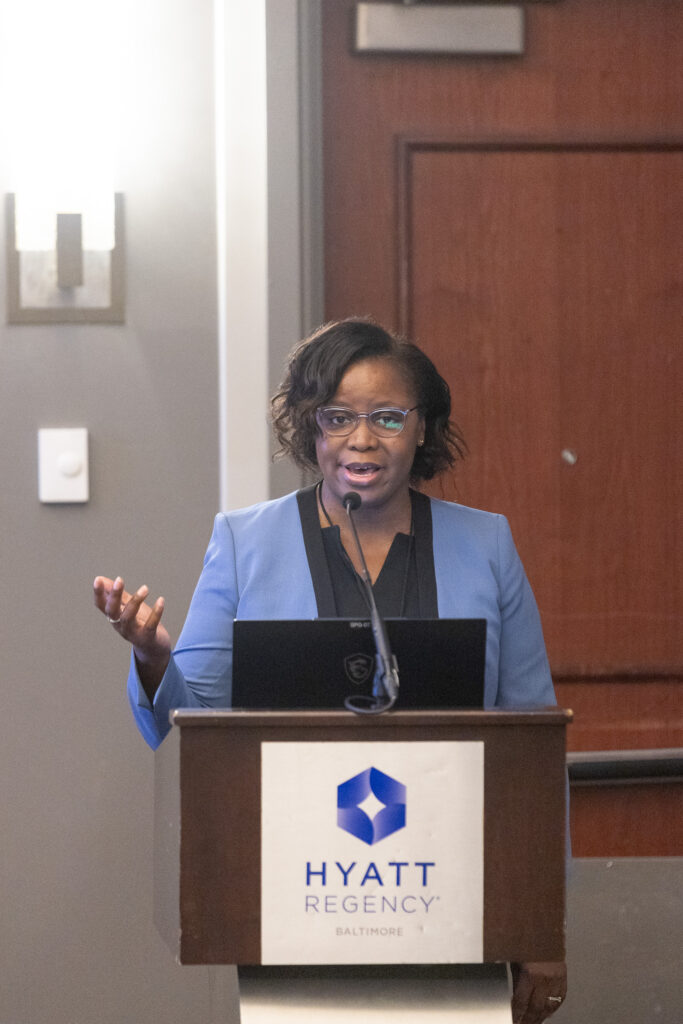
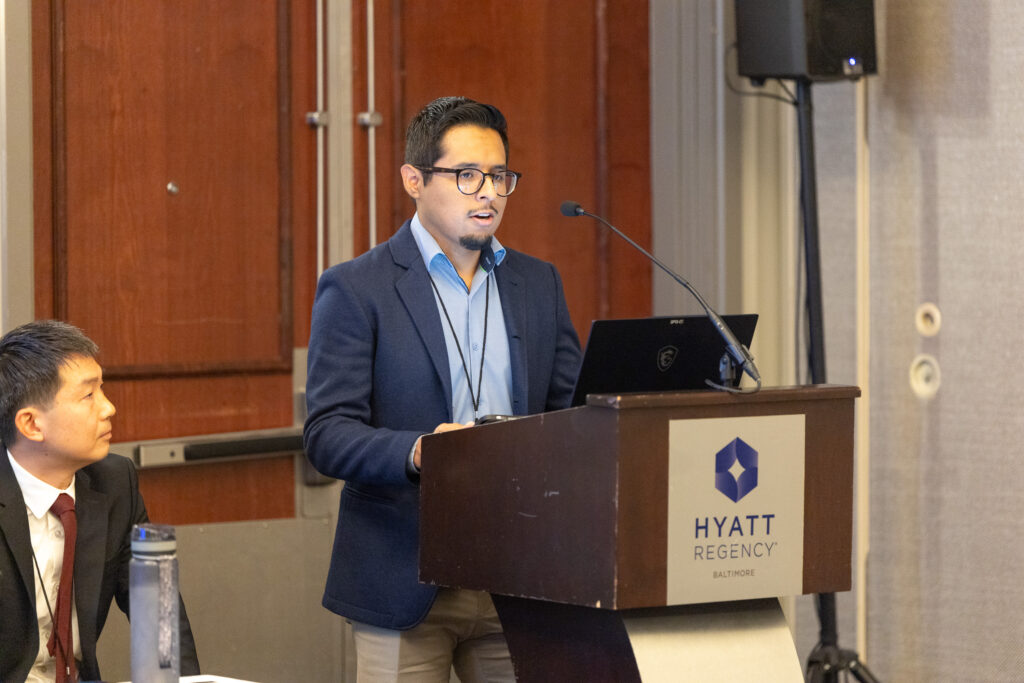
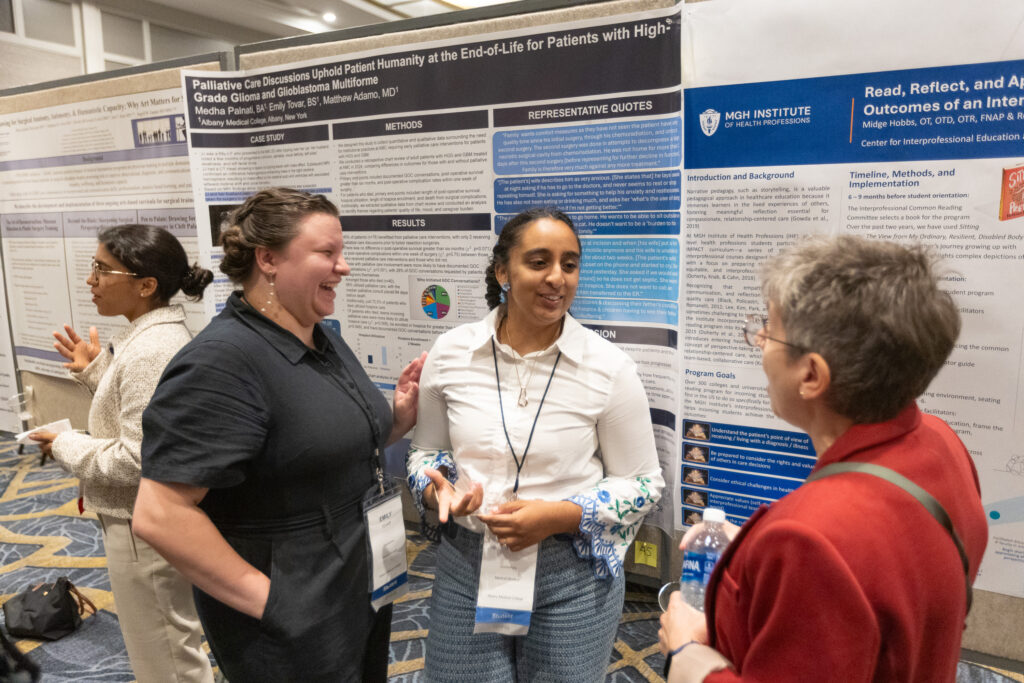
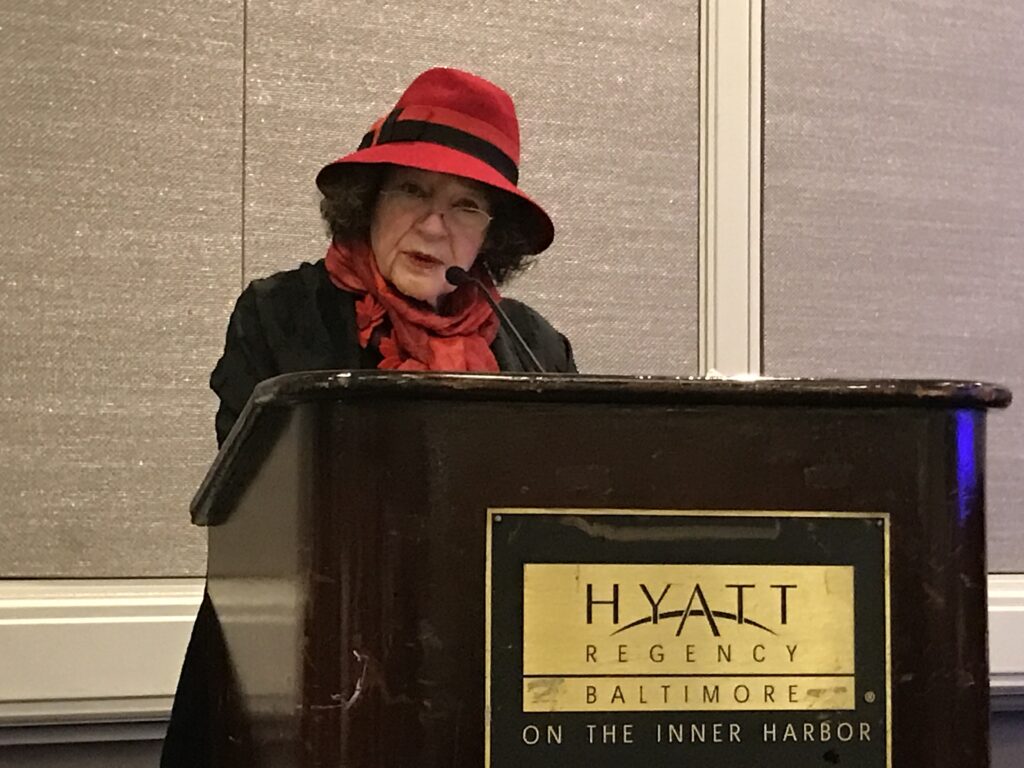
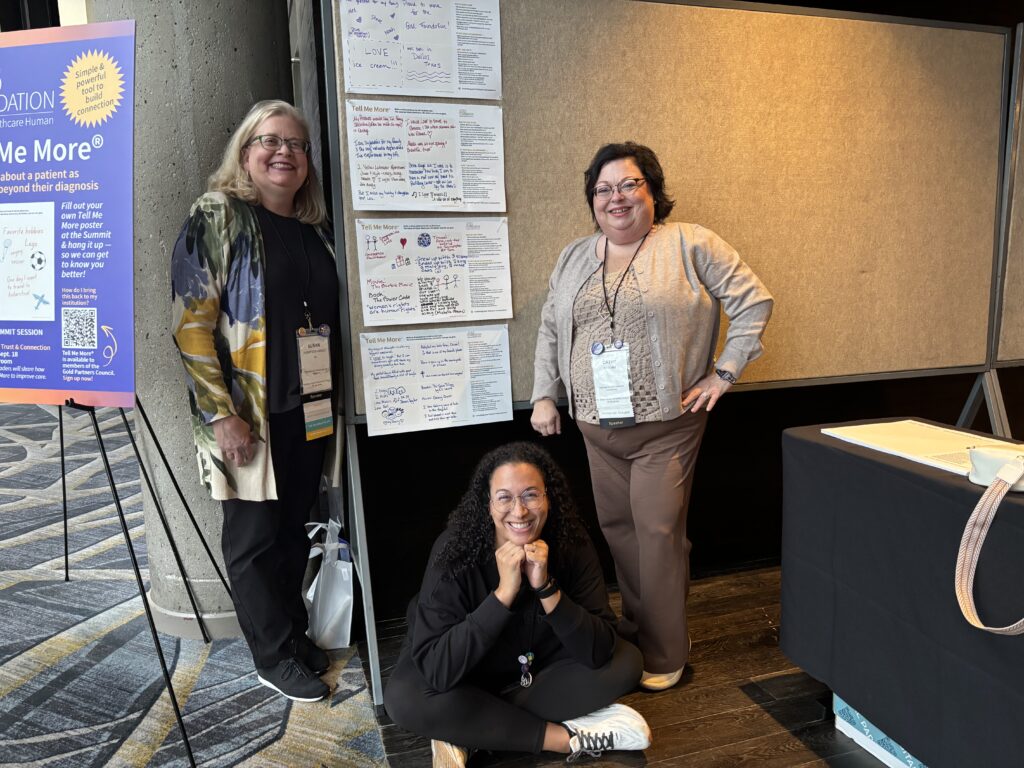
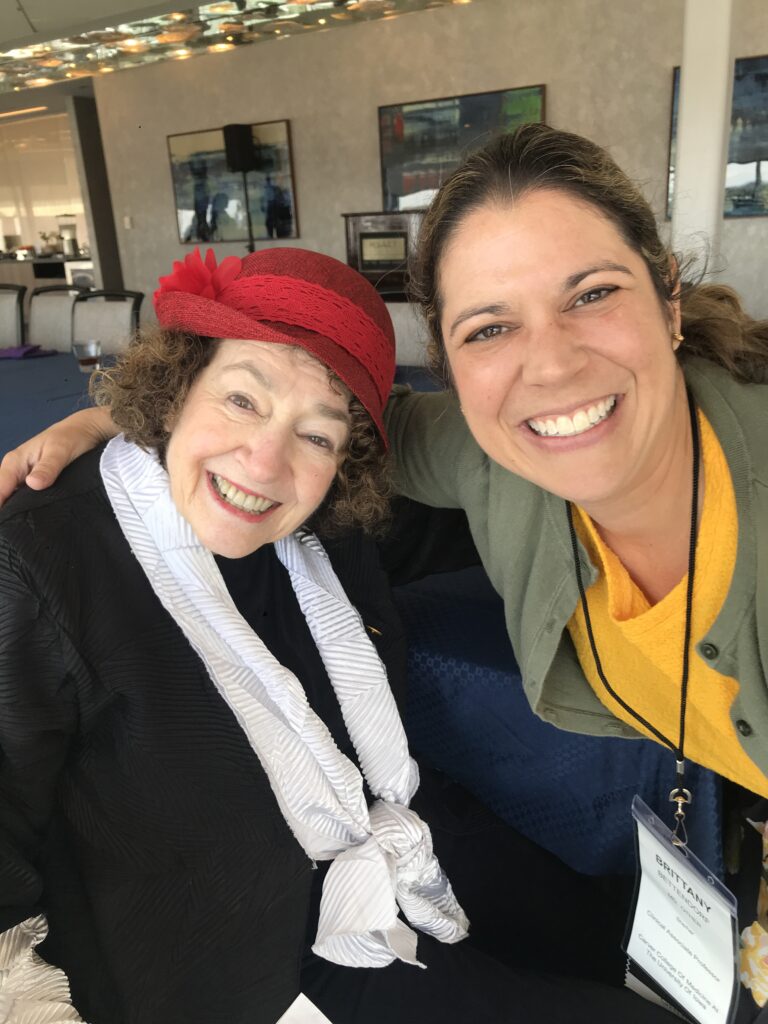
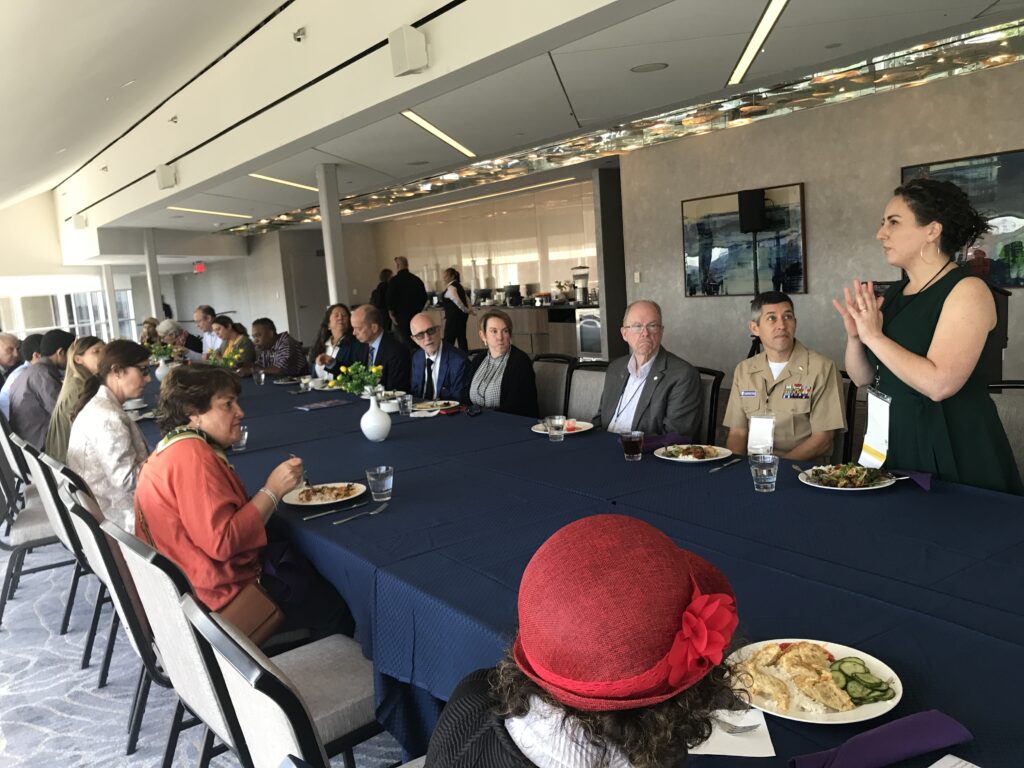
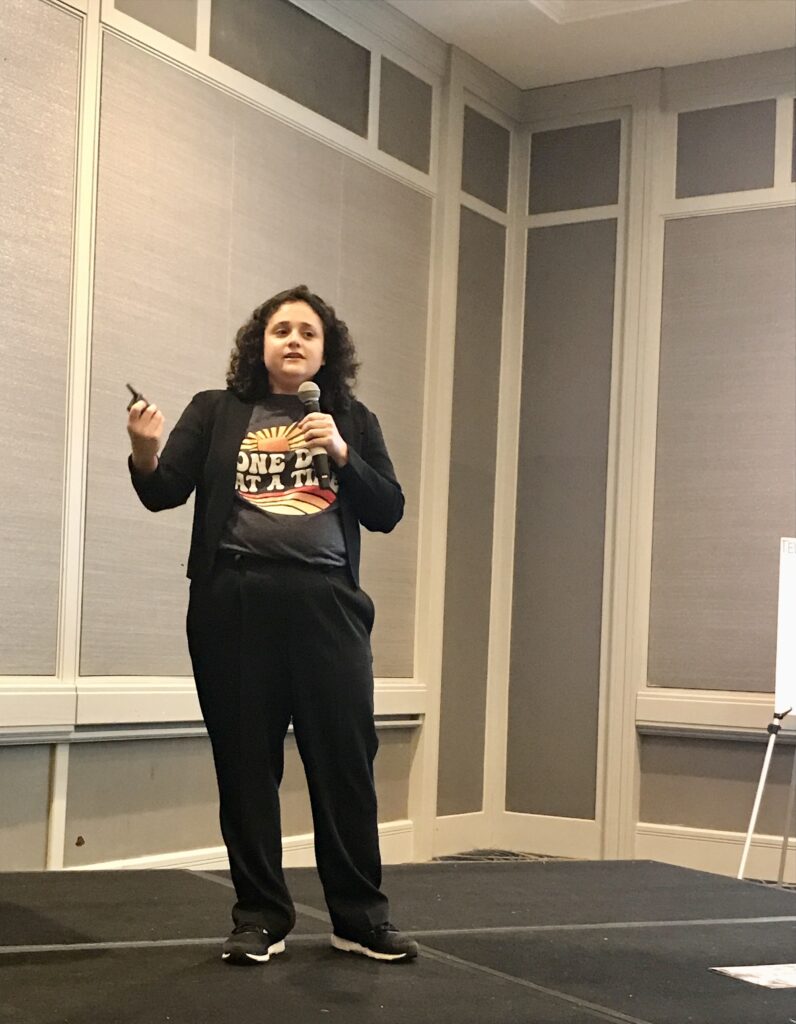
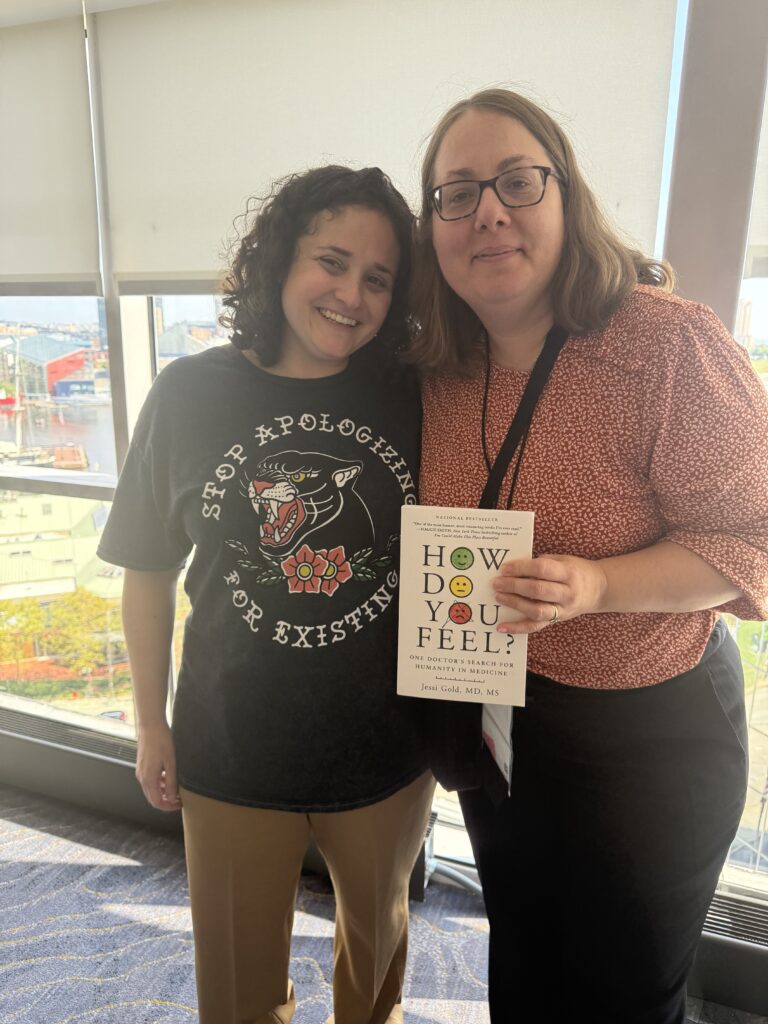
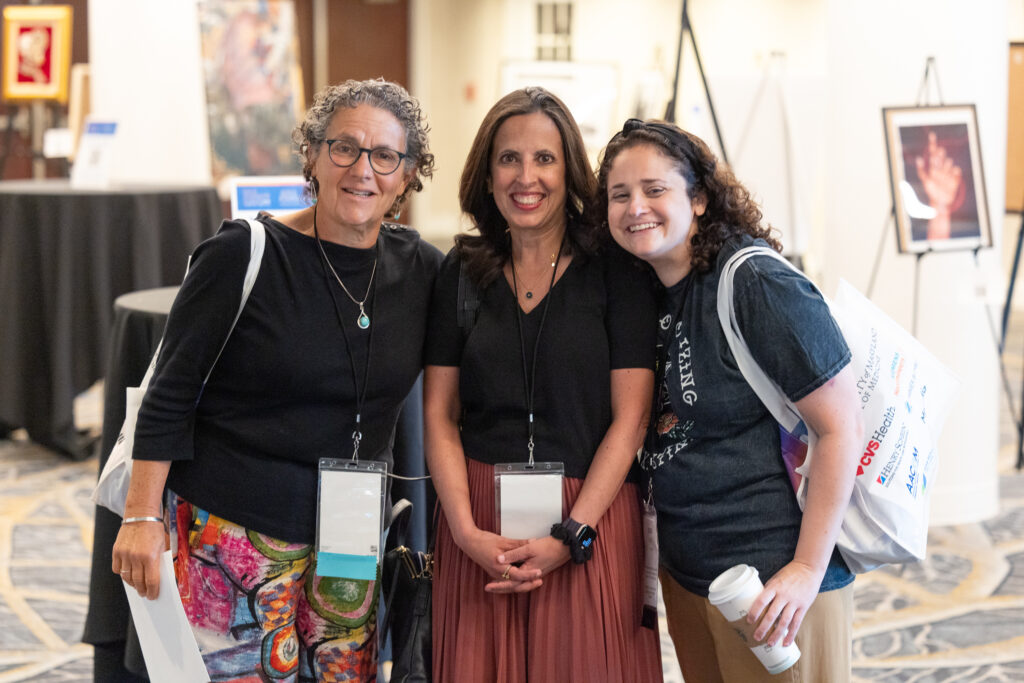
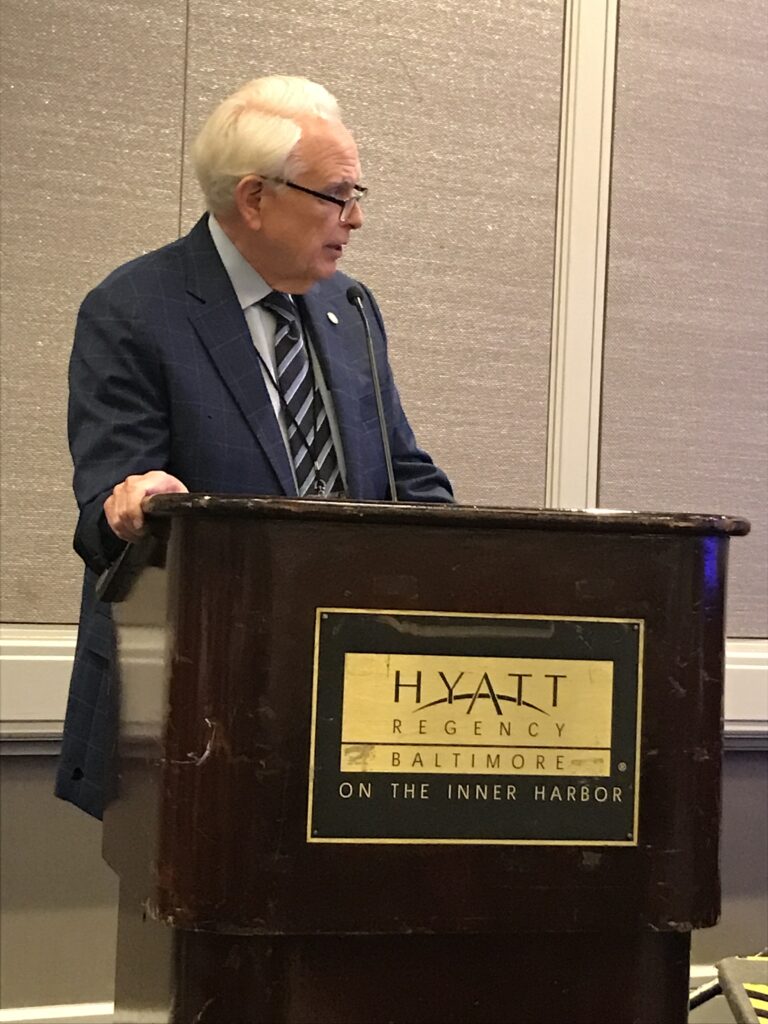
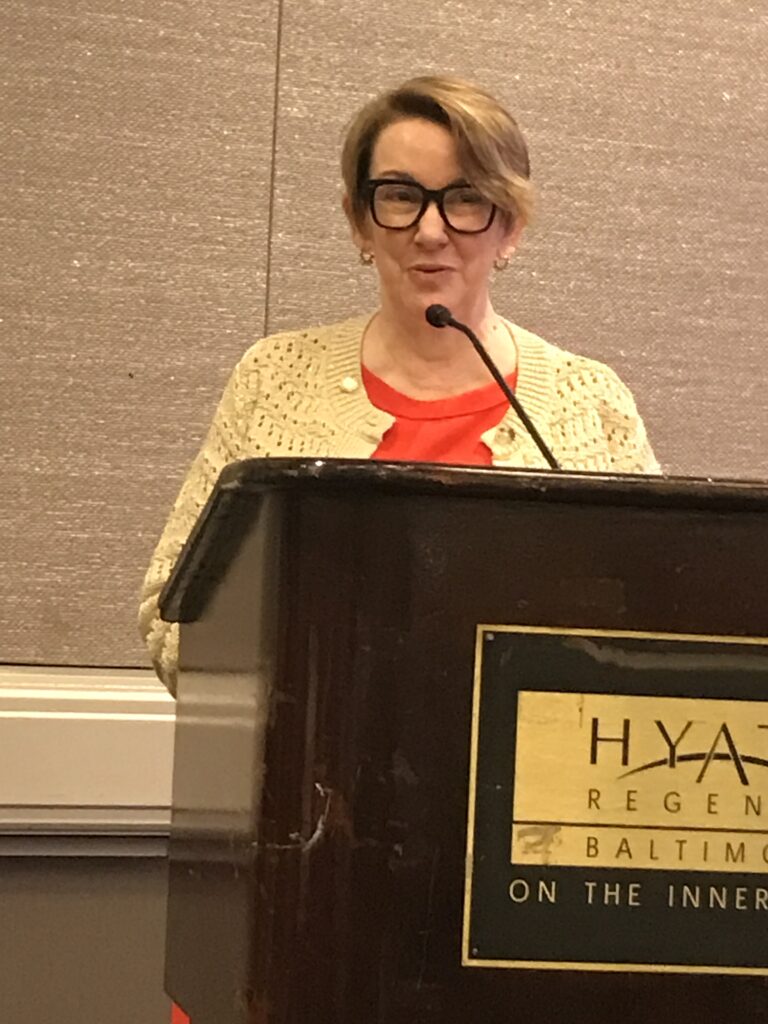
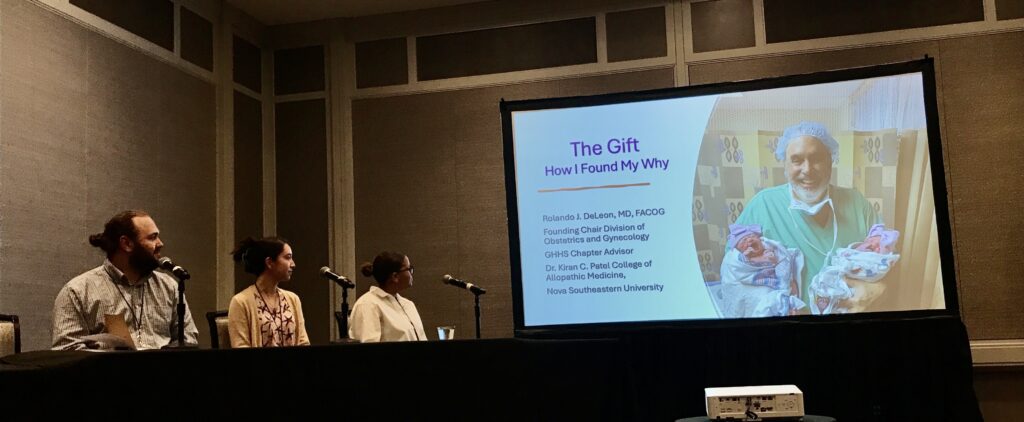
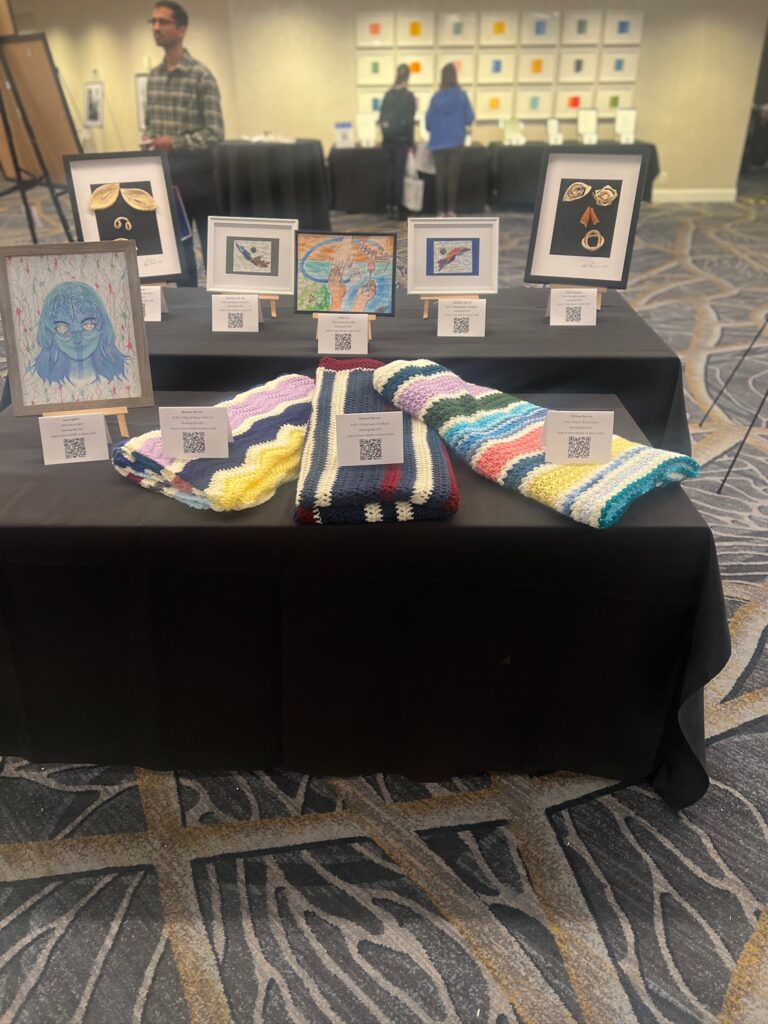
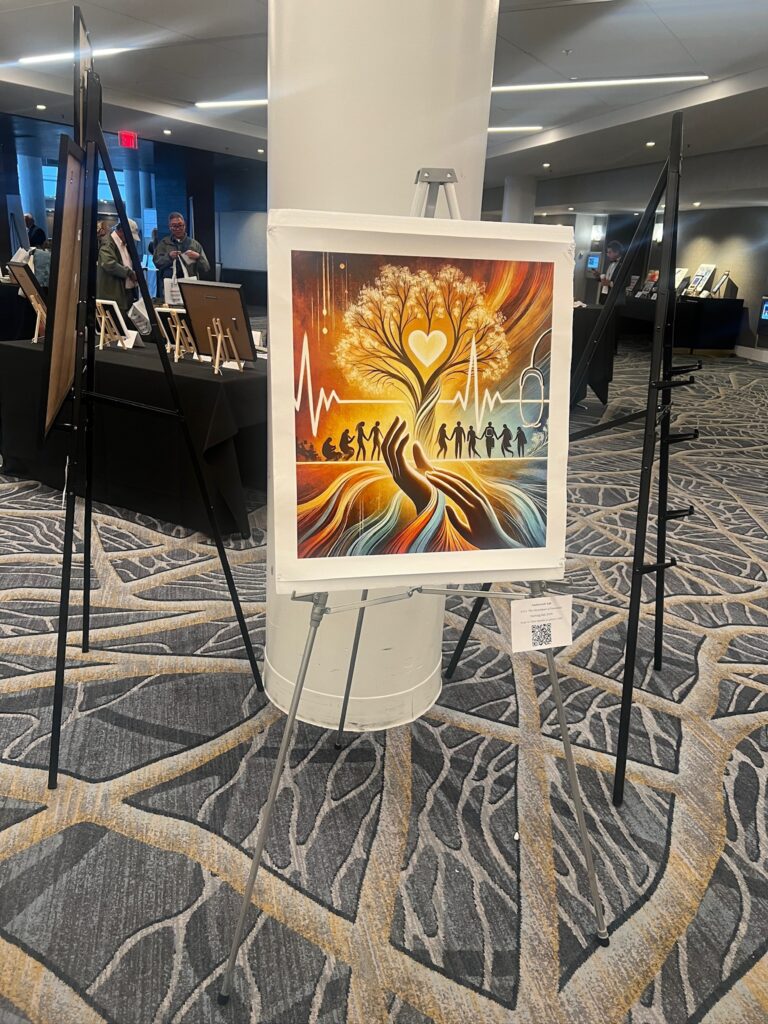
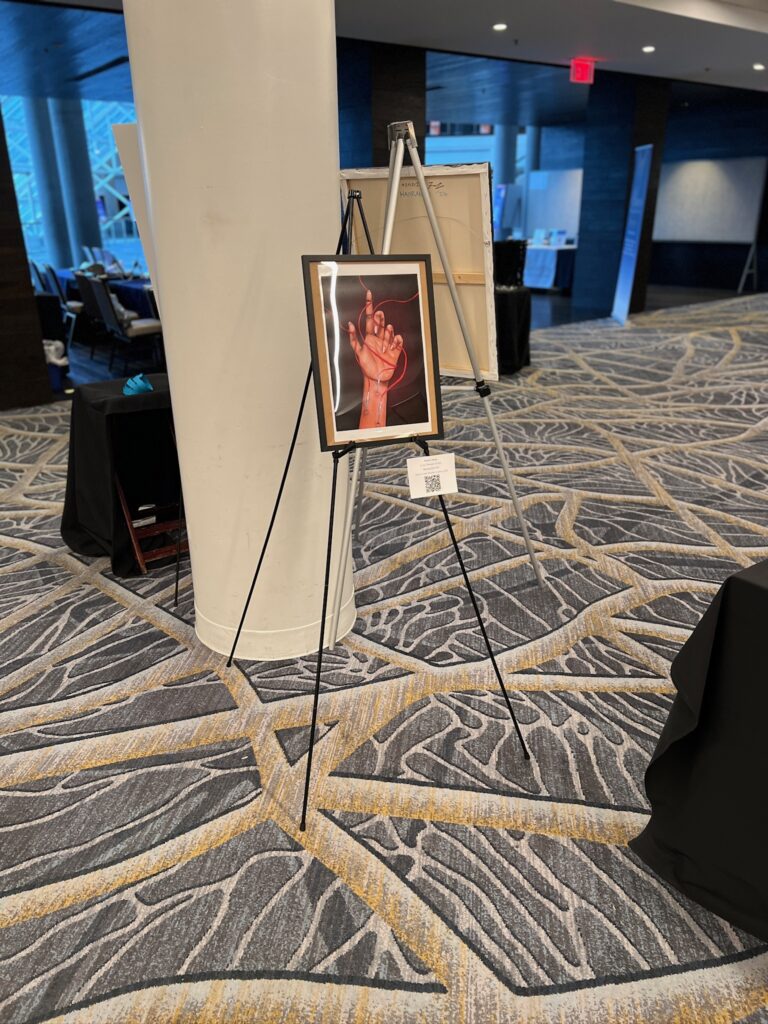
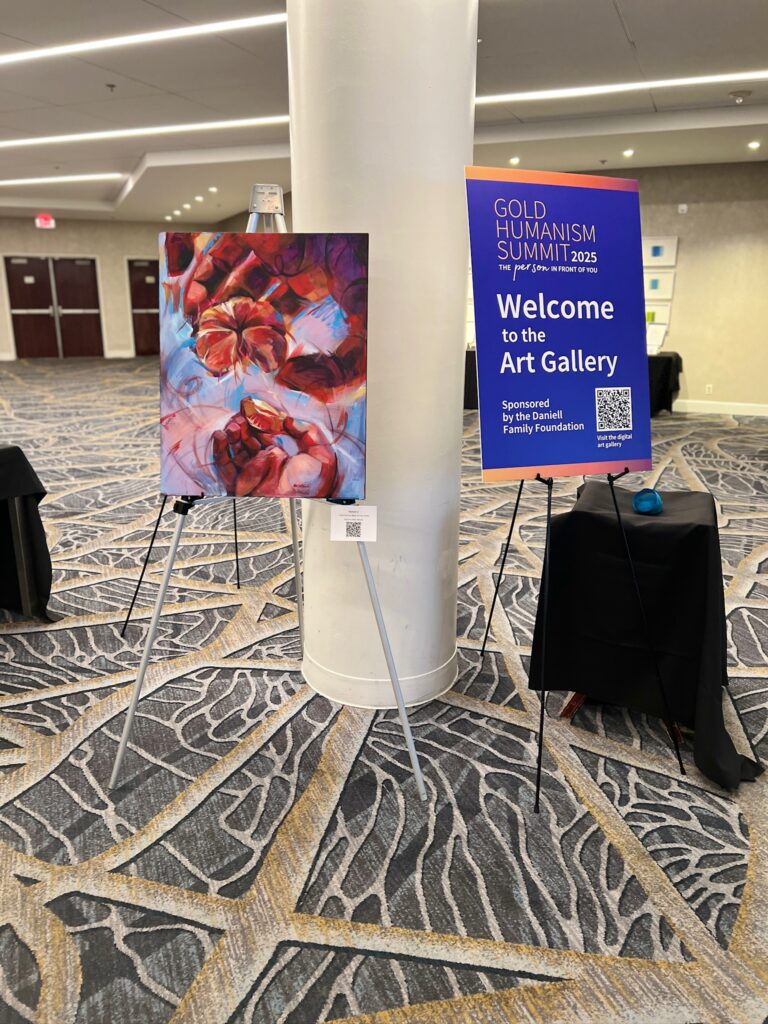
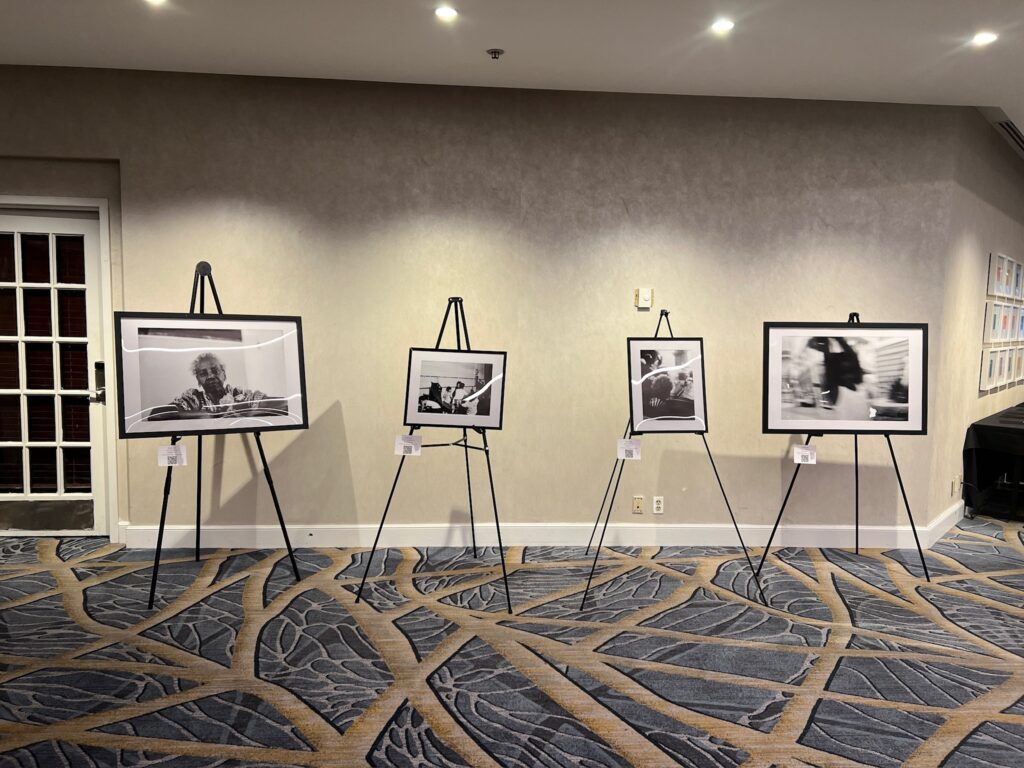
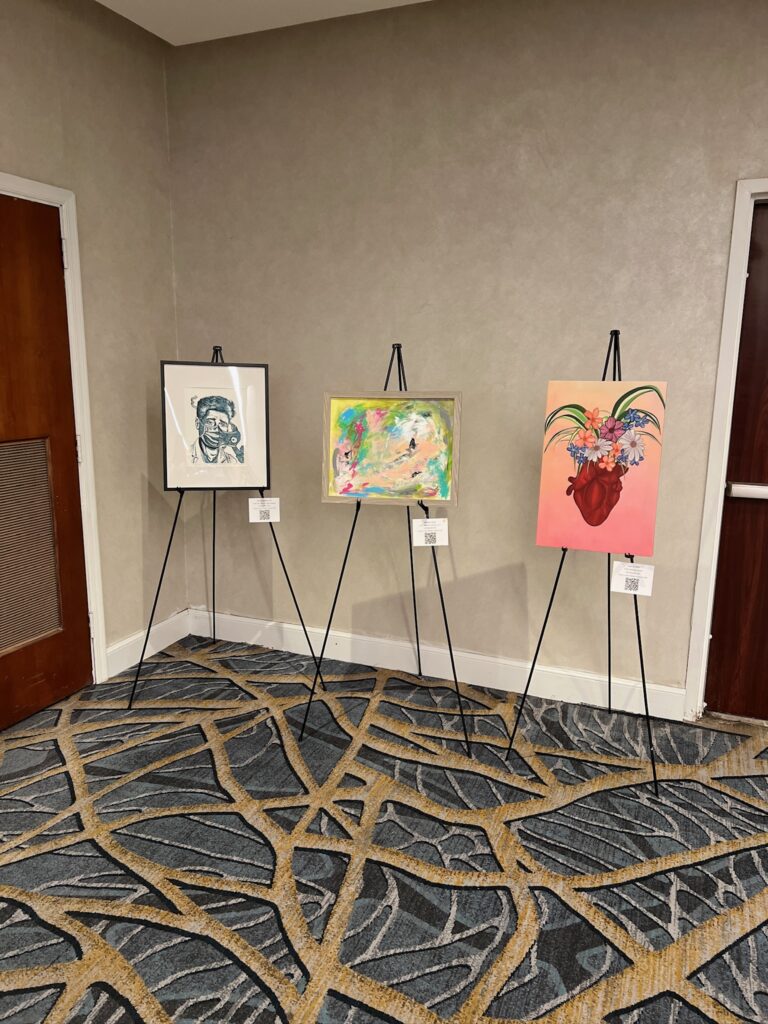
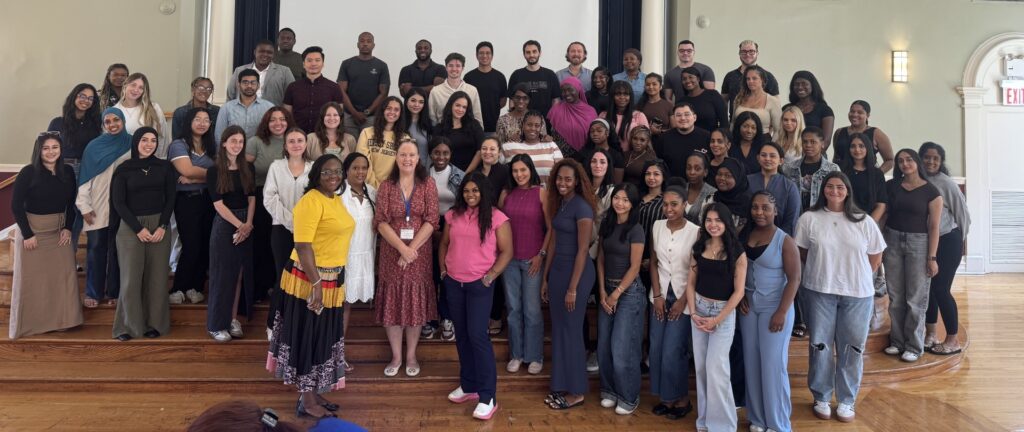
The 2025 Gold Humanism Summit drew nearly 400 healthcare professionals, students, patient advocates, academic and corporate leaders, artists, and musicians to Baltimore for an amazing three-day gathering. Here is a small sampling of the conference, photos taken by some of our attendees and our photographer. For more art, view the digital art gallery. Enjoy!

Jeffrey Silver Humanism in Healthcare Research Roundup: Humanism IS Safety

Over the last few months in this space we’ve discussed kindness and the importance of being trustworthy; safety is the third cornerstone of humanistic care.

It may seem odd to position safety under the umbrella of humanism, because in most healthcare settings and structures, patient safety refers almost exclusively to physical harm: medical errors, surgical complications, hospital-acquired infections. We mitigate those risks through such safety protocols as universal precautions, surgical checklists, and alarm systems. These interventions are crucial, but they represent only part of what it means to keep patients truly safe.

We need to think more broadly about safety and include humanistic considerations. Does a patient feel safe raising concerns with their care team without worrying if they will be believed? Does a patient trust that their fears and hopes will be listened to? When a patient feels dismissed by their care team, when communication breaks down between healthcare professionals, when workplace incivility silences staff, or when a patient’s dignity is violated — these are also patient safety issues.

The research featured here tells a progressive story of how healthcare is beginning to recognize this broader conception of safety. Interestingly, most research on the humanism-safety connection is being done outside of the United States. By the end of this Research Roundup, we hope you’ll be convinced that humanism IS safety and consider bringing this focus to your institutions and research teams.


The first article presents research by Dr. Lara Dreismann and colleagues from Switzerland that makes the paradigm-shifting case that psychological harm is not only a byproduct of medical errors or other safety breaches but is a key primary harm in and of itself.

Invisible harm in patient safety: a framework and definition for preventable psychological harm in cancer care. Dreismann, L., Zambrano, S., Pfeiffer, Y., and Schwappach, D. (2025). BMJ Open Quality 14:e003466. Access the Free Article

What: This paradigm-shifting research redefines preventable psychological harm (PPH) to include poor communication, disrespect for autonomy, and privacy violations that harm a patient’s dignity and emotional well-being. Through literature review, expert interviews, and patient workshops, the authors demonstrate that PPH affects patients, families, and healthcare professionals and stems from individual failures, organizational practices, or system-wide pressures.

So What: PPH has direct links to patient safety — patients may refuse life-saving treatment, lose trust in their care team, or develop healthcare-avoidance behaviors. What might be dismissed as “communication issues” or “bedside manner problems” are actually patient safety incidents requiring prevention and response interventions.

Now What: Healthcare leaders must expand safety definitions beyond physical harm, implement measurement systems that capture PPH incidents, and create cultures that recognize dignity violations as serious safety issues requiring investigation and intervention.


One of Dr. Lara Dreismann and colleagues’ “Now What” elements — the need for a reporting tool — is directly addressed in our second article by UK researcher Dr. Abubakar Sha’aban and colleagues.

Coproducing data-driven organizational safety with patients: development and cognitive testing of a multisetting patient-reported safety concern tool. Sha’aban, A., Torrens-Burton, A., Williams, D., Carson-Stevens, A., Edwards, A., Joseph, L., and Joseph-Williams, N. (2025). International Journal for Quality in Health Care. 37(3). Access the Free Article

What: Through focus groups and cognitive testing with 36 participants, the research team co-produced and validated the first Patient Reported Safety Concern Tool designed to capture both physical and emotional harm across healthcare settings. Participants preferred “safety concern” over “incident” or “event” because it felt more inclusive, capturing concerns like disrespectful communication and privacy violations that traditional reporting misses.

So What: Traditional incident reporting focuses on what healthcare professionals identify as problems, missing the patient experience of psychological harm, communication failures, and dignity violations that impact well-being. The tool’s validation process demonstrated that patients want to help improve care, not just complain about it.

Now What: Healthcare organizations should pilot this validated tool as part of routine patient feedback systems, turning abstract “patient engagement in safety” into concrete, measurable action while identifying patterns that existing tools miss.


A common finding in the first two articles is the impact the culture of a clinical care environment can have on how patients perceive safety. This next article by an Australian team led by Benjamin Freedman explores incivility in hospitals and how it critically impacts patient safety.

The prevalence of incivility in hospitals and the effects of incivility on patient safety culture and outcomes: A systematic review and meta-analysis. Freedman, B., Li, W.W., Liang, Z., Hartin, P., Biedermann, N. (Print 2024/Online 2025) Journal of Advanced Nursing. 81:5603-22. Access the Free Article

What: This analysis of 41 studies of over 16,000 healthcare professionals across 12 countries found that 25% experienced workplace incivility and 30% witnessed it. Further, incivility reduces patient safety culture by 41% and is directly associated with adverse events, medical errors, and mortality.

So What: Unkind workplace behavior is not just a “culture” problem — it’s a patient safety crisis. Physicians and supervisors are the most common sources of incivility, while nurses are both frequent targets and perpetrators, creating cycles that damage interprofessional collaboration essential for safe care.

Now What: Healthcare leaders must recognize that civility interventions are essential patient safety measures. Medical educators should teach respectful communications as a core clinical competency. Individual healthcare professionals should address incivility when witnessed, knowing that silence contributes to environments where patients are measurably less safe.


A UK-based study team, led by Dr. Leila Keshtkar, focuses on communication — one of the areas most hard hit by incivility — as important in its own right as a factor in patient safety.

The impacts of Communication Type and Quality on Patient Safety Incidents: A Systematic Review. Keshtkar, L., Bennett-Weston, A., Khan, A.S., Mohan, S., Jones, M., Nockels, K., Gunn, S., Armstrong, N., Bostock, J., and Howick, J. (2025). Annals of Internal Medicine; 178:687-700. Access the Article or the Free Video Summary

What: This systematic review of 46 studies involving 67,826 patients found that poor communication contributes to approximately one quarter of all patient safety incidents and is the sole identified cause of about 1 in 10 incidents. Problems include breakdowns between staff and patients, inadequate documentation, and lack of shared care plans. The research spanned multiple continents and healthcare settings, demonstrating that communication-related safety incidents are a universal healthcare challenge rather than isolated problems.

So What: Communication is not a “soft skill” but a core competency essential for patient safety. When information is communicated “inaccurately, inappropriately, or not at all,” patients suffer measurable harm through delayed care, medication errors, and diagnostic mistakes. Improving healthcare communication could prevent thousands of adverse events annually.

Now What: Healthcare organizations must prioritize communication training with the same rigor as clinical skills, implementing standardized communication tools and structured handoff protocols. Medical and nursing schools should integrate communication competencies throughout curricula. Healthcare systems need robust communication infrastructure including shared electronic health records, standardized documentation practices, and clear protocols for sharing critical patient information across departments and shifts. Individual practitioners should recognize that every patient interaction either enhances or compromises safety through communication quality.


Our last article — and the only one from a U.S.-based team — presents a simple but highly practical and actionable intervention to facilitate communication in in-patient settings.

Whiteboards to Facilitate Hospitalized Patient Communication, Safety, and Education: A Scoping Review. Gregg, A.T., Herzig, S.J., and Nelson, R.E. (2025) Journal of General Internal Medicine 40(6):1411-8. Access the Article

What: This scoping review of 13 studies found that simple bedside whiteboards can meaningfully improve patient communication, with six studies showing significant improvements in provider identification, patient engagement, and patient-provider communication. However, only two studies examined safety applications and two explored educational uses — a significant missed opportunity for this accessible, low-cost intervention.

So What: Simple humanistic interventions have untapped potential. Basic actions like clearly writing care team member names and daily goals can significantly improve patient engagement and understanding. While 95% of patients found whiteboards “helpful,” only 60% knew they could use them for communication, suggesting many humanistic tools fail because we don’t empower patients to use them effectively. The scarcity of research on safety and education applications points to healthcare’s tendency to focus on high-tech solutions while overlooking low-tech opportunities for human connection.

Now What: Healthcare teams should view whiteboards as communication tools requiring intentional use across disciplines. In resource-strained environments, whiteboards exemplify how small humanistic touches can meaningfully impact trust and safety while offering unexplored opportunities for safety and education interventions.

To receive email notification of future editions of the Jeffrey Silver Humanism in Healthcare Research Roundup, enter your information here and select “Research Roundup” from the checkboxes at the bottom. Read previous posts in this series.

Dr. Darrell Kirch to present the 2025 Jordan J. Cohen Humanism in Medicine Lecture at the AAMC

The Arnold P. Gold Foundation is honored to announce that Darrell G. Kirch, MD, President Emeritus of the Association of American Medical Colleges (AAMC), Gold Foundation Trustee, and lifelong champion of humanism, will deliver this year’s Jordan J. Cohen Humanism in Medicine Lecture at the AAMC Annual Meeting in San Antonio. This annual lecture is a collaboration between the Gold Foundation and the AAMC, presented at the Learn Serve Lead conference.

Dr. Darrell Kirch

Dr. Kirch’s lecture, titled “A Physician’s Journey through Uncharted Waters,” will explore the deeply personal and professional evolution of a physician navigating the complexities of modern medicine. While medical education is grounded in evidence and the progressive attainment of competencies, Dr. Kirch emphasizes that each physician’s journey is uniquely shaped by their life experiences. In a time of profound disruption, staying true to one’s moral compass and humanistic values can be especially challenging. Drawing on unexpected lessons from his own path, Dr. Kirch will reflect on how these experiences sharpened, rather than dulled, his commitment to the ethical obligations of the profession and the humanistic core of medicine.

“I am thrilled that Dr. Kirch will be sharing the deep wisdom he has gained through his personal and professional journey at this year’s Jordan J. Cohen Lecture at Learn Serve Lead,” said Dr. Kathleen Reeves, President and CEO of the Gold Foundation. “I have seen firsthand his unique ability to bring people together to discuss some of the hardest issues facing healthcare. I am so grateful for what will be an inspiring and transformative lecture.  Thank you to Dr. David Skorton and our partnership with the AAMC for this lecture, which brings illuminating voices of humanism to students, deans, faculty, and staff.”

Dr. Darrell G. Kirch is President Emeritus of the AAMC, where he served as President and CEO from 2006 to 2019. He is currently an adjunct professor of psychiatry and behavioral sciences at Stanford University, a national advisor for Manatt Health Strategies, and principal of Academic Health Advising LLC. A distinguished educator, biomedical scientist, and clinician, Dr. Kirch speaks and publishes widely on the transformation of healthcare and the role of academic institutions in leading change across education, research, and clinical services.

Dr. Kirch has served as dean, university senior vice president, and academic health system leader of two institutions: the Medical College of Georgia and the Pennsylvania State University Milton S. Hershey Medical Center. He has been on the Gold Foundation Board of Trustees since 2019.

He has chaired the Washington Higher Education Secretariat, served on the American Council on Education Board of Directors, and was elected to the National Academy of Medicine in 2007. He co-chairs the National Academy of Medicine Action Collaborative on Clinician Well-Being and Resilience and also serves on the board of the Hastings Center for Bioethics.

A psychiatrist and clinical neuroscientist by training, Dr. Kirch began his career at the National Institute of Mental Health, becoming chief of the Schizophrenia Research Branch, serving as the acting scientific director of the institute, and receiving the Outstanding Service Medal of the United States Public Health Service. He earned his BA and MD degrees from the University of Colorado. Dr. Kirch has been awarded eleven honorary doctoral degrees in recognition of his contributions to the profession.

The Jordan J. Cohen Humanism in Medicine Lecture is named for Dr. Jordan J. Cohen, President Emeritus of the AAMC and Chair Emeritus of the Gold Foundation Board of Trustees. The lecture spotlights illuminating voices of humanism.

Join us on Nov. 2 at 3:00 p.m. at Learn Serve Lead in San Antonio for the 2025 Jordan J. Cohen Humanism in Medicine Lecture. The Gold Foundation will also be hosting a session on Nov. 3 at 10:15 a.m. on “The Power of Humanism: How to Transform Healthcare By Being More Intentional about the Human Connection,” which will feature stories from Gold Humanism Honor Society members and a Tell Me More® exercise.

To learn more and register for Learn Serve Lead, visit the conference website.

Jeffrey Silver Humanism in Healthcare Research Roundup — The Importance of Being Trustworthy

The Arnold P. Gold Foundation defines humanism as “clinically excellent care that is kind, safe, and trustworthy.” In this Research Roundup we will explore the role and importance of trust, which Gold President and CEO Dr. Kathleen Reeves describes as being “at the heart of the best care and is what is most missing in today’s healthcare environment. 

At this year’s Gold Standard Gala, Gold Co-Founder Dr. Sandra Gold shared how her husband, Arnold, heavily relied on “his skills of listening, of kindness, of building trust.” I am taking inspiration from the verb “building” in front of “trust” because it highlights that trust is not automatically given — it must be earned through demonstrating trustworthiness.  

Too often in healthcare we hear complaints about patients’ lack of trust in the system. While likely not intended, this lament can sometimes sound nostalgic for the paternalistic era epitomized by 1960s prime-time protagonist Dr. Kildare’s attitude of the patient has refused this operation but I take full responsibility.”  
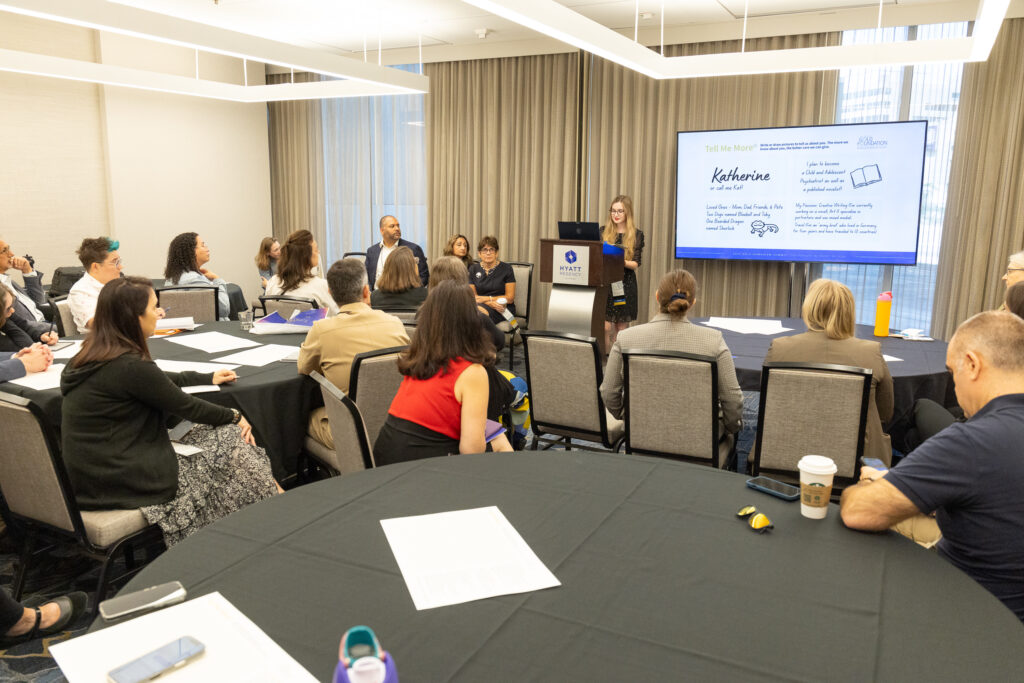
Instead, the responsibility doctors have is to “build trust” with patients. Highlighted below are four recent articles focused on this task (a later Roundup will take on the question of trust related to AI in medicine). The hope is that readers will come away with a better understanding of the value of the linguistic shift from trust to trustworthy and with a few ideas and tools for how they can better follow in Dr. Arnold P. Gold’s footsteps and build trust.  

In case you missed it, please check out the Jeffrey Silver Humanism in Healthcare Research Roundup: A Focus on Kindness and be on the lookout for the next Research Roundup in September, which will explore the nuanced role of safety in humanism.  
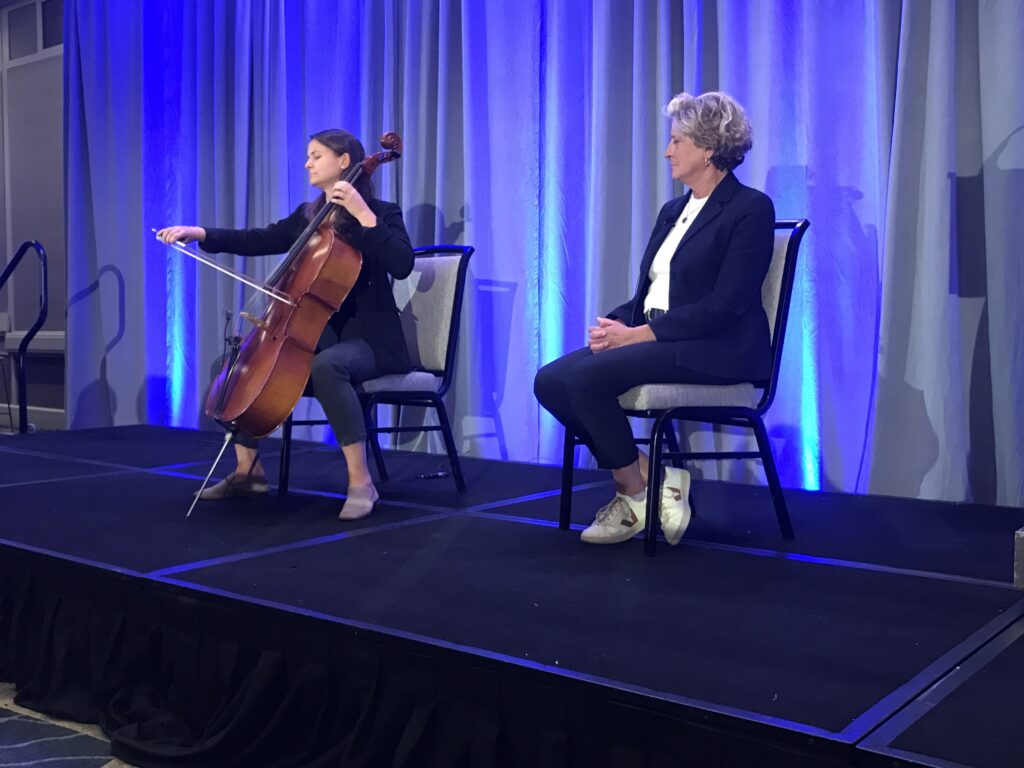

This first article presents a scoping review led by Dr. Natalie Strokes, a 2012-2013 Medical Student Blogger for the Gold Foundation and a Gold Humanism Honor Society (GHHS) member who graduated from the A.T. Still University’s School of Osteopathic Medicine in Arizona.  
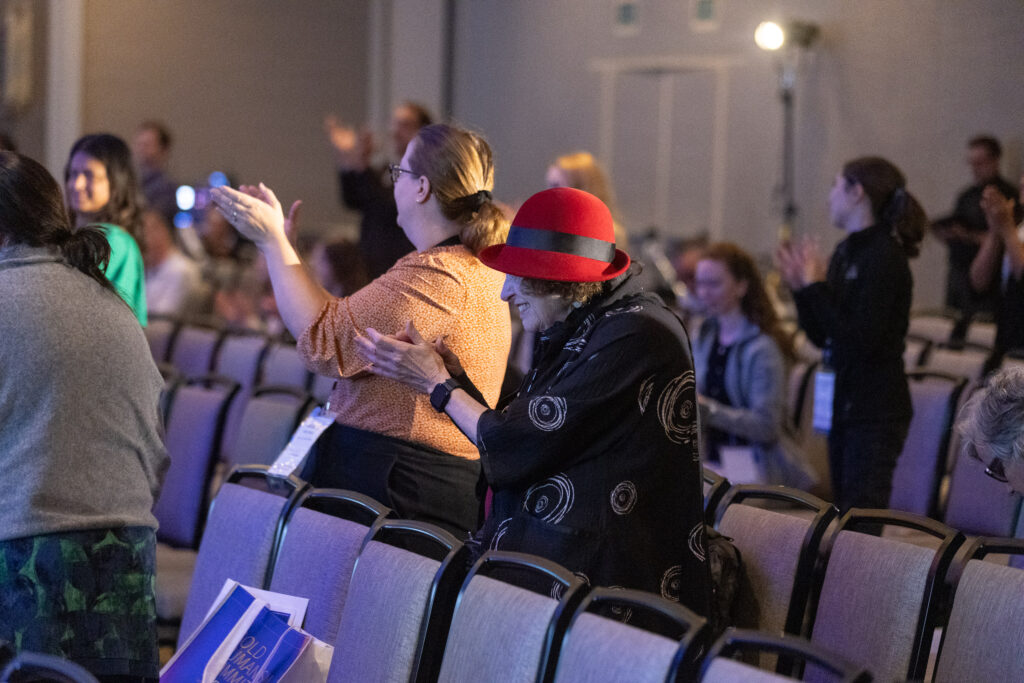
Can shared decision-making interventions increase trust/trustworthiness in the physician-patient encounter? A scoping review. Strokes, N., Lloyd, C., Girardin, A. L., Santana, C. S., Mangus, C. W., Mitchell, K.E., Hughes, A.R., Nelson, B. B., Gunn, B. & Schoenfeld, E. M. (2025). Patient Education and Counseling, 108705. Access the article. 

What: This scoping review begins with the working hypothesis that patient trust depends on clinician trustworthiness, specifically examining shared decision making (SDM) as a tool healthcare professionals could use to build trust. Inclusion criteria required: SDM focus, intervention/control arms, and trust as an outcome. Among 20 included studies, none had trust as a primary outcome, but eight showed statistically significant trust increases while 12 showed no effect.  

So What: Breaking down studies by intervention target reveals key implications. In the 8 studies showing increased trust, common interventions were clinician language manipulation and SDM training, targeting clinician alone (4 studies), both clinician and patient (3 studies), and patient alone (1 study). In contrast, the 12 studies showing no effect used clinician language manipulation and patient decision-aids, targeting both clinician and patient (6 studies), patient alone (5 studies), and clinician alone (1 study). Key takeaway: Interventions targeting clinicians alone had the highest success rate (4 of 5 studies), while patient-only interventions were least effective (1 of 6 studies). 

Now What: This scoping review finds that over a decade of studies have demonstrated that higher trust correlates with better health outcomes, increased healthy behaviors, and higher quality of life. Evidence-based practice should therefore mandate greater attention to trust-building. For researchers, the review highlights trust’s problematic peripheralization rather than centering it as a primary outcome and the need for higher-powered studies to explore SDM’s impact on populations frequently exposed to less trustworthy care. For doctors, this review should prompt reorientation toward actively building patient trust as a clinical priority. 


This next paper is a short commentary calling on doctors to do just this sort of reorientation toward a focus more on trustworthiness.  

Restoring trust with a humanistic touch. Bonk, R. J. (2024). Journal of Communication in Healthcare, 17(4): 314-316. Access the article. 

What: This commentary discusses ways that educators can teach with a humanistic touch by exposing students to the humanity of their fellow humans via poetry, film, and narrative ethics all interventions that give clinicians critical listening skills — a foundation for trust-building.  

So What: This commentary is part of the Journal of Communication in Healthcare’s Science of Trust Initiative and centers trust as “inherent in the reciprocity of the social contract defining professional roles in society.” Dr. Bonk makes his case to medical educators that students need to be given time and space to see and dream with their classmates beyond the scientific centrality of the medical encounter.  

Now What: Dr. Bonk asks readers to refresh their perspective to include more humanism and trust-building time into medical education so that future doctors will be perceived as more fully caring and dedicated to the needs of patients and families.  


Next, we have a study out of Portugal that breaks down mediators of patient confidence and trust in one hospital setting.   

The role of confidence/trust in the emergency department. Abidova, A., Silva, P. A. D., & Moreira, S. (2025). BMC Research Notes, 18(1): 1-7. Access the free article.

What: Emergency Departments (EDs) are among the busiest and most stressful healthcare environments for both doctors and patients. This study explored the main determinants of patient confidence and trust in this setting. Using data from 382 patients at a Portuguese hospital, researchers examined how various factors influence trust through two key mediators: patient satisfaction and perceived quality of healthcare (PQHC). The study found that through satisfaction, factors like doctor performance, perceived triage waiting times, information about delays, and meeting expectations explained 61-66% of variance in ED trust. Through PQHC, factors including privacy, doctor performance, accessibility, post-examination waiting times, and meeting expectations explained 63-65% of variance in trust levels.  

So What: This research reinforces the importance of humanism in medicine through the finding that patient trust in EDs depends heavily on communication, expectations management, and perceived quality of care three areas where doctors’ communication and behavior play a critical role.  

Now What: For educators, this study supports the need to train future healthcare professionals in communication skills and expectation management, not just clinical competencies. Researchers could explore cross-cultural differences in trust mediators and test targeted interventions. Healthcare administrators can support trust building as well through implementing systems for better patient information sharing.  


Finally, because the work of building trust should never fall on single individuals, this last article addresses the important role of healthcare institutions in this endeavor.   

Health Systems Must Take Action To Achieve Trustworthiness. Hendricks-Sturrup, R. (2025). Health Affairs. Access the free article.

What: This article describes a process of examining existing research to identify real and potential actions related to health system trustworthiness. Findings were shared with a focus group of patients, patient caregivers and advocates, clinicians, and administrative professionals. From this process, five categories of actions emerged that health systems can use to increase their trustworthiness.  

So What: The bulk of this article is describing and providing concrete examples under five key action items: 1) Implement Or Generate Evidence At The Point Of Care, 2) Address And Correct Power Dynamics That Do Not Put Patients First, 3) Protect And Value Transparency And Patient Data Discretion And Representation, 4) Integrate Community-Level Support Into Care, and 5) Address Complexities That May Reduce Or Restrict Access To Care.  

Now What: The article ends with an explicit call to action for health systems to assess and share their readiness to implement trustworthy actions via an implementation tool that offers immediate, near future, and longerterm recommended strategic actions. The hope is that health systems can use the tool as a guide for uniting all stakeholders’ complementary goals in trustworthy systems of health.   

If you have come to the end of this Roundup and want to learn more about the Gold Foundation’s work on building trust, please explore the Medallia Gold Humanism Trust Tool. We would love to hear from you if you have used this tool in your teaching, practice, or research. 

To receive email notification of future editions of the Jeffrey Silver Humanism in Healthcare Research Roundup, enter your information here and select “Research Roundup” from the checkboxes at the bottom. Read previous posts in this series.

Announcing the 2025 Dr. Hope Babette Tang Humanism in Healthcare Essay Contest winners

The Arnold P. Gold Foundation is pleased to announce the winning essays of the 2025 Dr. Hope Babette Tang Humanism in Healthcare Essay Contest, open to medical and nursing students.

First place for medical students is awarded to Nezienwa Ezenwa of University of Texas Medical Branch John Sealy School of Medicine School of Medicine, and first place for nursing students is awarded to Roz Agheli of Loma Linda University School of Nursing.

Second place is awarded to Maria Jose Gomez of Loyola University Chicago Stritch School of Medicine and Christine Dianne Mendoza Nepomuceno of California State University, Sacramento, School of Nursing. Third place goes to Ziad Saade of Harvard Medical School and Vonnie Parramore-Cesar of Nell Hodgson Woodruff School of Nursing at Emory University.

The annual Dr. Hope Babette Tang Humanism in Healthcare Essay Contest prompts medical and nursing students to reflect on when they or a team member worked to ensure humanistic care and share that real-life experience in an essay of 1,000 words or fewer.

This year, students were prompted to share stories inspired by a quote from Dr. Arnold P. Gold, Co-Founder of the Gold Foundation: “Of all the tools in my medical bag, the most important of all is not in the bag itself – it’s my ears, to listen to the patient.”

“Each winning essay vividly shows how listening can strengthen the patient-clinician connection and improve healthcare,” said Louisa Tvito, Vice President of Programs. “Congratulations to the winning writers, and thank you to every one of the students who took time to reflect and write about specific moments in their journey so far. Through stories, we reinforce the importance of humanism in healthcare and improve care for the future.”

The six essays will be published in two journals: Academic Medicine, across the October, November, and December issues, and Journal of Professional Nursing, in the September/October, November/December, and January/February issues. Academic Medicine is published by the Association of American Medical Colleges, and the Journal of Professional Nursing is published by the American Association of Colleges of Nursing. Both organizations are key supporters of the annual essay contest and partners of the Gold Foundation.

The essay contest is named in memory of Hope Babette Tang, MD, an Assistant Professor of Pediatrics at Columbia-Presbyterian Medical Center and the Pediatric Medical Director of the hospital’s HIV clinic until her death in 1998 at age 36. Dr. Tang’s patients were often facing numerous obstacles on top of their devastating medical challenges, which made healing even more difficult. Her mantra in caring for her patients was “Whatever it takes.” Her approach meant she saw the person in front of her, not just their medical situation. Many of her acts of caring only came to be known after her death. She treated the whole patient, a hallmark of humanistic care.

“Receiving the Dr. Hope Babette Tang Humanism in Healthcare Award is an incredibly meaningful honor, as it affirms my belief that compassion, empathy, and genuine human connection are essential to healing,” said nursing student and first-place winner Roz Agheli. “Throughout my nursing journey, I have been profoundly shaped by the stories and strength of my patients, and this recognition reminds me that how we care for others emotionally, spiritually, and holistically is just as important as the clinical care we provide.”

Medical student and first-place winner Nezienwa Ezenwa reflected on how this award “honors my journey. Journaling has helped me keep my passion alive and remember that every patient teaches me something beyond their diagnosis, and I’m grateful to share those stories with others.”

The winning essays are chosen by an expert panel that includes healthcare professionals, writers, journalists, and educators. Nearly 400 entries were submitted this year from students at over 30 nursing schools and over 100 medical schools.

The Gold Foundation congratulates this year’s winners and honorable mentions:

2025 Medical/Nursing Student Winners

First Place

“The Severance of a Thread”
Nezienwa Ezenwa
University of Texas Medical Branch John Sealy School of Medicine

Nezienwa Ezenwa

Nezienwa Ezenwa is a first-year medical student at UTMB Sealy School of Medicine with a deep dedication to serving underserved communities and creating meaningful change. She is inspired by the reflective power of writing, using words to reveal the beauty and humanity woven through patient care. Outside medicine, Ms. Ezenwa stays active through volleyball, pickleball, and weightlifting, finding balance and energy in movement. Writing helps her pause and honor each person behind the diagnosis, reminding her that medicine is more than a profession. Her commitment is rooted in empathy, service, and the belief that human connection is at the heart of healing.


“The Heart of Hope”
Roz Agheli
Loma Linda University School of Nursing

Roz Agheli

Roz Agheli recently graduated from Doctor of Nursing Practice and Family Nurse Practitioner training at Loma Linda University, with clinical experience spanning both primary and cardiovascular care. She has been a cardiac nurse at Cedars-Sinai Medical Center for over four years, where she discovered her passion for cardiology and the profound connections formed through patient care. Her passion is rooted in patient education, clinical research, and evidence-based practice, but more than anything, in truly seeing and hearing the people she cares for. What she loves most about being a nurse is the deep human connection. She’s had the privilege of walking with patients through some of their most vulnerable moments, and while she’s been told she’s made a difference in their lives, it’s her patients’ strength and stories that have forever shaped her own.


Second Place

“No Estás Sola”
Maria Jose Gomez
Loyola University Chicago Stritch School of Medicine

Maria Jose Gomez

Maria Jose Gomez is a first-year medical student at Loyola University Chicago Stritch School of Medicine. Originally from Colombia, she moved to the United States after high school to pursue higher education and earned her undergraduate degree from the University of Florida. During her gap years, she worked as a patient support technician and Spanish interpreter in the pediatric cardiac ICU, where she discovered her passion for advocacy, mentorship, and compassionate care. A proud immigrant, Ms. Gomez is deeply committed to serving and uplifting communities. Outside of medicine, she finds joy in baking for her small cake business and cherishes traveling to visit her family across the globe.


More Than a Stethoscope”
Christine Dianne Mendoza Nepomuceno
California State University, Sacramento, School of Nursing

Christine Dianne Mendoza Nepomuceno

Christine Dianne Mendoza Nepomuceno is a recent magna cum laude graduate of Sacramento State’s nursing program and a newly licensed Registered Nurse in California. Inspired by her mother, a nurse and advocate within their family who has supported family members through various health challenges, Ms. Nepomuceno developed a passion for nursing. During nursing school, she discovered a love for tutoring and supporting her peers as a mental health nursing tutor, fueling her goal to continue mentoring others as she advances in her nursing career. Ms. Nepomuceno aspires to become a Family Nurse Practitioner. Outside of nursing, she enjoys traveling to experience diverse cultures, playing video games, and reading historical fiction. She lives in California with her parents.


Third Place

“Between Silence and Speech: The Power of Listening in Psychiatric Care”
Ziad Saade
Harvard Medical School

Ziad Saade

Ziad Saade is a member of the Harvard Medical School Class of 2025 and a new resident physician in psychiatry at the Mount Sinai Hospital in New York. Originally from Beirut, Lebanon, he worked as a medical interpreter in Spanish, Arabic, and French before medical school. Dr. Saade is interested in interventional psychiatry, and neuromodulation research to expand therapeutic options for patients with treatment-resistant psychiatric illnesses. In his free time, he enjoys traveling, surfing, and learning new languages.


“Listening Beyond the Monitors: A Lesson from Joe”
Vonnie Parramore-Cesar
Nell Hodgson Woodruff School of Nursing at Emory University

Vonnie Parramore-Cesar

Vonnie Parramore-Cesar is pursuing a Doctor of Nursing Practice at Emory University. She is a board-certified Family Nurse Practitioner and clinical instructor with over 30 years of nursing experience spanning NICU, emergency medicine, and primary care. She is deeply committed to advancing health equity through culturally responsive, trauma-informed care. Her doctoral project focuses on implementing Adverse Childhood Experiences (ACEs) screening in primary care to improve outcomes for women with chronic health conditions. She serves as a clinical instructor at Emory University’s Nell Hodgson Woodruff School of Nursing, where she mentors future nurse practitioners in simulation, telehealth, and community health settings.


Honorable mentions:

  • Maleeha Ahmad, Texas A&M University College of Medicine, “The Silence Between Us”
  • Alana Bierman, NYU Rory Meyers College of Nursing, “The Healing Power of Listening”
  • Abdullah Hashsham, George Washington University School of Medicine & Health Sciences, “The Right Words”
  • Rebecca Lapides, The Robert Larner, M.D. College of Medicine at the University of Vermont, “The Intangible Instrument — Listening as the Heartbeat of Healing”
  • Alik Manoogian, University of Central Florida College of Medicine, “To Cure or To Care”
  • Deborah Oyeniran, Emory & Henry University School of Health Sciences, “The Most Important Tool: Listening Beyond Words”
  • Gabriella Saad, Southern Connecticut State University School of Nursing, “The Fridge”
  • Mahima Silas, University of Central Florida College of Medicine, “Tacrolimus, Tutorials, and a Tall Iced Refresher”
  • Ravneet Sran, University of Alberta Faculty of Medicine and Dentistry, “Peeling back the Layers”
  • Steven Watson, Loma Linda University School of Nursing, “Goosey and Frank”

Learn more about the Dr. Hope Babette Tang Humanism in Healthcare Essay Contest.

Webinar: Publishing Humanism

In this webinar, “Publishing Humanism: Advancing Scholarship on Humanism in Healthcare,” Dr. Laura Cooley, Editor-in-Chief of Journal of Patient Experience, leads a practical, in-depth session on preparing submissions for an ongoing journal special collection, The Intersection of Humanism in Healthcare and Patient Experience,a collaboration with the Gold Foundation, as well as other publications.

Dr. Cooley shares how to:

  • Develop high-quality, publication-ready manuscripts
  • Align your work with key themes in humanism and patient experience
  • Navigate the publishing process with confidence

Gold President and CEO Dr. Kathy Reeves joins Dr. Cooley to discuss the meaning of humanism in healthcare and what makes this collaboration with the Journal of Patient Experience so special. This webinar originally aired in July 2025.

The Gold Foundation also shared a curated list of publications that accept humanism-related research, articles, and perspectives. Download the list (PDF).

More resources discussed in this webinar:

8 Questions with Trista Walker

“8 Questions” is a Gold Foundation series that spotlights members of the Gold community — doctors, nurses, healthcare professionals of all kinds, students, corporate and hospital leaders, patients, family members, Trustees, staff members, and supporters.

Trista Walker

Board Chair Trista Walker

The Gold Foundation is delighted to introduce Trista Walker, MPS, CCXP, who became the Chair of the Board of Trustees on July 1, 2025. She is just the fourth Chair in the Gold Foundation’s history, following in the footsteps of Dr. Arnold P. Gold, Dr. Jordan J. Cohen, and Richard Sheerr.

Ms. Walker is President and CEO of Baldwin & Obenauf, Inc. (BNO), a full-service creative agency. She has more than 20 years of experience in customer experience, design thinking, digital innovation, and omnichannel marketing strategy, spanning life sciences, healthcare, financial services, consumer, government, and media. She has served as a Board member on Jefferson Health since 2017 and a Trustee of the Gold Foundation since 2024.

The Gold Foundation defines humanism in healthcare as clinically excellent care that is kind, safe, and trustworthy. Why does humanism in healthcare matter to you?

I lost my mom 18 years ago. She was 59. She lived with a chronic condition (type 2 diabetes) for about 25 years, manageable and treatable but it would require lifestyle changes and therapeutic vigilance. Keeping that up for a lifetime was hard and it needed a real team effort. She never had a healthcare team that she trusted — ever. She talked openly of her distrust of her healthcare team and the hospitals she frequented near the end of her life. She was treated by many talented, highly skilled clinicians. Unfortunately, none of them were able to meaningfully connect with her nor earn her trust. It’s hard to know for sure whether she would have had a different outcome had she made a real connection with her healthcare team, but I believe it would have made a difference.

What drew you to the Gold Foundation?

I met a wonderful person, Richard Sheerr, a Jefferson Board colleague via Jefferson’s acquisition of Einstein Health. One afternoon we were walking side by side through the Pennsylvania Convention Center when Richard struck up a conversation about the Gold Foundation. One thing that drew me in was the mission; another was Richard’s deep passion for the Gold Foundation,  which was obvious even from that outwardly casual conversation. It was a mix of fierce advocate, protective father, and true believer — in the best sense of all of those phrases. I had to learn more!

What is one lesson you learned from a patient or a clinician?

I’ve had the great fortune of moderating quite a lot of market research for clients involving both patients and clinicians, so it’s hard to pick just one. But I’ll just say this: what drives behavior is not factual, it’s emotional. That applies to clinicians, patients, administrators, faculty, students, you name it. That’s why a clinician-patient relationship that is rooted in trust and compassion is (in my humble opinion) critically linked to health outcomes.

What is one book you’d recommend healthcare professionals read?

Can I give two? Two of the best I’ve read in recent years are How Covid Crashed the System: A Guide to Fixing American Health Care (Dr. David B. Nash and Charles Wohlforth) and Compassionomics: The Revolutionary Scientific Evidence That Caring Makes a Difference (Drs. Stephen Trzeciak and Anthony Mazzarelli). I’m sure that second book is well known to Gold supporters!

Dr. Sandra Gold, middle, who founded the nonprofit with Dr. Arnold P. Gold, her late husband, stands with new Board Chair Trista Walker, left, and President and CEO Dr. Kathleen Reeves.

Who is your favorite historical figure in healthcare?

Is modern history allowed? If so, it’s Dr. Arnold Gold, of course!

Do you play any sports or have a favorite team?

Growing up I was a competitive artistic roller skater. That was my main sport throughout my youth — I spent a lot of nights and weekends at the rink and most holiday weekends at a skating meet. These days my main sport is golf, because it’s a sport where you’re always trying to outdo your own personal best. I really like that, frustrating as that may be some days! I am a fan of all of the Philadelphia sports teams — Eagles, Flyers, Sixers, Phillies. I will apologize to my New York Gold Foundation colleagues!

If you could travel anywhere in the world, where would you go?

Bora Bora is on my bucket list. I long to spend a week in one of those overwater bungalows! Give me peace and tranquility overload!

What is your happy place?

With my family, practically anywhere.

Read the announcement: The Arnold P. Gold Foundation elects Trista Walker as Board Chair.

Read more interviews in the 8 Questions series.

The Arnold P. Gold Foundation elects Trista Walker as Board Chair

Jefferson Health board member and BNO leader brings decades of strategic experience to historic chair role

The Arnold P. Gold Foundation, the leading nonprofit dedicated to humanism in healthcare — defined as clinically excellent care that is kind, safe and trustworthy — has elected Trista Walker, MPS, CCXP, to the position of Board Chair. She succeeds Richard C. Sheerr, who served as Chair of the Board of Trustees for the past nine years.

Trista Walker

Board Chair Trista Walker

Ms. Walker has served as a Trustee of the Gold Foundation since 2024 and as a board member of Jefferson Health since 2017, where she chaired the Clinical Quality Committee for seven years and served on the Executive, Human Capital, Compensation, and Innovation committees during her tenure. Ms. Walker is also President and CEO of Baldwin & Obenauf, Inc. (BNO), a full-service creative agency. She has more than 20 years of experience in customer experience, design thinking, digital innovation, and omnichannel marketing strategy, spanning life sciences, healthcare, financial services, consumer, government, and media, including a prior stint serving as Senior Vice President of Client Services at Compass Healthcare Marketers. Ms. Walker brings significant experience in healthcare marketing and board leadership to her new role as Chair of the Gold Foundation.

Ms. Walker is only the fourth Chair in the Foundation’s history. She is preceded in the role by Richard C. Sheerr, Dr. Jordan J. Cohen, and Dr. Arnold P. Gold. Mr. Sheerr and Dr. Cohen continue to serve on the Foundation’s Board of Trustees, where Mr. Sheerr will continue to chair the Investment Committee and serve on the Executive Committee.

Mr. Sheerr received the National Humanism in Medicine Medal in June in recognition of his contributions to the Gold Foundation’s mission. During his tenure as Chair, he recruited a new CEO, meaningfully impacted development, and added and restructured board committees, diversifying and strengthening the board composition by adding new areas of expertise and backgrounds.

“Richard has been an incredible leader for the past nine years, and we are extremely grateful for his service,” said Dr. Kathleen Reeves, President and CEO of the Gold Foundation. “We are thrilled to welcome Trista to the Chair position and look forward to her guidance and leadership, as we work together to advance kind, safe, trustworthy care.”

As a Board member, Ms. Walker has already provided strategic support during Dr. Reeves’ onboarding as the Gold Foundation’s new President and CEO and has been instrumental to the ongoing evolution of its strategic plan.

“I continue to be amazed by the far-reaching impact of the Gold Foundation,” said Ms. Walker. “It is both an honor and a privilege to work alongside this organization that is leading the way in keeping kindness and compassion at the center of every patient encounter, which of course builds trust between healthcare professionals and their patients — but, more importantly, improves health outcomes.”

Read 8 Questions with Trista Walker.

Dr. Rachel Cramton joins the Gold Board of Trustees as GHHS Advisory Council Chair-Elect

The Arnold P. Gold Foundation Board Chair Richard C. Sheerr has announced a new appointee to the Board of Trustees: Dr. Rachel Cramton, Professor of Pediatrics and Program Director of the Pediatric Residency at University of Arizona College of Medicine – Tucson (UACOMT) and Banner Diamond Children’s Medical Center. Dr. Cramton serves on the Board in her role as Chair-Elect of the Gold Humanism Honor Society Advisory Council.

Headshot of Dr. Rachel Cramton

Dr. Rachel Cramton

“We are very pleased to welcome Dr. Cramton to the Gold Foundation’s Board of Trustees,” said Mr. Sheerr. “She brings deep expertise in medical education at every level and a passionate commitment to advancing our mission of humanism in healthcare. We have greatly valued her service on the GHHS Program Committee and look forward to her keen insights now as a Trustee.”

Dr. Cramton became an advisor of the Gold Humanism Honor Society (GHHS) Chapter at UACOMT in 2016 and was chosen as speaker at GHHS’ Solidarity Day for Compassionate Patient Care in 2020. She joined the GHHS Advisory Council in 2021 and inducted into GHHS as a faculty member in 2022.

“I have been in awe of the work of the Gold Foundation and am humbled and honored to be able to learn from and hopefully contribute to this esteemed group,” said Dr. Cramton. “Now, more than ever, the work of the Foundation to support the value of humanistic care is essential in our troubled world.”

A bit of a clinical unicorn, Dr. Cramton is a pediatric hospitalist, member of the child abuse team, and a pediatric palliative care physician. An educator at heart, she is delighted to teach and work with medical students and residents at every level of training from MS1 to fellowship.

Before embarking on her medical career, Dr. Cramton was a Teacher of the Deaf for a decade. She attended medical school at Temple University, where Gold President and CEO Dr. Kathleen Reeves was one of her mentors. She completed her residency in pediatrics at Hasbro Children’s Hospital at Brown University, and a year as Chief Resident at Dartmouth-Hitchcock Medical Center before relocating to the deserts of Arizona in 2009.

Dr. Cramton is also a Board member of the Arizona Chapter of the American Academy of Pediatrics. She serves as Board secretary of Live Theatre Workshop, a nonprofit that produces diverse and accessible theatre and theatre education for the Tucson community.

The Gold Foundation is a nonprofit organization that champions humanism in healthcare. For more than 30 years, the foundation has worked to foster kind, safe, trustworthy care care by engaging medical schools, health systems, companies and individual clinicians around the world. The foundation created the now iconic White Coat Ceremony, which marks the start of training by emphasizing the importance of humanistic care, and the Gold Humanism Honor Society, which has about 50,000 members.

Four medical students selected as 2025 Gold Student Summer Fellows

The Arnold P. Gold Foundation is delighted to announce that four medical students have been selected as 2025 Gold Student Summer Fellows: Melanie Ambler of Stanford University School of Medicine, Ethan Boyle of Geisinger Commonwealth School of Medicine, Alexis Haring of Duquesne University College of Osteopathic Medicine, and Kate Tolleson of NYU Grossman School of Medicine.

They will be leading projects from California to Pennsylvania to Kenya that advance humanistic healthcare by addressing a need identified by the patients or community members who will benefit from their work.

“Humanism in healthcare depends on thoughtful intention and enduring connections,” said Louisa Tvito, MSW, Vice President of Programs. “We are proud to support these medical students whose projects honor the humanity and stories of patients and address the needs of their communities. This summer, they will be working to build trust, kindness, and safety in care, helping to advance humanism in a lasting way.”

Gold Student Summer Fellowships provide opportunities for medical students to undertake a research or service project related to community health and to develop skills to become a humanistic, relationship-centered physician. Beginning in 2025, projects are connected to a longitudinal, evidence-based initiative.

The Gold Foundation is grateful to the Mellam Family Foundation for its support of this program.

The Gold Student Summer Fellows this year hail from four medical schools:

Melanie Ambler

Musical Rounds: Improvised Soundtracks to Patient Stories
Melanie Ambler, M5/5 | Stanford University School of Medicine

The mission of Musical Rounds is to cultivate human connection through live music and conversation for those with serious illness — enhancing dignity, promoting legacy building, and inspiring creative humanistic healthcare. Each session with Musical Rounds features a recorded interview between a patient and/or family and a musician, focusing on a meaningful memory or story. The musician then offers a live, personalized improvisation in response, performed right at the patient’s bedside. The conversation and music are edited into a layered recording that weaves the patient’s voice with the musical soundtrack and is shared with participants as a keepsake. Through a multi-site, mixed-methods study with primary outcomes of pre- and post-pain, stress, anxiety and comfort, the efficacy of this music medicine experience will be evaluated for broader implementation within hospital systems. The project also includes the development of a training guide for musician-facilitators and the launch of a podcast sharing patient stories from the bedside, helping to scale the impact and inspire more humanistic approaches to healthcare through the arts.

Action Against Healthcare Inequalities for Patients Experiencing Substance Abuse and Homelessness
Ethan Boyle, rising M2 | Geisinger Commonwealth School of Medicine

Ethan Boyle

Members of the Scranton Community Intervention Center (CIC), whether experiencing substance abuse, homelessness, or both, lack adequate access to comprehensive healthcare, healthcare education, and daily hygiene products. As a result, members are unable to obtain essential medications for chronic medical conditions and have lost trust in healthcare systems and their teams. Furthermore, this lack of healthcare access contributes to substance use relapse and negatively affects quality of life. In collaboration with the CIC, this project aims to address these social determinants of health and rebuild trust between this at-risk population and healthcare systems. Three goals of this project include: recording weekly vital sign checks for 100-150 patients facing substance abuse and homelessness; providing essential hygiene and harm reduction products; and connecting patients to free healthcare clinics within walking distance to provide necessary medications and manage complex conditions.

Trauma-Informed Conversations: Shaping MOUD Implementation Through Lived Experience and Shared Decision-Making
Alexis Haring, rising M2 | Duquesne University College of Osteopathic Medicine

Alexis Haring

This research project aims to address the critical need for integrating trauma-informed care into conversations between clinicians and individuals with opioid use disorder to better understand their decision-making process regarding medications for opioid use disorder (MOUD), such as methadone and buprenorphine. In collaboration with UMass Chan–Baystate, this project will use qualitative methods to understand how trauma-informed care can facilitate shared decision-making in the Emergency Department around the decision to start MOUD. The student will also be partnering with a community organization, Whose Corner Is It Anyway, to create an interview guide and perform one-on-one interviews. By integrating trauma-informed care principles into clinical conversations, this project aims to enhance trust, engagement, and the overall effectiveness of MOUD implementation in the treatment of opioid use disorder.

Referral Champions: Evaluating Traditional Birth Attendants Training and System Integration to Improve Birth Outcomes in Kenya
Kate Tolleson, rising M3 | NYU Grossman School of Medicine

Kate Tolleson

This project evaluates the effectiveness of the adapted School of POWHER (SOP) program for Traditional Birth Attendants (TBAs) in West Pokot, Kenya. High rates of adolescent pregnancy, maternal mortality, and barriers to prenatal care exacerbate maternal health challenges in this region. Saving Mothers, an NGO dedicated to preventing maternal deaths, has adapted its successful community-based educational program from Guatemala to address these issues in Kenya. The SOP is an evidence-based training program designed to empower TBAs with essential skills to recognize complications, facilitate referrals, and improve maternal health outcomes. This study aims to assess the real-world impact of SOP training by examining the lived experiences of TBAs and their patients. Data will be analyzed thematically to identify patterns in training applicability, referral system effectiveness, and ongoing economic barriers that prevent women from delivering in healthcare facilities with skilled clinicians. Ultimately, this research will identify culturally relevant and practical strategies to reduce maternal mortality in underserved regions.

Learn more about Gold Student Summer Fellowships. If you are interested in supporting or endowing a fellowship, please reach out to Major Gifts and Planned Giving Officer Pia Pyne Miller at pmiller@gold-foundation.org.

Three resident physicians named inaugural UCF-Gold Humanism in Medicine Awardees

The Arnold P. Gold Foundation and Urology Care Foundation are pleased to announce the winners of the inaugural UCF-Gold Humanism in Medicine Award for Residents and Fellows: Peris R. Castaneda, MD of Cedars Sinai Medical Center, Sai Krishnaraya Doppalapudi, MD of Hackensack University Medical Center, and Allison Grant, MD of NewYork-Presbyterian/Columbia University Irving Medical Center.

This new award was jointly created by the Gold Foundation, a national nonprofit that champions humanism in healthcare, and the Urology Care Foundation (UCF), the world’s leading nonprofit urological foundation and the official foundation of the American Urological Association (AUA). This honor recognizes urology residents and fellows who exemplify humanism in their patient care and actively participate in humanitarian initiatives outside of their clinical work.

“We developed this award that seeks to highlight the humanitarian efforts of those in urologic training and inspire the spirit of humanism in young urologists,” said Dr. Harris M. Nagler, President of the UCF Board of Directors. “Those whose compassion and personal and cultural humility become manifest in humanitarian endeavors deserve recognition and admiration.”

Dr. Nagler presented the UCF-Gold Humanism in Medicine Award certificates to the winners at the AUA Annual Meeting this spring in Las Vegas. The award also confers membership in the Gold Humanism Honor Society, a program of the Gold Foundation.

“We are so pleased to partner with the Urology Care Foundation to celebrate these resident physicians and fellows and their humanistic approach to care and humanitarian work,” said Dr. Kathleen Reeves, President and CEO of the Gold Foundation. “I have the utmost respect for Dr. Harris Nagler and all he has done through the Urology Care Foundation to make such a positive impact on so many people.”

“The human connection is critical to the best care — for both patients and clinicians, inside and outside of the hospital walls,” said Dr. Reeves. “We applaud these physicians for helping to create a culture of kindness, trust, and safety.”

Peris R. Castaneda, MD

About the 2025 Awardees
Dr. Castaneda is a fifth-year urology resident at Cedars-Sinai Medical Center. She earned her medical degree from the University of Michigan and completed her undergraduate studies at Pomona College. Dr. Castaneda is involved in several mentorship programs supporting underrepresented groups in urology. She volunteers with the UReTER Mentorship Program at UCSF, mentoring BIPOC and Latinx students, and with the Society for Women in Urology, reviewing personal statements. She also participates in Urology Unbound, where she mentors applicants, reviews applications, and conducts mock interviews.


Sai Krishnaraya Doppalapudi, MD

Dr. Doppalapudi (who goes by “Dr. Krishna”) completed his undergraduate education at The College of New Jersey and then graduated from Rutgers-New Jersey Medical School. He recently finished a urology residency at Rutgers-Robert Wood Johnson Medical School and is currently a robotics fellow at Hackensack University Medical Center, a Hackensack Meridian Health hospital. He is passionate about making sure each patient interaction is as thorough and thoughtful as possible, a method that is partly his natural personality and partly an emulation of his mentors and their approach with patients. Dr. Krishna is an active member of the Sri Sathya Sai International Service Organization, which practices the teachings of love and service of their spiritual teacher and organizes volunteer activities, such as food donations and medical services. Dr. Krishna also volunteers at a soup kitchen at Columbus House, a homeless shelter in New Haven, CT.

Allison Grant, MD

Dr. Grant is a urology resident at Columbia University Irving Medical Center in New York City, currently applying for fellowship training in pediatric urology. She attended Cornell University for her undergraduate education and then completed a research year at Albert Einstein College of Medicine, where she remained for medical school. During residency, Dr. Grant has developed a strong interest in medical education and quality improvement. She is passionate about combining clinical excellence with compassionate care, especially in vulnerable pediatric populations. In addition to her academic and clinical interests, she is involved in community service, volunteering with a local organization in NYC. Outside the hospital, she enjoys playing golf, staying active, baking (and eating) cookies, and cheering on the New York Yankees.